
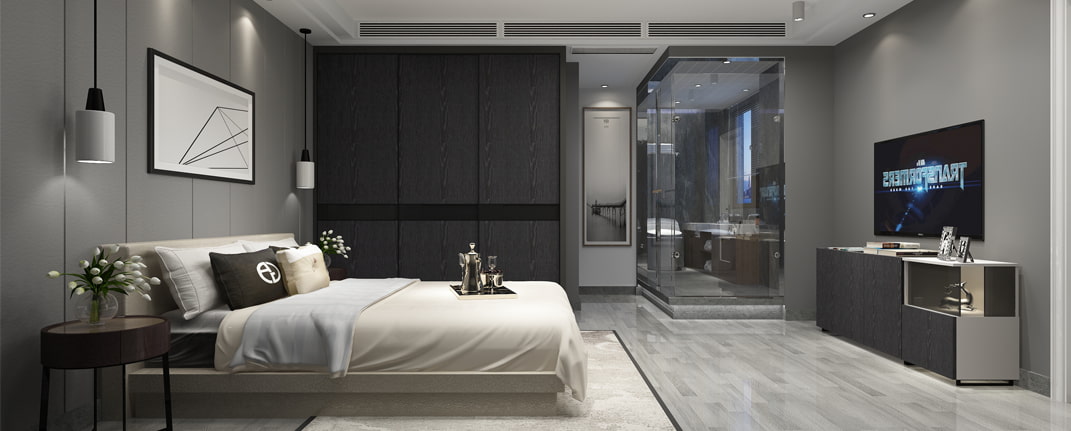
Users need storage that fits their routine, not the other way around. I focused this piece on practical steps to carve usable space from tight footprints, drawing on a recent job where I installed bespoke wardrobes in a 420 sq ft London flat and sourced tv stand manufacturer solutions locally. That real-world run taught me how standard cabinetry and AV rack design meet custom modular systems — and why having access to in stock tv stands matters when timelines are fixed.
User needs and constraints — a pragmatic starting point
Start by mapping daily flows: what you reach for every morning, where shoes gather, and how media equipment sits in the living area. Capture constraints as hard data: wall depth, door swing, HVAC vents, and load capacity for shelving. This user-centric audit avoids overbuilding and keeps costs predictable. Keep measurements and fixtures in a single file so changes scale across the project — version control matters even in interiors.
Design patterns: modularity, ergonomics, and finish choices
Design around modular units that stack or slide, so the wardrobe can evolve as needs change. Use proven modules: adjustable shelving, pull-out shoe trays, and dedicated spaces for AV components. Ergonomics belongs near the top of the spec list — shelf height, drawer depth, and reachable hanging lengths all produce faster, cleaner routines. Choose finishes that tolerate wear where traffic or cables concentrate; a durable lacquer on high-use cabinetry preserves looks and limits maintenance.
Implementation playbook — procurement, lead times, and staging
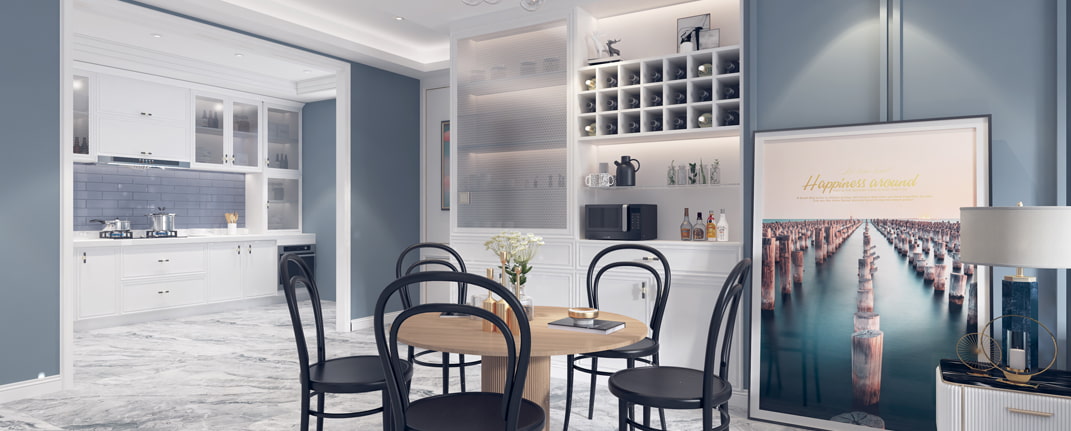
Procure long-lead items early and fill the gaps with in-stock components. For media zones, prioritize AV rack ventilation and cable access as part of the initial design rather than an afterthought. I sourced ready components from a Manchester supplier during that London flat project to keep the schedule on track — it saved two weeks. Plan delivery windows into the installation sequence so installers and electricians work in sync; otherwise you create idle time and reshuffling.
Operational production teardown
In the operational production teardown, the {main_keyword} maps to the physical module that ships first and anchors the room layout, while the {variation_keyword} covers on-the-shelf elements that fill gaps. Break the build into sprints: shell work (frames and power), fixed millwork, inserts (drawers, rails), and finish. Test-fit an AV rack and cable pass before final drywall or back panel installation — this small test reduces rework substantially.
Common mistakes and viable alternatives
Teams often specify deep fixed shelves assuming they’ll hold more — but deep shelves hide items and reduce visibility. The alternative is narrower shelving with vertical dividers or pull-out trays that make each item accessible. Another common error is treating media furniture like general storage; design cabinets with ventilation channels and discrete cable grommets for AV gear. If bespoke fabrication isn’t feasible, hybrid approaches using standardized frames with custom doors give the look without the full cost of custom shop time — and they scale for future moves.
Advisory: three golden rules for selection and success
1) Prioritize modules by daily frequency. Put the highest-use items in the most accessible units to reduce time spent searching. 2) Bond design to procurement windows. If a component isn’t in stock, plan a contingency or accept a temporary stand-in to prevent schedule drift. 3) Validate service access upfront. Ensure each media cabinet has a removable back panel, ventilation clearance, and a labelled power run so future upgrades don’t require demolition.
Summing up: design from use, lock procurement to schedule, and keep serviceability non-negotiable. That approach reduces surprises and delivers measurable time savings for daily routines. — Small choices in module specs and finish compound into a better long-term fit.