
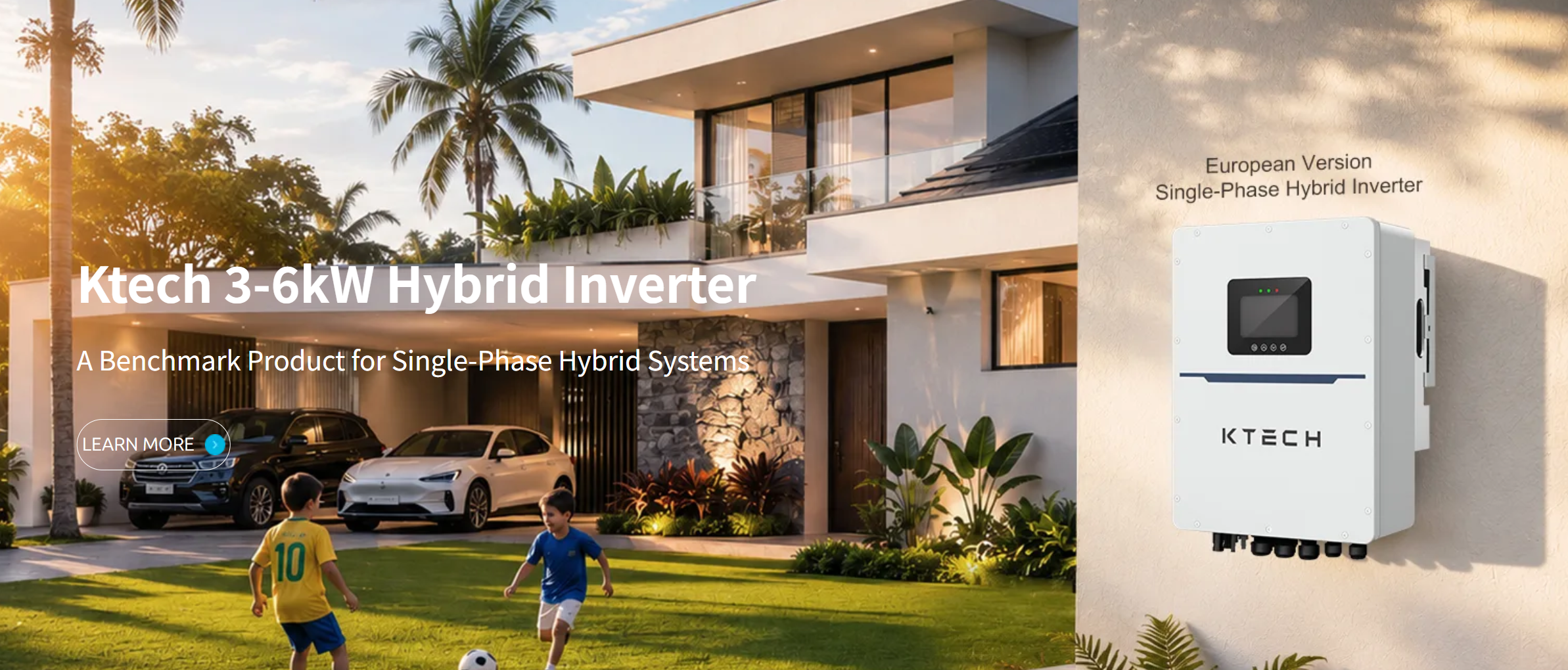
Problem statement: why manufacturer choice breaks projects
Choosing an inverter maker isn’t just about wattage; it’s about software, grid behavior, and long-term operability. I’ve seen projects stall because the inverter vendor couldn’t deliver telemetry, or their MPPT logic clashed with the building’s control stack. That’s why integration with a home energy management system and compatibility with intelligent energy management systems matter from day one. California’s high distributed energy resource penetration forces manufacturers to support advanced grid codes and DERMS hooks — skip that and deployments fail compliance or grid services revenue targets.
Core functions a serious inverter manufacturer must deliver
– Power conversion fidelity: efficient DC→AC conversion, low total harmonic distortion, and precise MPPT implementation for heterogeneous PV strings. – Grid interface and controls: anti-islanding, ramp rate control, reactive power/frequency response (Volt-VAR, Volt-Watt), and configurable ride-through profiles. – Firmware and communications: secure OTA updates, robust Modbus/FTPS/IEC-61850 stacks, and telemetry endpoints that expose native metrics, event logs, and alarms. – Safety and compliance: certifications (UL, IEC, IEEE-relevant test results), thermal management, and fail-safe behavior under fault conditions. – Lifecycle support: clear upgrade paths, spare parts availability, and engineering support for field tuning and commissioning.
Key components and architecture—what the manufacturer controls
– Power electronics: IGBTs/MOSFETs selection, cooling topology, and EMI filtering determine efficiency and reliability. – Control system: DSP/MCU choices plus control algorithms (MPPT variants, phase-locked loops) govern dynamic response. – Sensing and measurement: precision current shunts, voltage dividers, and isolation standards feed the control loop; telemetry quality follows sensor fidelity. – Communications layer: embedded RTOS + protocol stacks, cybersecurity posture (mutual auth, TLS), and API design for integration. – Mechanical and service design: serviceable power modules, connectors rated for field conditions, and accessible diagnostics for onsite or remote fault isolation.
Common deployment use cases and expected behavior
– Residential PV + storage: manufacturer must support battery charging algorithms, safe islanding, and bi-directional metering hooks. – Commercial rooftop and ESS: synchronous dispatch, demand charge optimization, and grid services participation require adaptive ramping and reserve scheduling. – Microgrid and off-grid: grid-forming capability, black start sequencing, and precise droop control are mandatory. – Utility-scale PV: string monitoring, plant-level aggregation, and rapid fault isolation at sub-second timescales.
Evaluation checklist — real metrics that separate vendors
– Latency and control loop bandwidth: millisecond-level telemetry and sub-cycle control matter for active grid services. – API stability and data model: published schemas, versioning, and adherence to SunSpec or IEC profiles reduce integration risk. – Field reliability data: MTBF figures, documented failure modes, and accessible spare-part lead times. – Firmware governance: signed releases, rollback procedures, and test harness documentation. – Support footprint: local engineering support, training materials, and a transparent RMA process.
Common pitfalls and how to avoid them
– Buying on headline efficiency alone: efficiency curves vary with irradiance and temperature; review real-world I-V/MPPT logs. – Assuming one-size-fits-all communications: confirm native support for the control protocols your site uses or budget for a certified gateway. – Ignoring grid-code evolution: require configurable ride-through and reactive power profiles; lockstep upgrades will be necessary. – Overlooking serviceability: if replacing a power module takes a day and requires proprietary tools, maintenance costs will balloon.
Concluding synthesis
Pick a manufacturer that treats power electronics as both hardware and software: precise MPPT, hardened communications, clear telemetry, and a roadmap for grid-code updates. My on-site work shows that early alignment on protocols and supportability prevents late-stage rework and keeps projects revenue-positive. For systems that must harmonize with advanced energy orchestration, trust the vendor that documents behavior, exposes clean APIs, and provides field-proven firmware management like the platforms integrated by Ktech.