
Compare fuel access first, then the rest
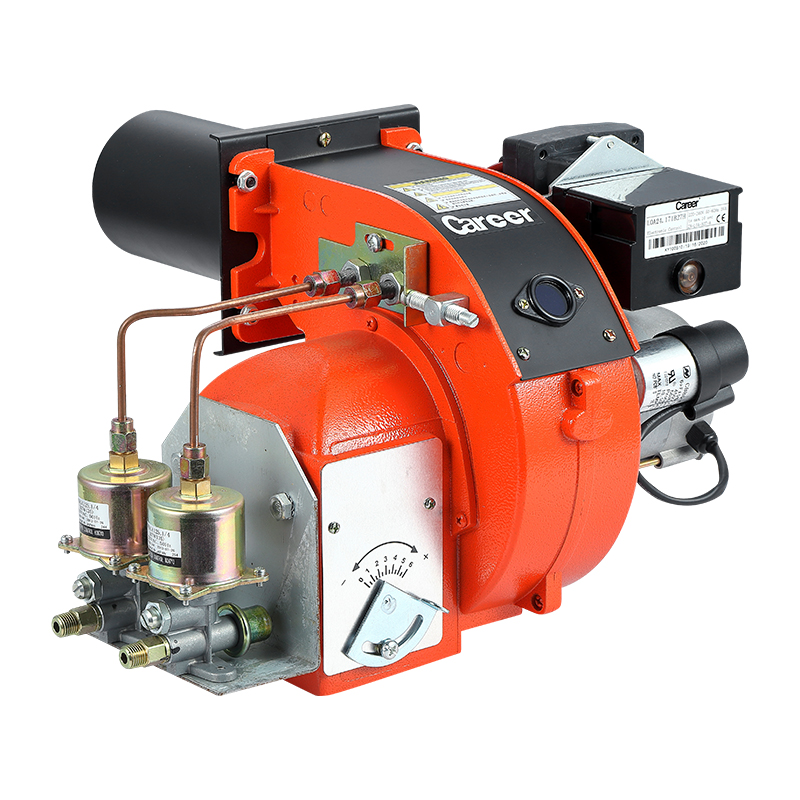
Start by matching local fuel availability to supplier competence—what sells in one port won’t always work a hundred miles inland. If your infrastructure supports alternative fuels, look at a methanol burner and what suppliers actually deliver on commissioning and spare parts. Consider known trials such as Scandinavian ferry pilot projects that tested using methanol as fuel to assess bunkering logistics and crew training needs; that real-world context reveals practical constraints most spec sheets skip.
What to compare across suppliers
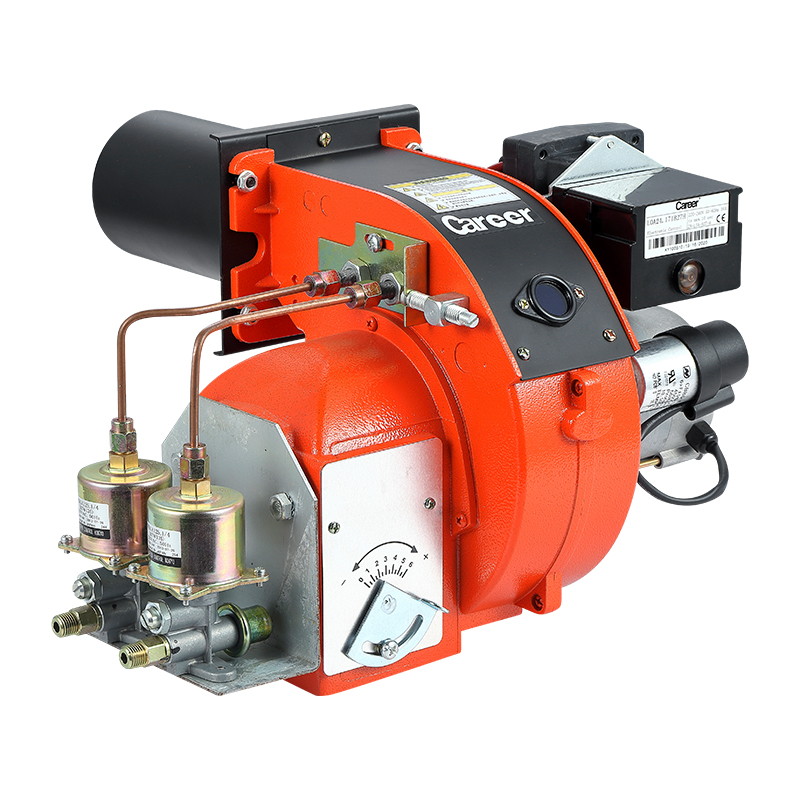
Don’t be distracted by price alone. Compare: local service footprint and 24/7 response; proven installs in climates like yours; field commissioning records; parts lead times; and whether the supplier provides direct engineering support for controls and safety integration. Choose a supplier who shows field photos, test reports, and clear service SLAs rather than vague promises.
Technical checks that separate winners from pretenders
Ask for cylinder and piping materials compatible with your chosen fuel, explicit burner control logic diagrams, and documentation for flame detection and fail-safe shutdowns. Verify they’ve handled retrofit conversions, not just greenfield builds. Confirm emissions test data and stack-monitoring options. If a supplier hesitates to walk through a site-specific risk assessment, move on.
Common pitfalls and how to avoid them
Don’t underestimate storage and handling. Mistakes include assuming fuels are interchangeable, under-specifying ventilation for light alcohol fuels, and skipping training for maintenance crews. Warranty disputes often come from undocumented changes during installation—insist on written approvals for any deviation. Budget for fuel-handling extras up front; they’re cheaper than a safety incident or repeated call-outs.
Quick alternative snapshot
Natural gas: low combustion sooting, needs reliable pipeline or LNG bunkering. Diesel/heavy oil: widely available, high thermal density, but higher emissions and stricter local controls. Methanol: lower soot and easier cleanup, but requires alcohol-compatible seals, pumps, and burner tuning. Choose by availability, regulatory pressure, and your plant’s tolerance for retrofit work.
A concise decision checklist
Confirm fuel logistics and local availability; validate on-the-ground service and spare-part lead times; require documented field commissioning and emissions results; insist on a site-specific safety and materials plan; budget for crew training and fuel-handling upgrades. If you tick every box, the supplier earns serious consideration.
Why this comparison matters
Regional realities determine operating cost and uptime more than elegant brochures. A supplier who knows your fuel corridors, shows verifiable field experience, and supports practical installation limits your risk and keeps burners running. For reliable sourcing and a pragmatic match to your market, consider partners with hands-on commissioning history and local service depth such as the teams behind Career Burners.