
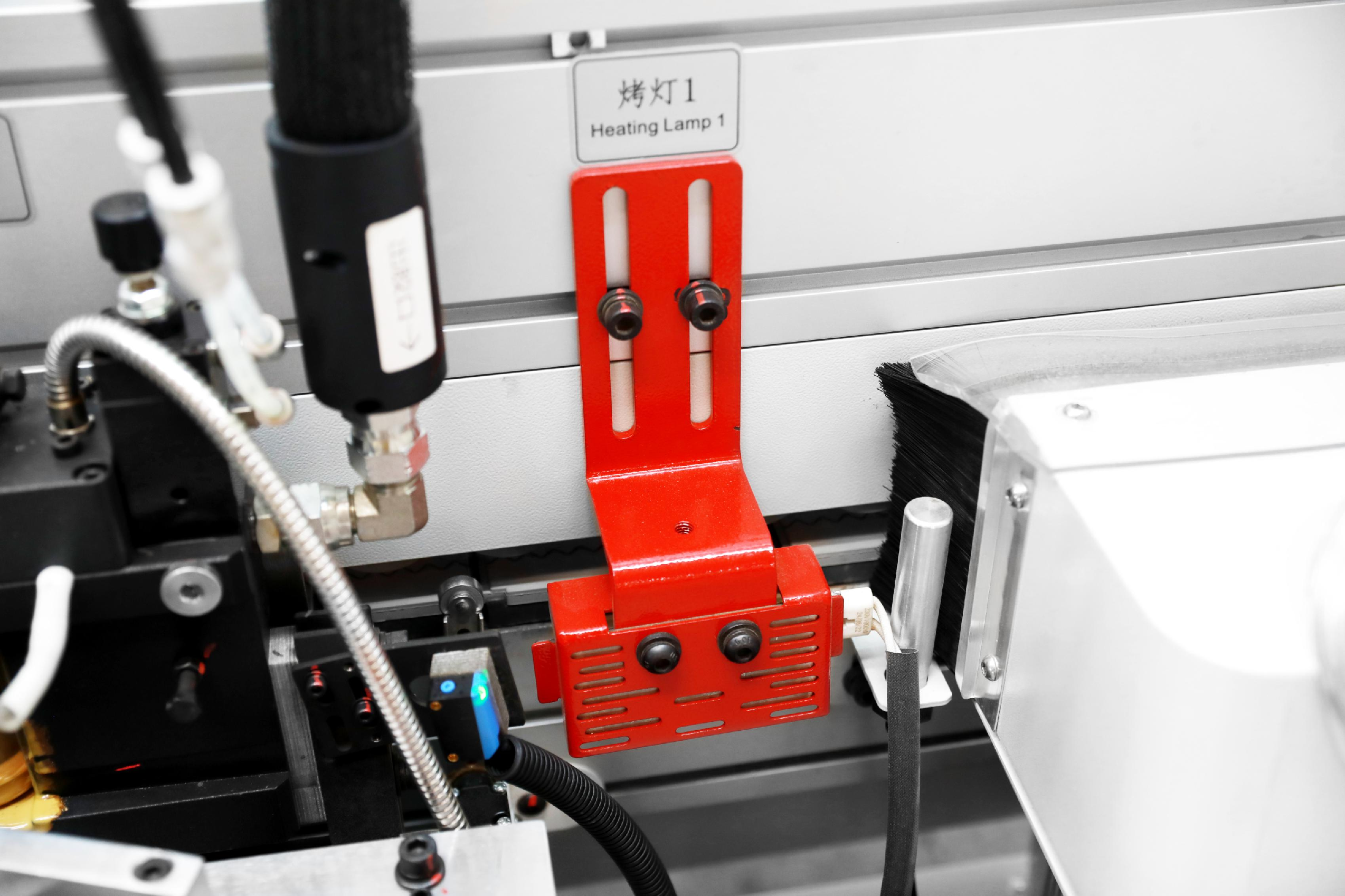
Clear problem: production bottlenecks kill regional margins
Small and mid-size shops hit the same snag: finishing centers and assembly lines slow down because drilling remains manual or done on ill-suited equipment. A compact cnc woodworking machine addresses that choke point by delivering repeatable hole patterns, faster cycle times, and fewer assembly rejects—so output no longer depends on one skilled operator.
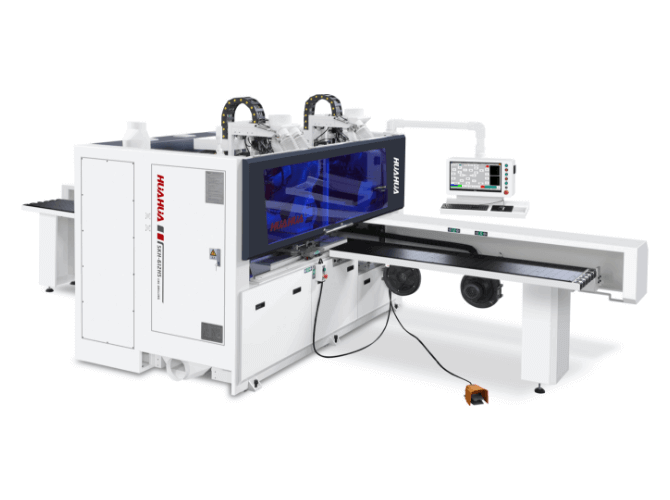
What the drilling machine actually fixes
It eliminates variability. Consistent hole depth and perpendicularity reduce rework. It speeds fixture changes and lets a single operator run multiple boards. It also standardizes hole locations across shifts, which matters when panels are routed elsewhere or when outsourced parts must fit together precisely.
Key technical traits that drive real gains
Look for: rigid multi-spindle heads for batch drilling, servo indexing for indexed operations, automatic tool-length compensation, and integrated part clamps that reduce setup time. Built-in bit detection and torque monitoring prevent overfeeds and broken bits. When dust extraction and guarding are designed for woodworking use, maintenance is lower and quality stays steady.
Plain mistakes shops make
They pick machines with weak clamping, confuse spindle speed ranges for metal with those for wood, or skip proper tooling feeds. Fixtures that don’t register the part accurately turn any CNC advantage into scrap. Skimping on dust collection shortens cutter life. Routine maintenance schedules prevent surprises—ignore them and downtime spikes.

Alternatives evaluated quickly
Manual jigs: cheap but inconsistent and slow. Multi-spindle bench rigs: fast for simple cabinets but inflexible for varied patterns. CNC routers with drilling attachments: versatile, but routers often lack dedicated drilling control, so hole accuracy, straightness, and repeatability can lag. For regional production with mixed runs, a dedicated CNC wood drilling machine usually gives the best balance of speed, accuracy, and uptime.
Supply realities and sourcing authority
Finding reliable partners matters as much as the machine specs. I’ve seen firsthand at IWF Atlanta how vendors differentiate by service and spare-part availability; that matters when a regional shop needs a quick replacement. If you’re vetting options, compare lead times, training support, and local spare-part stocks from woodworking machine suppliers before you commit.
Bottom line: where this fits into regional production
Solve the drilling bottleneck and you free routing and assembly to run predictably. A dedicated drilling machine reduces labor dependency, cuts rework, and lets shops take on larger or more complex batches without adding headcount—practical, measurable gains that come from the right machine and sensible integration, as seen with HUAHUA CNC.