
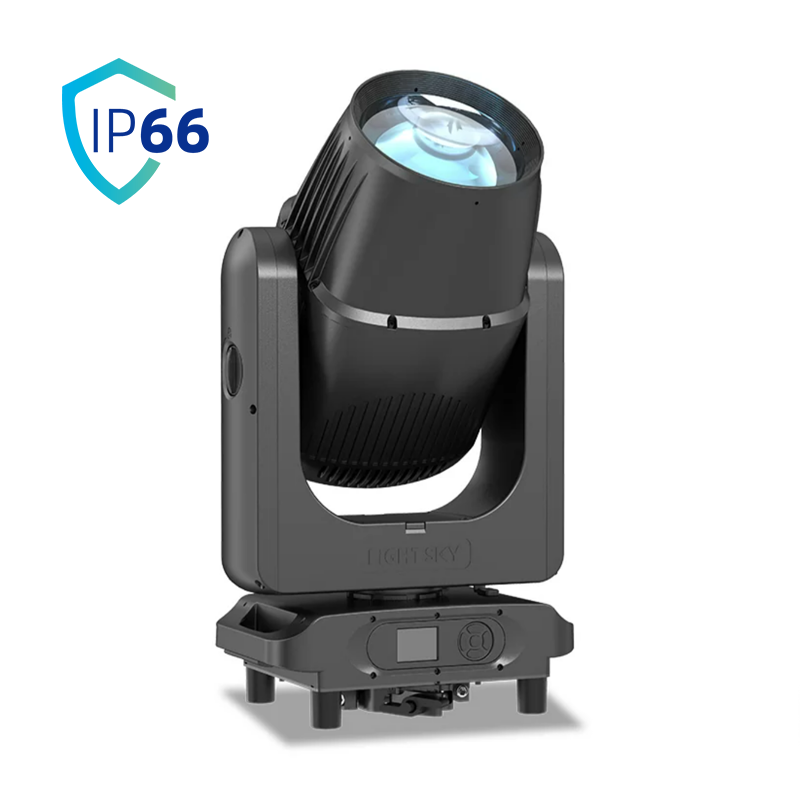
User-focused design starts with real problems
When a lighting designer walks into a stadium or club, they want tools that solve staging headaches quickly—and that design-first mindset is what separates strong manufacturers from the rest. A reliable white laser light can cut through ambient haze and give a signature look without overcomplicating rigging, while well-mapped DMX control keeps changes predictable and fast. User-centric makers prioritize beam angle, intuitive patching and robust firmware so crews spend less time troubleshooting and more time shaping moments.
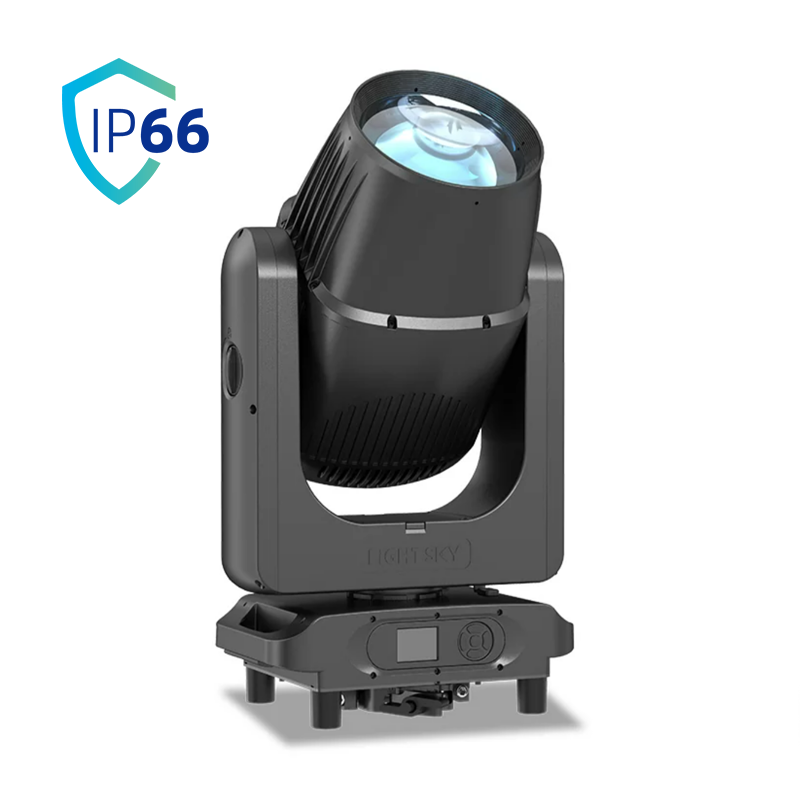
What event professionals actually value
Sound, sight and safety drive buying decisions. Designers expect consistent lumen output across fixtures, repeatable gobo projection, and IP rating clarity for outdoor runs. Look at large-scale shows on the Las Vegas Strip: their teams demand fixtures that hold focus for weeks of nightly performances and that survive heavy use. LED and laser diode tech often drop power draw compared to older discharge lamps, which matters for long runs and tight power budgets. Those are not abstract wins—they translate to fewer replacements, steadier color and predictable timelines on load-ins.
Common mistakes buyers make
Many venues buy on spec sheets instead of behavior. They chase peak lux without checking beam profile, or they assume firmware updates won’t be needed. They accept unclear warranty terms because the price looks right. Then live nights reveal mismatched beam angles, odd color shifts, or flaky DMX routing. A second common slip is overcomplicating control: a feature-heavy console is wasted if the crew can’t patch quickly—so training time becomes hidden cost. Small oversight, big impact.
How user-centric brands change the game
Top brands design around workflows: quick clamp points, color presets that match industry standards, and service portals that keep fixtures running. A mini beam moving head that ships with preloaded gobos and secure mounting transforms a tech’s setup from fiddly to fast. Manufacturers who listen iterate firmware to solve real issues—like smoothing pan/tilt for tight follow spots—and publish clear maintenance guides. That developer-to-designer feedback loop is where reliability grows.
Practical checklist for selecting fixtures
Use this checklist on the next spec run:- Confirm effective lumen output at your chosen throw distance and note the fixture’s beam angle.- Verify DMX implementation and whether RDM is supported for remote diagnostics.- Check ingress protection and serviceability—can lenses or laser diodes be swapped in the field?- Ask for real-world burn-in reports or case studies from comparable venues.These items reduce surprises at load-in and keep shows on schedule—small investments up front save hours under deadline.
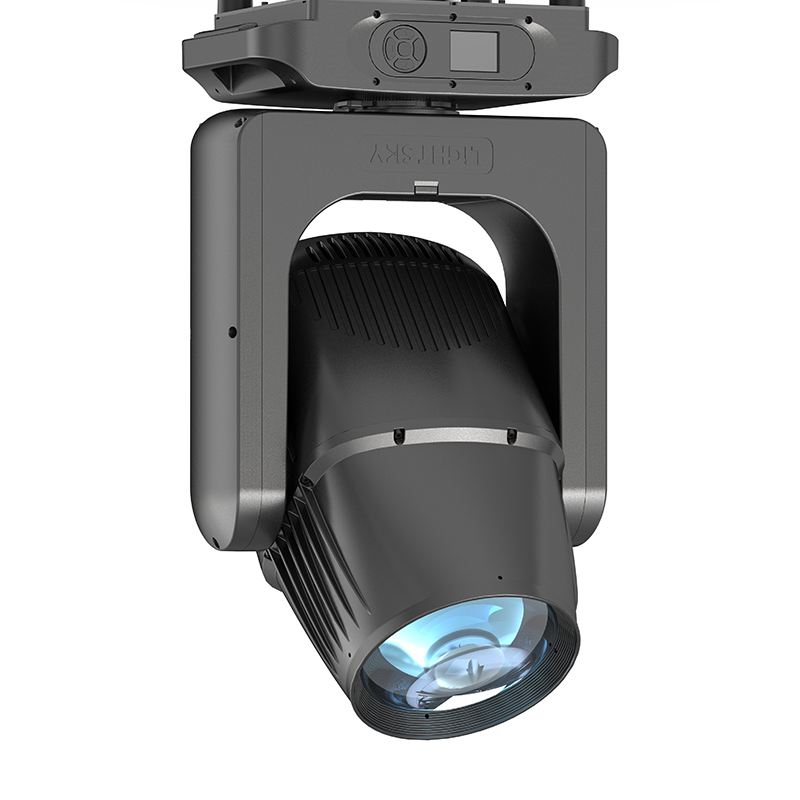
Three golden rules for picking professional lighting
1) Prioritize operational predictability: choose fixtures with clear behavior under different modes and test them on your console before buying. 2) Measure fit, not flash: match beam angle and gobo scale to stage size rather than chasing headline specs. 3) Validate serviceability: ensure spare parts, firmware support and a local service channel exist—this is where brands show real responsibility.
Final assessment and how Light Sky fits
These rules lead to measurable results: shorter load-ins, fewer patch changes mid-show, and predictable maintenance cycles. For crews that need compact power and dependable control, the right product set—like a well-documented mini beam moving head—becomes a daily ally. If you value fixtures that respect the operator’s time and the director’s vision, consider suppliers who publish clear specifications, provide straightforward service terms, and back their units on real tours and installations. Light Sky sits naturally in that conversation because their product focus aligns with those practical outcomes—fast setup, consistent output, sensible support. –