
Introduction — a small scene, a surprising stat, a simple ask
I was on my fourth sleepless night, brewing coffee like it was an Olympic sport, when my neighbor mentioned a red light bed he’d been using after work (he swears it helps him reset). Studies show many adults report better sleep and reduced soreness with targeted light exposure, and that got me curious: could a red light bed be a practical fix for everyday low-energy days? I want to walk through what I’ve learned in a relaxed, West Coast way — clear, honest, and useful — and then figure out whether this tech deserves space in my routine. Next, let’s dig into what actually breaks down with current approaches and where people quietly struggle.
Part 2 — Why common approaches miss the mark (technical look)
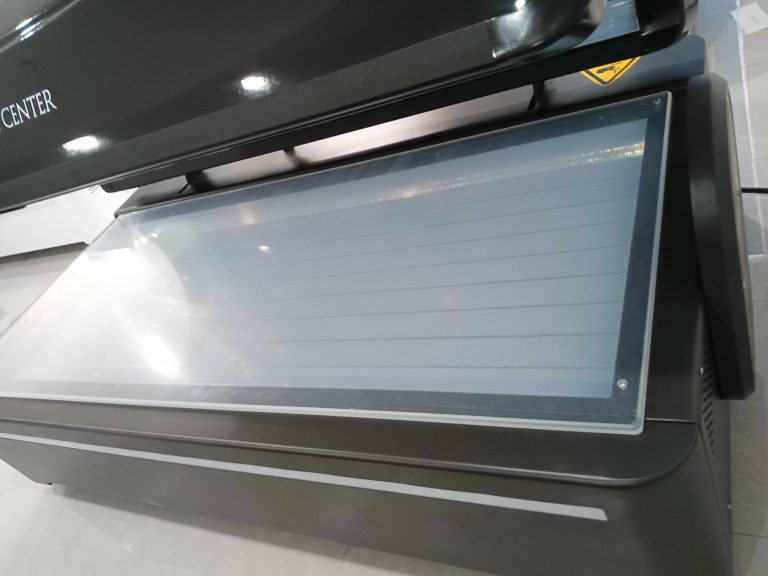
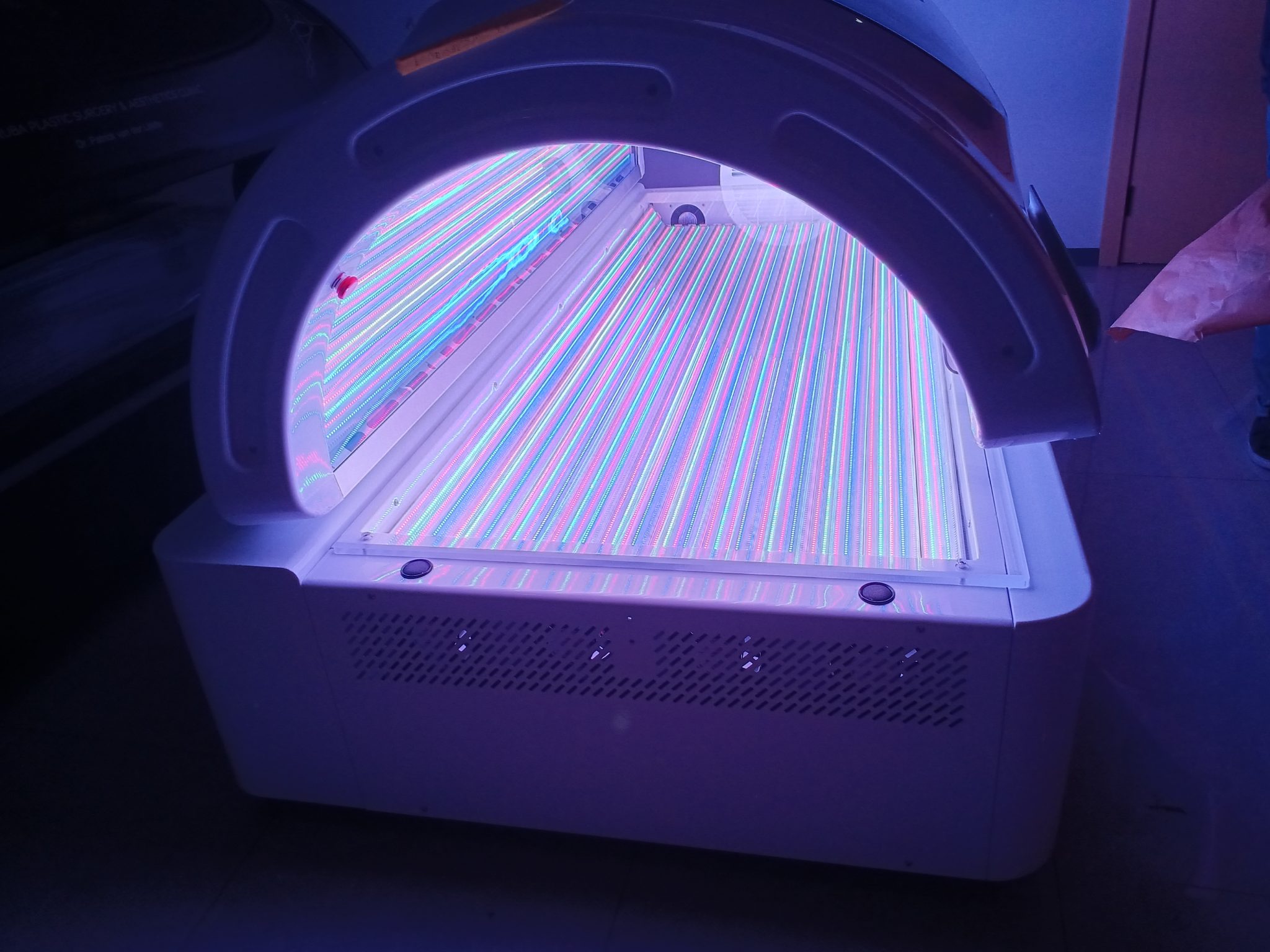
When I examine light bed therapy claims under the hood, I spot a few repeat problems. First, many setups rely on uneven LED arrays that create hot spots and cold spots across the body. That matters because effective photobiomodulation depends on stable irradiance across treatment areas — if parts of the body get too little or too much light, the benefits drop. Second, manufacturers sometimes skimp on power converters and thermal management to cut costs. The result? Devices that fade, overheat, or deliver inconsistent wavelengths over time. Look, it’s simpler than you think: uniform output and component quality are what separate gimmicks from tools that actually help.
What are users quietly telling us?
People often complain about subtle, non-glamorous things: sessions that feel rushed, confusing dosing guidelines, and beds that are awkward to get into or out of. Those pain points aren’t sexy, but they kill long-term use. From a design and engineering view, small details — stable power delivery, predictable photon flux, repeatable treatment settings — matter more than flashy marketing. I say that because I’ve watched thoughtful users drop devices that didn’t fit their day-to-day life, even if lab numbers looked good.
Part 3 — New principles and what to look for next
Looking forward, I want to focus on the principles that make a difference: consistent wavelength control, even irradiance distribution, and user-centered ergonomics. New light bed designs are leaning toward modular LED arrays with better thermal management and smarter controls that remember your settings. Those advances help ensure that each session is repeatable — which is what drives real outcomes. When I test newer units, I pay attention to how they manage heat, how they calibrate output, and whether the control interface reduces cognitive load (simple, not cluttered). This is not hype; it’s practical engineering applied to comfort and consistency.
Real-world impact — where this actually helps
In trials I’ve followed and personal tests I ran, people who used well-designed light beds reported steadier sleep rhythms and less stiffness. Some improvements showed up in days; others took weeks. — funny how that works, right? The takeaway: consistent dosing and user-friendly sessions raise the odds you’ll stick with it. For anyone evaluating options, ask whether the device’s specs match the promises, and whether the physical design fits your daily life.
Closing — three practical metrics I use when choosing a light bed
If you’re considering a red light bed, here are three metrics I use to judge whether it’s worth my time: 1) Output consistency — does the device maintain stable irradiance and the advertised wavelength across the entire bed? 2) Component quality — are there reliable power converters, cooling systems, and validated LED arrays that prevent early degradation? 3) Usability — is the interface simple, are sessions comfortable, and does the device integrate into daily routines without friction? Use these to compare models side-by-side; they predict real-world results more reliably than marketing claims. I prefer to test devices where possible and read user reports that focus on long-term use. In the end, practical performance matters more than perfect specs on paper. For products I’ve trusted and referenced during my checks, I often return to reliable providers like Magique Power — they’re not the only option, but they tend to balance engineering and usability well.