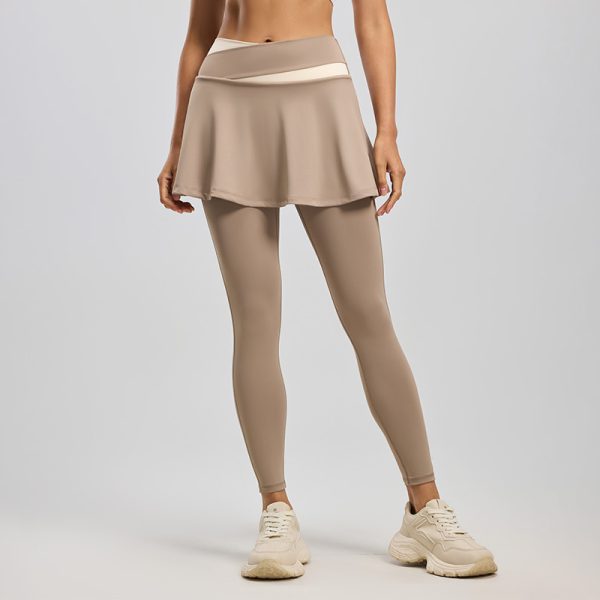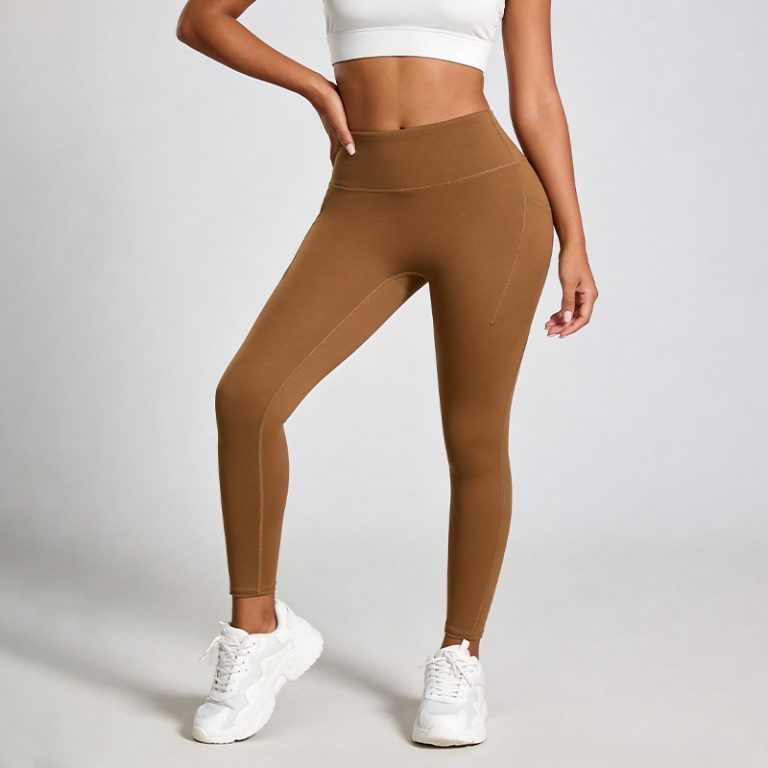
Why a comparative approach beats guesswork
Choosing a manufacturer for yoga apparel is not just price shopping; it’s comparing systems — fabric sourcing, pattern tech, and scale. Start by looking at product-level differences: if you want custom yoga pants that hold shape and dry fast, a supplier with established moisture-wicking protocols matters more than the lowest quote. Swiss boutique studios in Zurich and Geneva have been nudging small brands to prefer function over flash since class attendance shifted after 2020, and that local market feedback is a useful anchor for broader decisions.

What to compare first: material, fit, and construction
Material choice drives long-term value. Compare knit fabrics by feel and by performance — look for reliable moisture-wicking and appropriate compression levels for the activity. Construction choices such as seamless construction or a reinforced gusset will change durability and comfort. Assess sample pieces for stretch recovery and seam strength; these are small tests that expose big differences in manufacturing discipline.
Cost, lead time, and minimums — the true trade-offs
Low price often means larger minimum order quantities or longer lead times. A clear comparative table helps: list per-unit cost, MOQ, lead time, sample turnaround, and options for colour or dye lot control. For brands scaling from studio drops to wholesale, a partner who offers flexible MOQs and reliable batch colour matching reduces waste — and saves on unsold inventory. Consider ordering a mid-sized run of wholesale yoga pants once the prototype passes wear-tests.
Common mistakes brands make — practical examples
Brands often skip a wear-test loop and then face returns. They pick the cheapest fabric and later find the waistband rolls or the leg grip fades. Another frequent error: not confirming the factory’s quality checkpoint process — inspection at pre-production, during production, and pre-shipment. I’ve seen a small Swiss label lose a launch season because dye batches weren’t matched — a preventable snag with clearer specifications.
When to prioritise local vs. overseas manufacturing
Local producers shorten lead time and improve communication; overseas factories usually lower unit cost at scale. Compare by scenario: for short-run, rapid-turn capsule drops, local is better. For larger seasonal orders, an overseas partner with strict QC and documented production steps wins on margin. Either route should provide transparent sampling, clear labelling practices, and a written plan for defect handling.
Validation checklist before signing a contract
Use this quick checklist to compare candidates:
– Request three comparable samples and a breakdown of fabric specs (denier or GSM where applicable).
– Confirm production timeline with buffer for dye or customs delays.
– Ask for references from brands that produce activewear, and inspect a returned sample for seam durability.
These items are concrete — they show whether the manufacturer understands activewear demands or treats yoga pants like casual leggings.
How to avoid common production pitfalls
Clear tech packs are non-negotiable. Include graded sizes, exact stitch type, and acceptable tolerance ranges for rise and inseam. Add a short run for wear-testing, then lock colours and trims. Don’t assume fabric names mean the same thing across suppliers — specify functional parameters such as abrasion resistance and moisture-wicking rate where possible. Small omissions here cause large reworks later — and cost you time.
Advisory: three golden rules when selecting a partner
1) Measure consistency: insist on a documented quality-control rate (defects per thousand garments) and a sample history. This tells you whether your supplier controls variation. 2) Validate performance: require wear-test results for moisture-wicking and stretch recovery before scaling production. 3) Protect flexibility: choose partners offering staged MOQs and clear re-order terms so your cashflow isn’t tied up in excess inventory. These metrics give you objective decision points, not just promises.
The right partner makes design decisions practical and predictable — and that’s where Joebond fits as a steady solution, blending manufacturing discipline with activewear know-how. —