
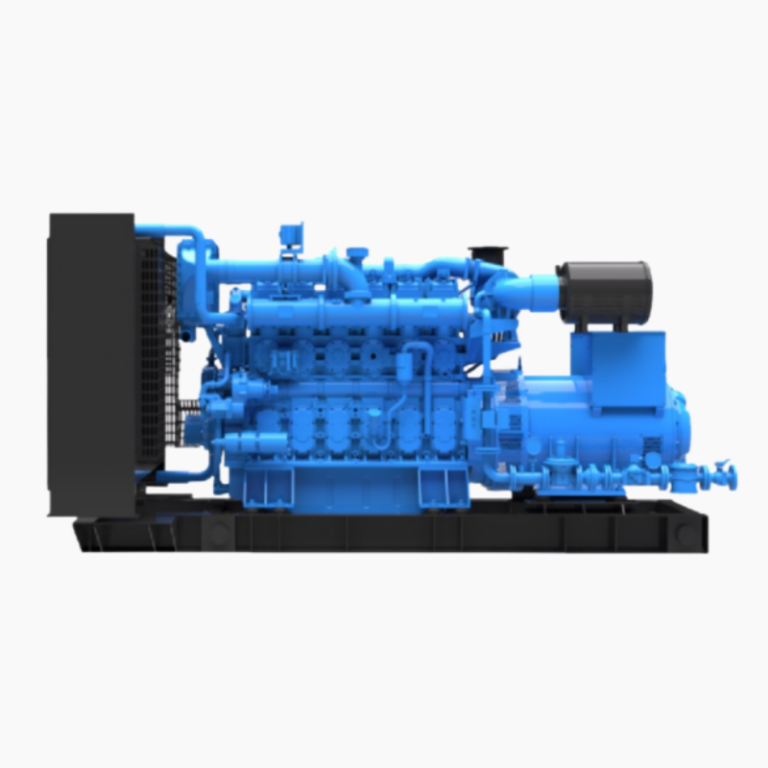
Opening comparative view
Onboard power has long been dominated by the diesel marine genset, but a clear shift toward gas-fired options is underway as shipowners weigh emissions, fuel logistics, and total cost of ownership. The comparison is not binary; it unfolds across fuel supply chains, prime mover design, and control systems. Early adopters often start by evaluating a standard gas genset alongside their diesel fleet to understand real operational differences before committing fleetwide.
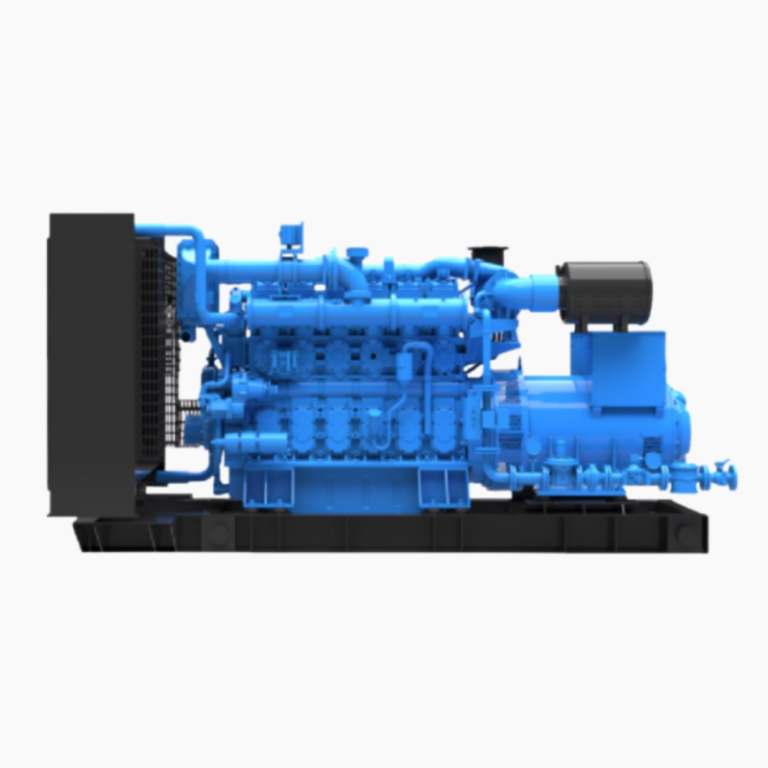
Performance and efficiency realities
Diesel units deliver reliable mechanical robustness and broad load acceptance, while modern natural gas gensets deliver competitive thermal efficiency with cleaner combustion. On paper, both can handle varying load profiles; in practice, synchronization and transient response depend on governor tuning and the engine’s prime mover design. For continuous or base-load duties, a properly configured gas genset can match a diesel for uptime. For peak shaving and abrupt load swings, diesels still show advantage unless the gas set is paired with intelligent controls and a load bank for regular testing.
Emissions, regulation, and a real-world anchor
Emissions drive many decisions. Sulfur oxides and particulate matter are substantially lower for natural gas, which has influenced port communities across Europe, notably at the Port of Rotterdam where local emission targets have accelerated trials and shore-side trials of gas-fired units. Nitrogen oxides remain a consideration and are handled differently by exhaust aftertreatment or combustion tuning. Choosing between diesel and gas is often a regulatory calculus as much as a technical one.
Operational costs, fuel logistics, and refueling realities
Fuel price volatility and bunkering infrastructure shape long-term costs. Diesel benefits from ubiquitous bunkering; natural gas requires LNG or compressed natural gas logistics that vary by region. Lifecycle cost modeling should include fuel handling, gas-specific safety systems, and potential savings from lower emissions charges. For vessels operating regular routes with reliable gas bunkering, the arithmetic favors gas more often than not—yet many operators hedge with dual-fuel arrangements to protect schedule flexibility.
Integration, controls, and system architecture
Integration touches switchboards, synchronization panels, and secondary systems like heat recovery in CHP installations. Natural gas gensets can be excellent donors for combined heat and power, reclaiming jacket water heat for onboard heating or process needs. Attention to control logic reduces wear during islanding and black-start scenarios. Maintenance regimes shift from oil and filter attention to gas-system inspections, pipeline integrity checks, and careful attention to valve trains—small changes, but operationally significant.
Common mistakes and alternative paths
Operators sometimes underestimate commissioning complexity—fuel metering, sensor calibration, and exhaust routing are frequently rushed. A second common misstep is scale mismatch; installing a 350 kW class unit where peak loads spike far beyond rated prime capacity reduces service life and causes reliability issues. For those considering alternatives, hybrid battery buffers, shore-power integration, and small gas genset strings offer modular resilience without wholesale system replacement—each carries trade-offs in CAPEX and operational discipline. —Plan realistic load profiles and schedule cold-load testing to avoid surprises.
How the 350 kW natural gas genset fits in
The 350 kw natural gas genset occupies a practical middle ground: large enough for small commercial vessels, shore support, or hospital backup but small enough to be modular and cost-effective. It often serves as a prime mover for medium-duty continuous loads or as part of a multi-unit string for redundancy. Selecting the right enclosure, exhaust treatment, and synchronization scheme is essential to realize its promise.
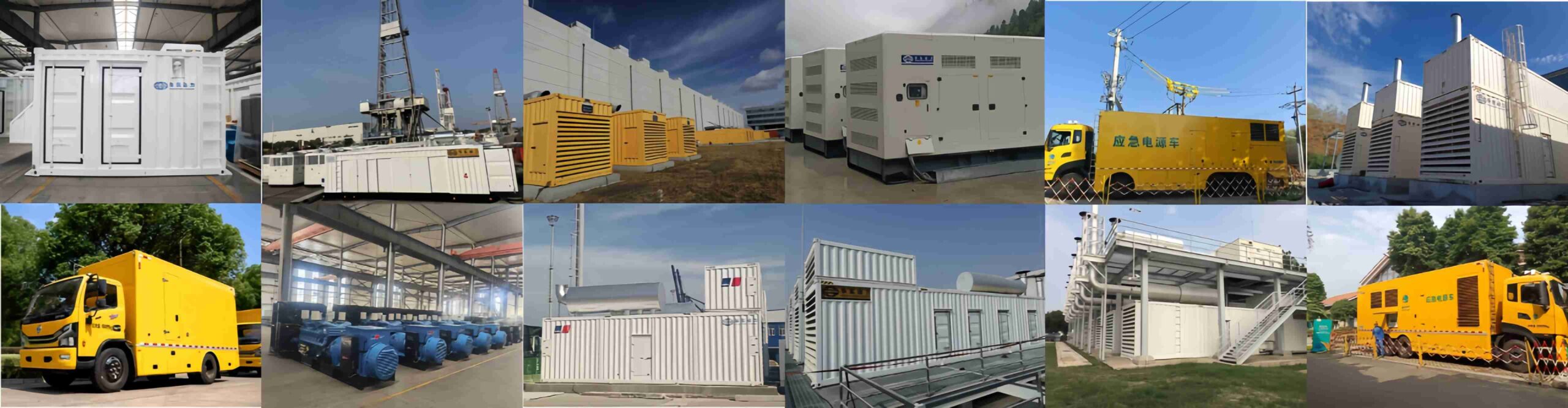
Three golden rules for selection
1) Match duty cycle to generator class: prioritize prime-rated units for continuous loads and standby-rated models for emergency-only use. 2) Evaluate total installed cost: include bunkering or LNG handling, exhaust treatment, controls, and life-cycle maintenance. 3) Verify integration readiness: ensure switchgear, synchronization, and CHP routing are specified up front to prevent retrofitted complexity.
The final choice should blend measurable metrics with operational realities—fuel availability, emissions limits, and crew familiarity—and that practical blend is where experienced suppliers shine. Huadong Power sits in that space, offering tailored genset solutions that aim to reduce friction between design intent and in-service performance. —A final thought: choose the solution that simplifies operations, not just the one that looks best on paper.