
Introduction
I was standing beside a conveyor belt when it stopped — mid-shift, no alarm that made sense. Around me, operators exchanged guesses: a loose sensor, a jam, or maybe a failing drive. The real culprit often hides deeper: the motor controller. Recent field reports suggest motor-related faults account for a sizeable share of unplanned downtime (some teams put it near one quarter). So how do we stop simple control faults from turning into hours of lost output?

We need a clear view of where controllers fail, and what fixes actually matter. I’m not here to sell optimism; I want to point out practical fixes that work on the factory floor. In short: better diagnostics, smarter control algorithms, and clearer human feedback. These are not rocket science — but they do require careful attention. Next, I’ll dig into why traditional approaches keep tripping us up and what pain points operators really feel.
Why traditional motor control still trips us up
ac motor speed controller designs that rely on simple V/f mapping or underpowered inverters look cheap on paper, but they often cost more in real life. I’ve seen systems where weak PWM implementation and lack of torque feedback make startup jerks, overheating, and drift routine. Vector control, feedback loop tuning, and robust power converters are not optional if you want steady torque and low energy loss. Look, it’s simpler than you think: poor control strategy plus limited thermal headroom equals frequent trips and unexpected maintenance.
Why do these flaws persist? First, legacy thinking: specifying the lowest-capacity controller that “meets the spec” still wins bids. Second, weak diagnostics — drives that simply fault without telling which parameter failed — force technicians into trial-and-error. Third, communication limits: if a drive can’t share its state over fieldbus or an edge computing node, predictive maintenance stalls. The result is reactive fixes, not planned improvements. I’ve watched teams replace motors when the controller was the real problem — frustrating, and preventable.
What hidden pains do users report?
Operators complain about opaque error codes, long reboot cycles, and inconsistent speed under load. Maintenance teams tell me they spend time chasing heat signatures rather than addressing control loops. Production leads lose rhythm because restarts require manual tuning. These are pain points that better controller design, clear telemetry, and simple HMI cues can remove — and they matter every shift.
Forward-looking view: practical upgrades and evaluation
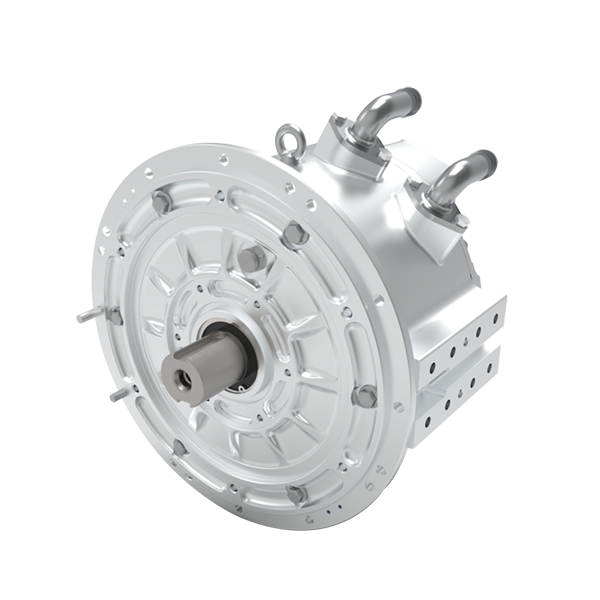
What’s next is about marrying better hardware with smarter software. In practice, I recommend looking for controllers that combine precise vector control with scalable communication. For example, an ac electric motor controller with built-in diagnostics, thermal modelling, and modular power stages reduces surprises. In one plant I worked with, swapping to a controller with these features cut restart time in half — and the team regained confidence. It wasn’t magic — it was clearer feedback and more predictable control.
New principles I watch for: embedded analytics that flag drift early, regenerative capability to return energy during braking, and open protocols so drives can feed into a central monitoring dashboard. These reduce waste and help maintenance move from reactive to planned. — funny how that works, right? And when teams can see trend lines instead of raw faults, decisions become less guesswork and more strategy.
What to measure when choosing an upgrade?
I’ll be blunt: pick tools that make your life easier. Here are three metrics I use when evaluating controllers — they work across industries and scales:
1) Diagnostic clarity: How precise are fault messages, and can they be logged remotely? 2) Control fidelity: Does the controller support vector control and tuned feedback loops for steady torque? 3) Integration ease: Will it connect to your PLC, MES, or edge computing nodes without months of rewriting? Measure these, and you’ll avoid buying “feature dust” that sounds good but adds no uptime.
We’ve learned that small changes to controller selection yield big operational gains — lower energy use, fewer stalls, and calmer shifts. If you want practical recommendations or a checklist for your next drive purchase, I can help. For reliable controllers and support, I often point teams to trusted suppliers — including Santroll — because real-world service matters as much as specs. Santroll