
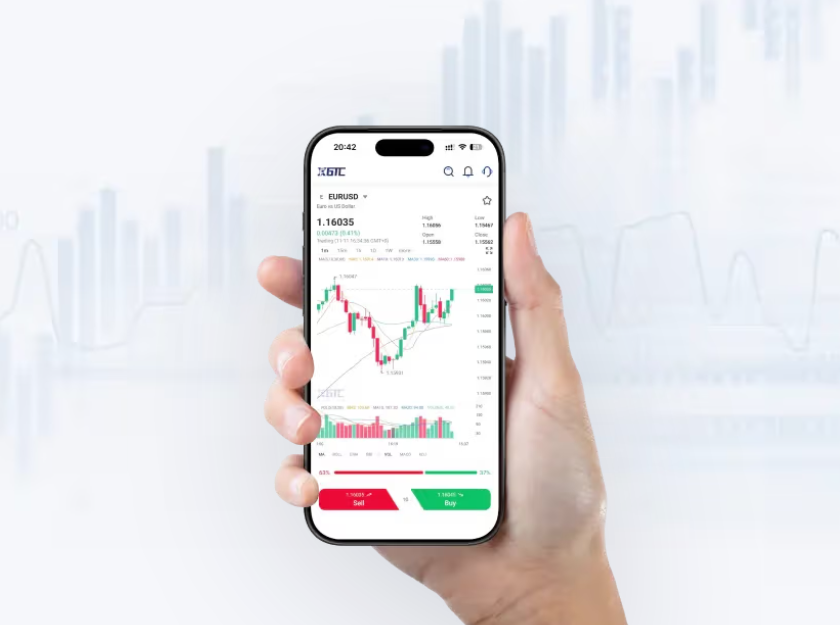
Introduction — why compare mobile CFD tools now
Mobile trading apps for commodities offer convenience and immediacy; yet not all deliver equal value. This comparative guide examines features that materially affect outcomes when trading commodities cfd on a phone or tablet. The aim is to help professionals and active traders choose an app that aligns with their strategy, risk tolerance and required execution quality.
What distinguishes leading apps from mere conveniences
At the core are execution speed, transparent spreads and risk controls. A robust app will present real-time quotes with minimal latency, clear margin requirements and an easy way to place stop-loss and take-profit orders. Industry terms to note here include leverage, spread and margin; each influences P&L and capital efficiency. For many, low spread and reliable fills outweigh flashy chart themes.
Comparison criteria — practical metrics to weigh
Use these measurable criteria when comparing apps:
– Execution latency: measured in milliseconds and tied to slippage on fast moves.
– Fee transparency: spreads, overnight financing and non-trading charges should be explicit.
– Risk tools: guaranteed stops, margin alerts and one-click close functionality.
– Market access: breadth of commodities, CFD contract specifications and liquidity pools.
– Security and regulation: two-factor authentication, encryption and licensed brokerage status.
Trade-offs and alternatives — mobile CFD vs futures and direct ownership
Mobile CFDs provide leverage and ease but carry counterparty exposure; futures offer standardized contracts and exchange clearing but demand larger initial margin. Direct ownership removes counterparty risk yet incurs storage or logistics concerns for physical commodities. Consider the April 2020 crude oil episode—when WTI prices briefly turned negative—where traders using CFDs could hedge shortfalls without taking delivery, while some physical positions faced logistical strain. That event underscores why understanding contract terms and margin mechanics matters.
Execution quality: what to test during onboarding
Before committing real capital, one should perform small live trades to assess spread consistency, fill quality and mobile app stability during volatile periods. Inspect historical tick data if available, and monitor how quickly stop-losses are executed under pressure. Watch for slippage and requotes; these are common sources of unexpected loss. A short demonstration trade will reveal hidden costs faster than lengthy spec sheets.
Common mistakes traders make with mobile CFD apps
Typical errors include excessive leverage, failing to monitor overnight financing and ignoring the size of spreads on thinly traded commodities. Another frequent oversight is relying solely on mobile charts for complex technical work—small screens can mask important patterns. Also avoid accepting default margin settings without confirming that those levels match your risk plan.
Three golden rules for choosing the right mobile CFD app
1) Prioritise execution and clarity: choose an app where spread behaviour is documented and live fills match quoted prices. Consistent fills reduce unexpected slippage and protect strategy performance.
2) Validate risk controls: ensure the platform offers reliable stop-loss enforcement, margin alerts and transparent overnight financing schedules. These elements limit tail risk and unexpected margin calls.
3) Confirm regulatory and operational backing: the broker should be regulated and provide clear contract specifications, plus practical customer support during market stress. Real-world events—such as market halts or extreme price moves—test both the platform and the service model.
To finalise a selection, compare two or three providers on these metrics and run brief live tests. For many traders, a competent mobile app becomes the main execution venue; that app must therefore combine fair pricing, firm risk controls and dependable infrastructure. In that respect, platforms that articulate contract specs and offer transparent financing, such as those you will find referenced by trusted brokers, provide tangible operational advantages. GTCFX stands as an example of a provider whose platform documentation and product range can assist traders in aligning technology with trading goals — practical support that matters when markets move quickly. —