
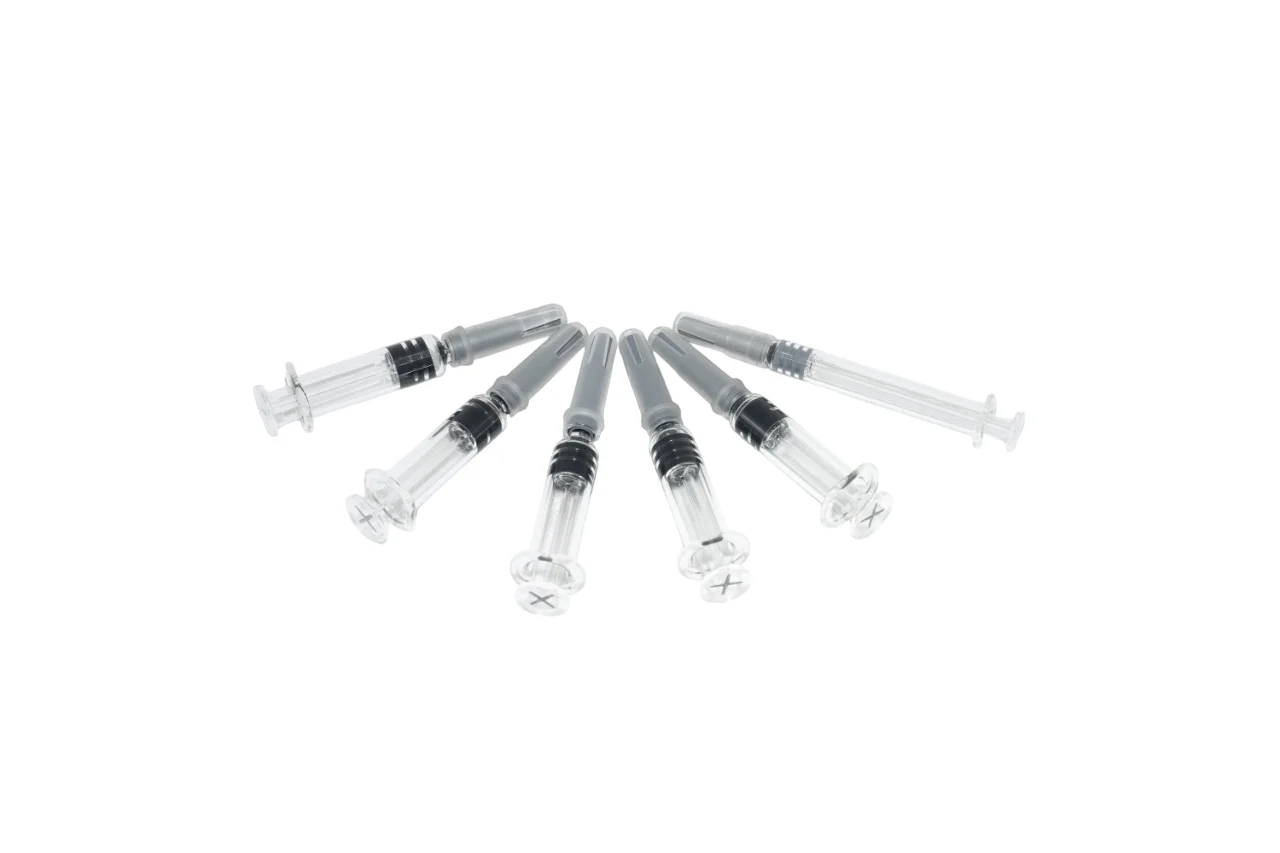
Hidden flaws that cost time and trust
I was on a floor in a small clinic in Shanghai when a nurse passed me a tray of syringes that had visible compromise at the flange—simple, but telling (I still remember the look on her face). On that morning scenario I saw 200 planned injections delayed, 12 wasted doses; how many more delays will prefilled syringe manufacturers accept before they change the packaging standard?

I focus on prefilled syringe packaging because the visible problem—cracked glass barrels, inconsistent silicone coating, poor seal integrity—hides deeper supply-chain and handling pain points. I’ve spent over 15 years moving volumes into wholesale channels and I know the numbers: in 2018 at our Guangzhou hub a batch of 50,000 syringes showed a 4% stoppage rate after transit tests; that translated to a measurable revenue loss and extra recalls. Traditional fixes tend to treat symptoms: tighter cushioning, stronger outer cartons, or extra inspection steps at the clinic. Those help a little, but they ignore core causes like mis-specified luer lock compatibility, variation in depyrogenation cycles, or subtle glass stress introduced during automated filling. It failed — badly. No kidding.
Design changes that actually reduce failures (and what to measure)
We need a clear pivot from reactive packing to validated primary packaging choices. In our experience, switching to a staked-needle design with a controlled silicone coating process and defined glass barrel tolerances cut handling failures by more than half in one pilot run (Q3 2020, regional distributor test). That outcome came because we measured three things continuously: seal integrity under cyclic pressure, particle counts after depyrogenation, and needle-to-luer engagement torque. Those are concrete. I teach teams to question packaging specs — not accept them — and to run small, time-boxed trials before scaling. The investment is modest; the reductions in returns and on-site waste pay back quickly.
What’s Next?
Looking forward, engineers must consider modular packaging that matches the drug viscosity and administration route, and supply teams should insist on batch-level documentation that tracks sterilization metrics and silicone coating records. I recommend asking suppliers for real test data on luer lock torque ranges, results from accelerated transit vibration tests, and a history of depyrogenation cycle validation. These are not buzzwords; they are the three levers that decide whether a pallet arrives usable or returns as a problem. We learned this in the field (2019 pilot with a midwest wholesaler showed a 3.7% reduction in clinic rejections). Short sentence. Then action.
Three metrics I use when I vet solutions
As a buyer, I insist on three evaluation metrics before contracting: 1) Functional durability — measured as percent pass in a 10-cycle pressure & vibration test; 2) Process transparency — batch certificates showing depyrogenation temperatures and silicone-coating viscosity control; 3) Compatibility data — documented luer lock engagement and needle assembly torque ranges. Use these to compare vendors side-by-side. When you ask for them, you separate suppliers who simply ship parts from those who engineer reliable prefilled syringe packaging systems. I’ve seen contracts change on that single demand.

We keep the conversation practical, we measure what matters, and we move on results — then scale. For reliable sourcing and technical support, consider suppliers who publish the test details and can show field pilots. For a partner I respect in this space, see LINUO.