
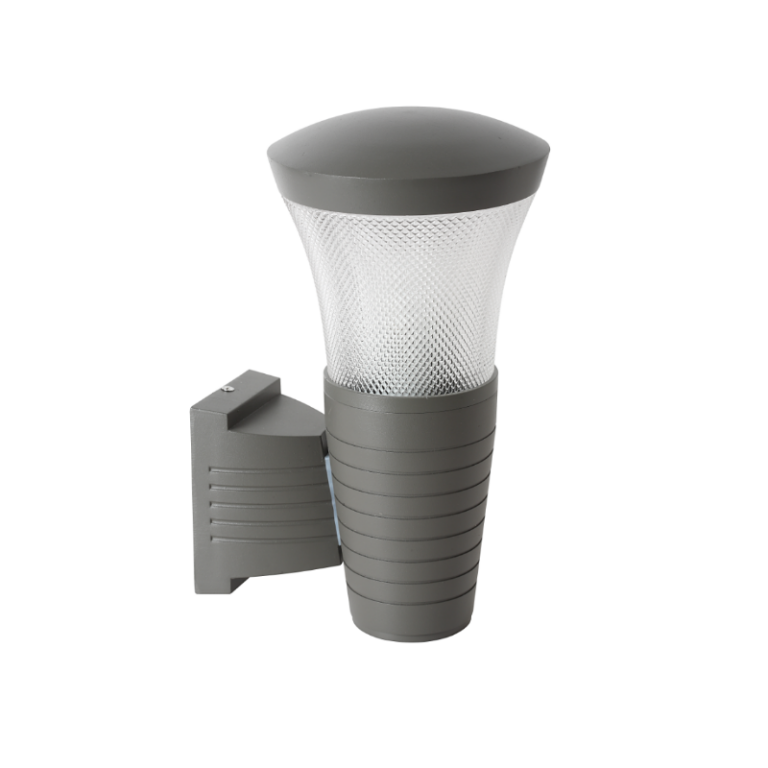
Why a comparative approach matters
Selecting the right housing for an outdoor wall lamp is a risk-reward calculation: you balance upfront materials and manufacturing cost against long-term reliability, maintenance, and warranty exposure. An analytical comparison—material by material, finish by finish, thermal-path by thermal-path—reveals where hidden costs hide and where real value accrues. In practice this means evaluating IP ratings, corrosion resistance, and thermal dissipation performance together rather than in isolation to avoid early LED degradation or sensor failures.
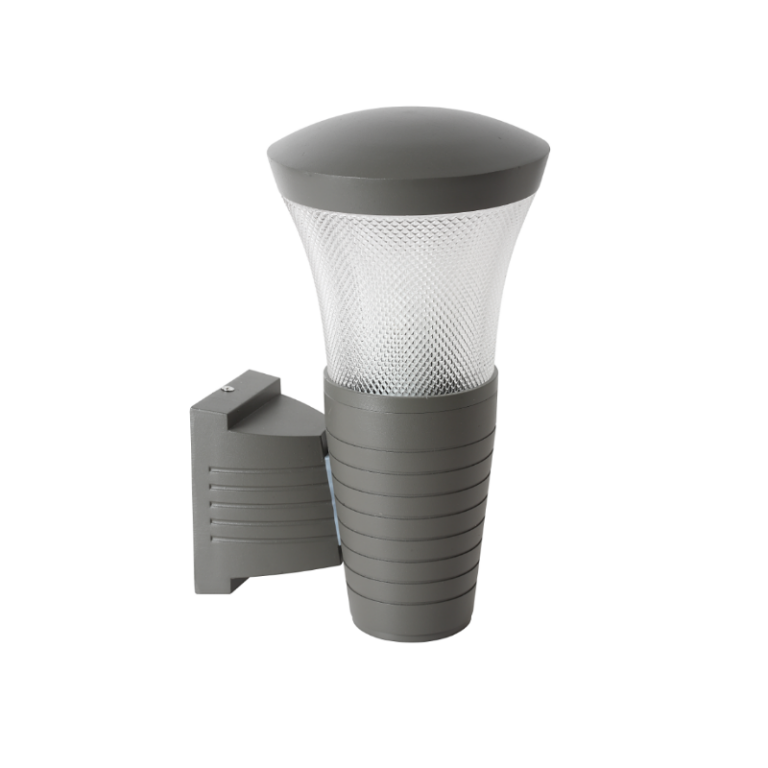
Key evaluation criteria
Compare candidates across four pragmatic axes: material substrate, protective finish, sealing and ingress protection, and thermal management strategy. Use measurable benchmarks: IP66/IP67 for dust and water ingress; ASTM B117 salt-spray results for corrosion; junction temperature limits and measured thermal resistance (°C/W) for LEDs; and verified lifecycle cycles for motion sensors. These metrics convert vague claims into comparable data points and let procurement teams score suppliers objectively.
Material and coating comparisons
Die-cast aluminum housings with quality powder coating are common because they provide a good thermal path and lower cost. However, in coastal or industrial environments, 316 stainless steel or bronze offer superior corrosion resistance when paired with proper passivation. Polycarbonate or ABS poly housings resist impact but struggle as heat sinks—so designers compensate with larger thermal paths or remote drivers. Coating choice matters: anodizing, powder coating, and epoxy finishes perform differently under ASTM B117 salt-spray exposure; choose coatings rated for the environment you expect.
Thermal dissipation strategies compared
Thermal management isn’t just about fins. Effective designs use an integrated heat sink path from LED module to housing, thermal pads or gap-filling compounds, and driver placement to minimize junction temperature. A compact die-cast body can act as a heat sink if you ensure low thermal resistance between the LED board and housing. Conversely, polymer bodies require larger surface area or external heat paths. Evaluate thermal resistance, junction temperature under the expected ambient, and lumen depreciation (LM-80 data when available) to predict lumen maintenance over time.
Sensors, sealing, and interaction effects
The motion sensor itself is sensitive to both temperature and condensation. Poor sealing or inadequate venting can lead to fogging on PIR lenses, false triggers, or corrosion of sensor electronics. Use housings with GORE-TEX vents or breather membranes that equalize pressure without admitting salt-laden moisture. Also consider sensor placement relative to heat sources—hot drivers beneath a PIR mount will skew detection. For units marketed as motion sensor outdoor wall light, verify that the sensor subassembly has independent ingress protection and specified operating temperature ranges.
Real-world anchor: coastal installations and testing standards
Coastal deployments—think Atlantic-exposed projects in Miami or Pacific installations in San Diego—are useful benchmarks because salt spray accelerates corrosion. Manufacturers often reference ASTM B117 salt-spray testing; many target 1,000-hour resistance for coastal-grade finishes. Combine that with IP66/IP67 ratings and stainless fasteners (typically 316) to reduce galvanic and crevice corrosion in such environments. These standards are not perfect predictors of field life, but they provide an accepted, repeatable basis for comparison between suppliers.
Common mistakes and how to avoid them
Teams frequently underrate galvanic corrosion when dissimilar metals meet—stainless fasteners on an aluminum body with a zinc-plated bracket is a recipe for trouble. They also assume that an IP rating guarantees long-term seal integrity; in reality, seal compression, fastener torque, and gasket material aging dictate real-world performance. And thermal assumptions are often optimistic: driving LEDs at higher currents without verifying junction temps shortens life. Test with actual drivers and sensors on your production sample—don’t rely on mockups or vendor bench claims. —A short field trial in a representative environment will reveal most integration gaps.
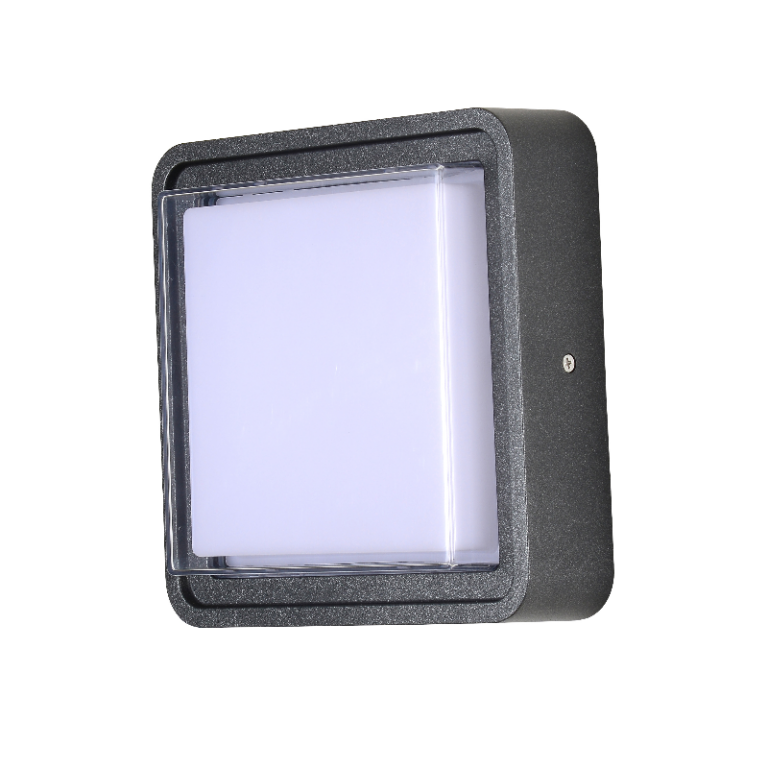
Three golden rules for selecting the right housing
1) Insist on performance data: require documented ASTM B117 hours, IP test reports, and thermal resistance figures for the specific model, not a family claim. 2) Match materials to environment: specify 316 fasteners and marine-grade finishes for coastal or corrosive industrial sites; accept polymer if the project is low-impact and inland. 3) Validate integration: run an assembly-level test with your actual LED driver and motion sensor to confirm junction temperature, detection reliability, and seal longevity before committing to tooling or a production run.
Proven, not promised.
For projects where corrosion resistance and thermal performance determine total cost of ownership, the engineering choices you make at the housing level should lead directly to the supplier capability—this is where Keyida consistently demonstrates measurable value.