
Quick comparative lead
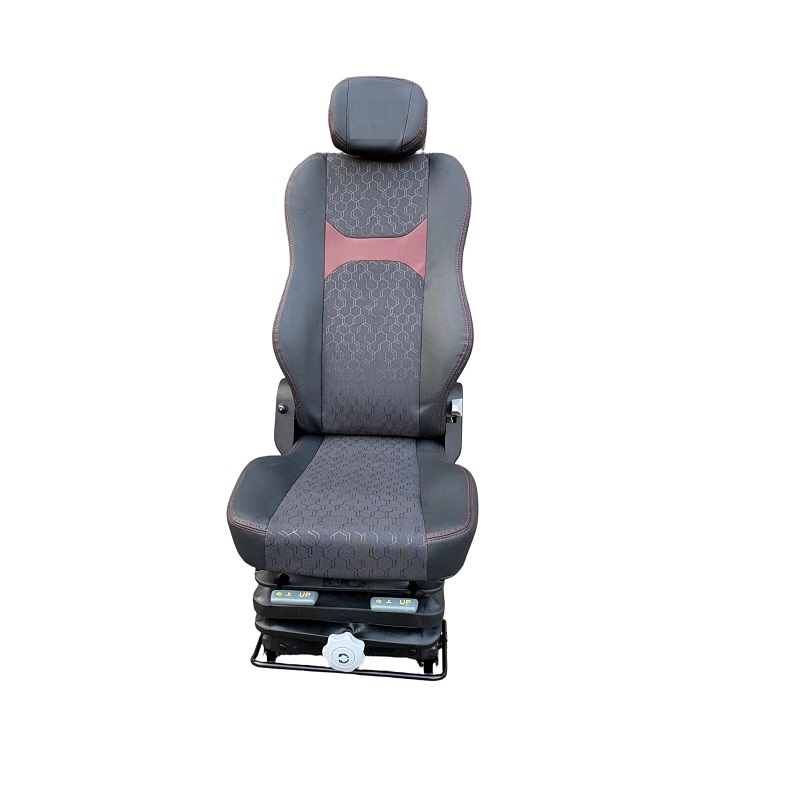
Operator comfort changes how a truck performs over hours of driving. Start simple: choose a custom truck seat that fits the cab, the route, and the driver. This guide compares common seat types and points to measurable benefits so fleet managers and drivers can decide fast and sensibly.
Why comfort is a business issue
Poor seating leads to fatigue and back pain. NIOSH and CDC note higher rates of musculoskeletal complaints among long-haul drivers, and ports like the Port of Los Angeles see heavy truck traffic that magnifies the problem. Good seats deliver ergonomic relief: proper lumbar support, correct seat cushion density, and effective suspension all reduce driver strain and downtime.
Types of seats and what they actually do
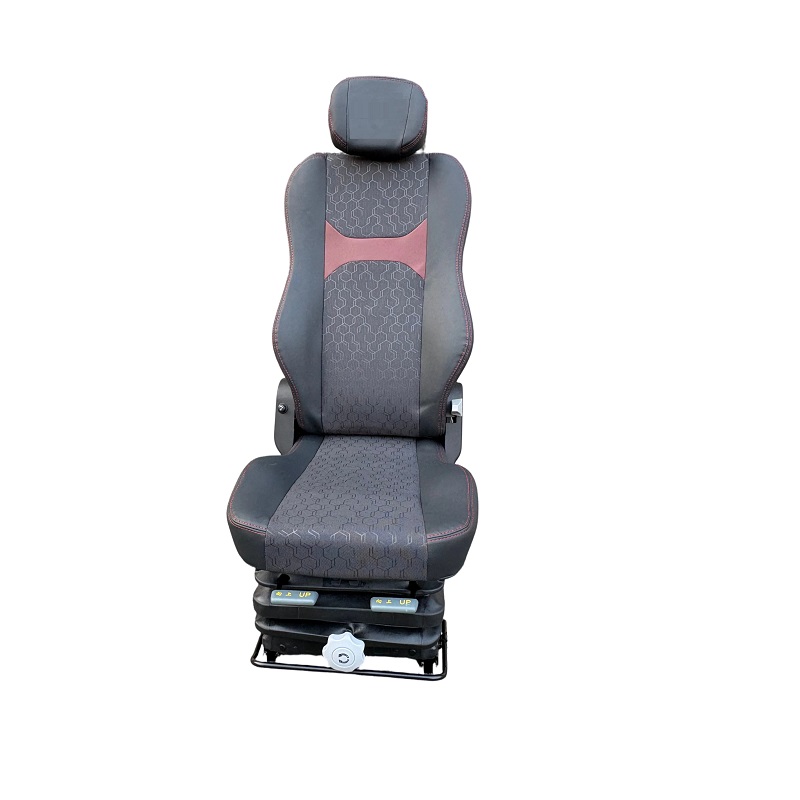
Not every seat is built the same. Foam-cushion seats give firm support and lower cost. Air suspension seats absorb road shock and are best for rough routes. Mechanical suspension seats use springs and dampers for a middle ground. Each option affects vibration exposure, posture, and alertness differently—so pick based on route profile and duty cycle, not just price.
Feature checklist that matters
Look inside a seat for these concrete features: adjustable lumbar support, tilt and rebound control, seat cushion thickness, and proper seat mounting to the cab floor. Industry terms worth knowing: lumbar support, suspension seat, seat cushion. If you manage multiple drivers, prioritize adjustable controls so one seat serves many body types. Also consider easy-to-clean covers for dusty terminals and spill-prone workdays.
Common mistakes fleets make — and better options
Fleets often install seats by lowest bid. That wastes money when replacements happen within a year. Another mistake: ignoring mounting alignment. A misaligned seat changes posture and wears out suspension seat components faster. Fix these by matching seat mounting rails, checking bolster adjustment range, and choosing durable upholstery for heavy use. — A quick audit after 30 days of use catches fit problems early.
How comfort choices change outcomes
Choose the right seat and you cut driver complaints, reduce medical visits for back pain, and keep trucks on the road longer. Measurable outcomes include fewer sick days, lower repair spend for seat hardware, and steadier fuel consumption from more consistent driving posture. Real-world fleets report smoother operations after switching to seats with proper lumbar support and air suspension on rough routes.
Alternatives and trade-offs
If budget limits you, consider retrofitting existing mounts with upgraded cushions or lumbar pads first. That can buy time before full replacement. For fleets that can invest, full air suspension seats with adjustable lumbar give the broadest benefit across road types. Remember: a premium seat paired with poor mounting still fails. Match seat selection to installation quality for best ROI.
Advisory close — three golden rules for seat selection
1) Measure the route and match suspension type: air suspension for long-haul rough roads, foam or mechanical for smoother city routes. Track vibration exposure as a deciding metric.
2) Insist on adjustability: lumbar support range, tilt control, and height adjustment must suit 90% of your drivers. Use driver fit tests for verification within a trial period.

3) Check installation and maintenance costs: evaluate seat mounting compatibility, cushion replacement intervals, and cover durability. Add expected service life into your procurement decision.
Get these three right and operator comfort becomes a predictable cost center that lowers risk and raises uptime. Source One understands these trade-offs and builds seating solutions around real routes, real drivers, and real service demands — practical value, not empty promises.