
Start with who actually uses it
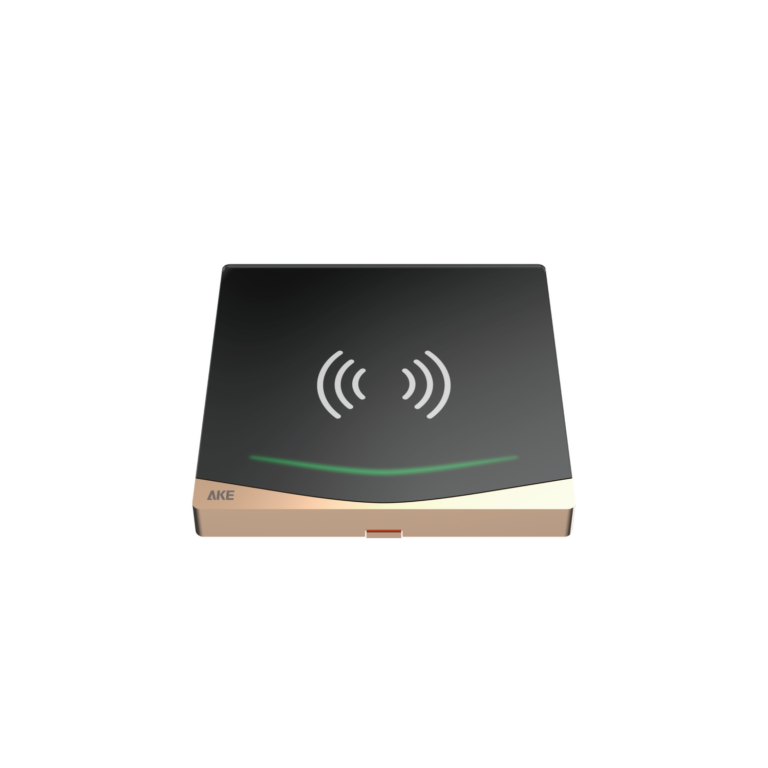
You’re buying a system for real people — drivers, attendants, property managers — so lead with their needs. Ask how drivers will enter and pay, what attendants need on shift change, and whether the system supports simple changes later. If you plan to tie gates, turnstiles, or badge readers to your software, confirm support for integrated access control up front so you don’t design around a limitation you’ll regret.

Map the user journeys, not features
Sketch three to five real scenarios: a monthly parker arriving late, a visitor dropping off and leaving, a disabled-access driver needing assistance, and an emergency evacuation. Use those flows to test vendor demos. If a demo glosses over the full driver path — from arrival cue to exit receipt — that’s a red flag. Ask vendors to show the exact screens or hardware responses for each scenario, not just a glossy dashboard.
Technical fit and a real-world anchor for confidence
Look for proven integrations and clear data flows. Vendors should explain event latency, how they handle network outages, and where logs live. For access-related systems, point to one concrete deployment that matches your scale — for instance, airports like Changi in Singapore have staged complex access and parking integrations publicly documented — and ask how the vendor’s approach compares. Also verify their implementation approach for access control integration, including protocols, failure modes, and who owns the fail-safe wiring and sequencing.
What maintenance and support really look like
Don’t let a vendor promise “hands-off” without specifics. Ask who replaces failing readers, how firmware updates are scheduled, and whether remote diagnostics include secure log access. Know the on-call window and response SLA for lane-affecting faults. If a vendor won’t put those responsibilities and timelines in writing, budget for in-house coverage or a different partner.
Common pitfalls buyers make
Skipping an on-site test of the full lane stack is typical and costly. Another mistake: assuming a mobile app covers every driver scenario; it rarely does for guests or deliveries. Vendors that sell a “closed loop” solution often make third-party integrations expensive later — verify APIs and export formats now. Finally, don’t mix warranty and support: a long warranty that excludes labor isn’t useful when a gate motor quits.
Alternatives and trade-offs to consider
Hardware-first systems give predictable reliability but can be rigid and expensive to change. Software-first platforms move faster and offer frequent feature updates but can be fragile at the physical lane unless paired with proven controllers. Cloud-hosted services reduce local server work but need robust edge-handling so exits still function if internet drops. Match your tolerance for change and staffing to the option you choose.
Checklist of sharp, vendor-focused questions
Ask these directly: Who owns the lane wiring and fail-safe circuits? Can you see the API docs before committing? What’s the real mean time to repair for a reader or gate motor? How do you handle GDPR or local privacy rules for plate capture? Request an incident playbook for network loss and confirm whether firmware updates are automatic or operator-approved.
Decide with concrete confidence
Pick a partner that answers scenario-driven questions clearly, demonstrates field-tested integrations, and writes maintenance responsibilities into the contract. Vendors that map your morning peak and show how they’ll keep lanes running during an outage earn trust. For many teams that need clear lane-level responsibility and straightforward warranty terms, AKE Parking illustrates how those pieces can be combined into a practical system that puts users first.