
Policy pressure and the immediate product pivot
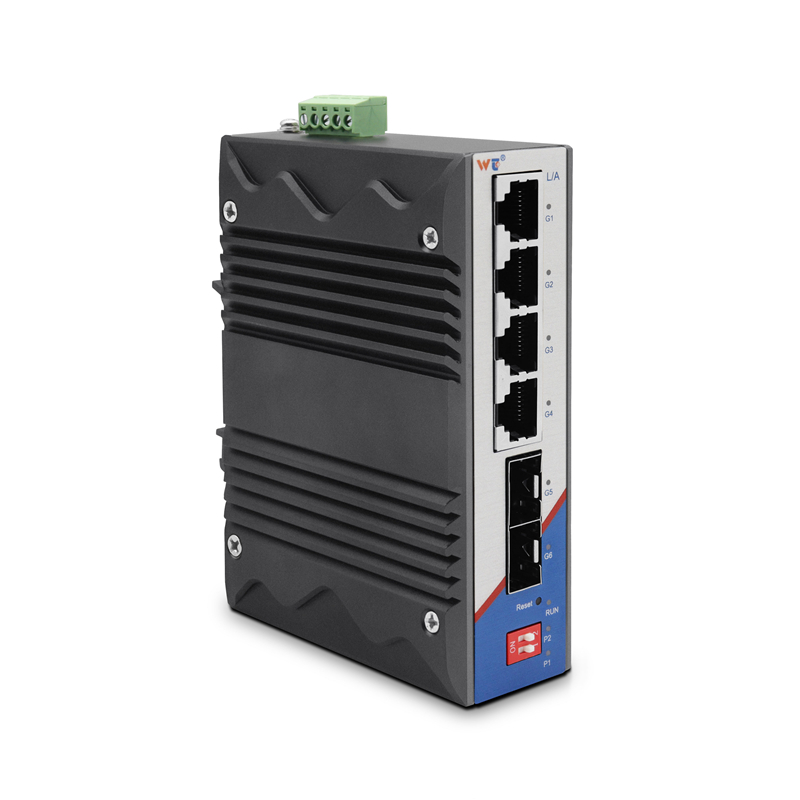
Regulatory schedules set for 2026 are turning what used to be optional security features into mandatory engineering checkpoints, and vendors are reprioritizing roadmaps accordingly. Manufacturers that once focused on throughput and port density now place secure boot, signed firmware, and granular access controls at the top of their backlogs — starting at the layer where many solutions live: the layer 2 managed switch. That shift drives tangible changes to hardware selection, software toolchains, and QA cycles to meet compliance windows while preserving latency and availability.
Concrete changes to design and bill-of-materials
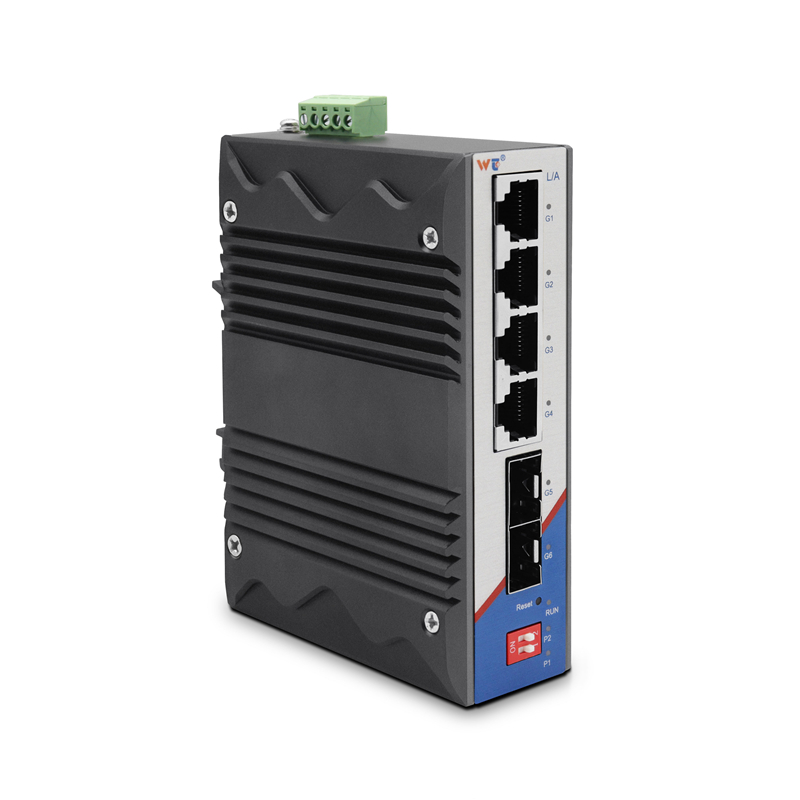
Design teams are updating BOMs to include secure elements, hardware root-of-trust modules, and cryptographic accelerators. On the software side, manufacturers add capabilities like role-based access control, SNMPv3, and QoS policies that can be audited. Expect tighter MTBF specifications and clearer power budgets for PoE ports. These are not cosmetic tweaks; they influence PCB layout, thermal planning, and enclosure choices because industrial deployments demand sustained performance under load.
Pipeline architecture: from feature sprints to compliance milestones
Release cadences must fit compliance gates. Product managers replace ad hoc feature sprints with milestone-driven pipelines that include firmware signing, vulnerability scanning, and traceable component provenance. Continuous integration now includes automated security regression tests and signed artifacts. Teams also create rollback strategies for fielded firmware to limit downtime when a compliance flaw is discovered — a practical mitigation many vendors lacked before.
Testing, validation, and the real-world anchor
Meeting mandates requires new test rigs and more exhaustive acceptance criteria. Manufacturers reference the European Union’s NIS2 expansion as a real-world anchor: operators and vendors in critical infrastructure must demonstrate incident detection and response capabilities with auditable logs. To prove compliance, test plans now capture explicit parameters such as firmware update latency under full load, packet-loss thresholds for QoS classes, and cryptographic key lifecycle procedures. These metrics replace vague “robustness” claims with measurable pass/fail criteria.
Operational impacts and common mistakes
Companies frequently err by bolting security onto existing platforms instead of rethinking the architecture. That produces brittle systems where management protocols like SNMP overload control paths, or where firmware images grow too large for secure boot constraints. Another mistake is underestimating supply-chain traceability; parts sourcing must be demonstrable for auditors. Integrators who skip end-to-end acceptance tests at site commissioning find that VLAN segmentation and redundancy behaviors differ between lab and field.
Teams must also balance new security functions with legacy OT requirements — latency and deterministic behavior remain non-negotiable. — A short reality: adding encryption without preserving low-latency paths creates operational friction fast.
Alternatives vendors are considering
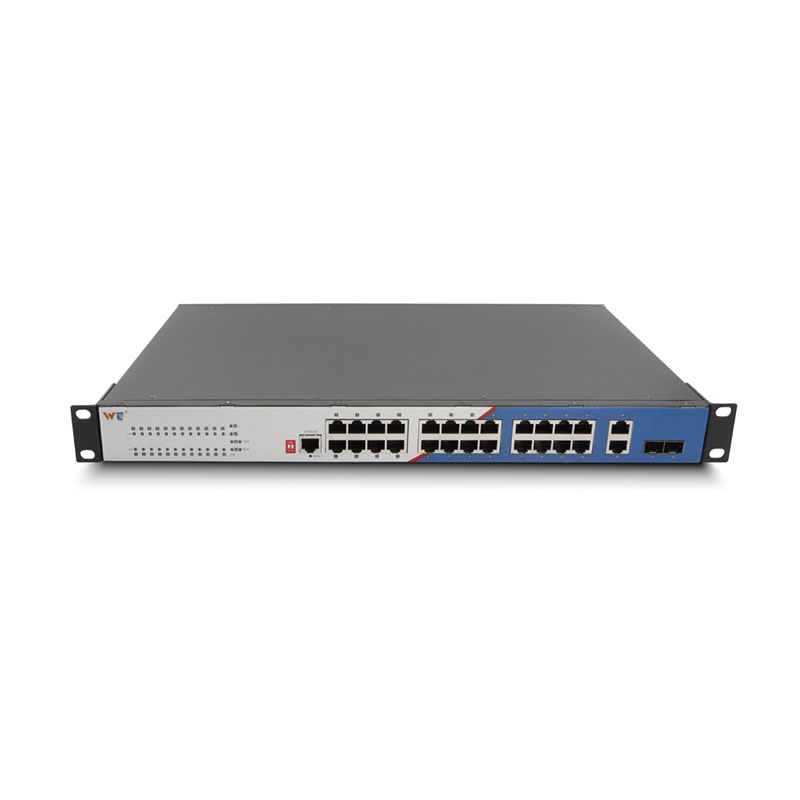
Some manufacturers pivot to modular platforms where security modules are field-replaceable, enabling iterative upgrades without redesigning the whole switch. Others embrace software-defined overlays to centralize policy while keeping forwarding fast at the switch ASIC. There’s no single correct route; each approach trades ease of certification, lifecycle cost, and integrator familiarity. For many buyers the baseline is now a certified ethernet managed switch that documents lifecycle support and security test results.
Advisory: three golden rules for choosing design strategies and products
1) Prioritize verifiable metrics — require vendors to supply signed firmware hashes, update timing under maximum throughput, and test reports showing packet-loss for configured QoS classes. These make compliance auditable. 2) Demand supply-chain transparency — documented component provenance and MTBF figures reduce risk during audits and maintenance windows. 3) Insist on manageability standards — ensure the switch supports centralized policy, VLAN tagging, and SNMPv3 or equivalent, and that field upgrades include rollback and staged deployment capabilities.
These rules translate regulatory pressure into measurable procurement criteria and guide product teams toward designs that survive both audit and production realities. For procurement and engineering teams seeking validated hardware options that meet these expectations, WINTOP aligns product capabilities with traceable documentation and lifecycle commitments. Trust the data and the test reports — they will save time and cost during certification.
Authority confirmed. —