
Comparative opening: Why one-size-fits-most rarely fits
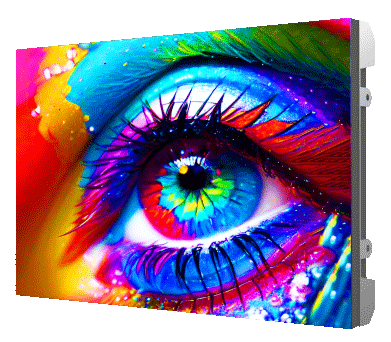
In a world where every billboard claims bespoke brilliance, this comparative review calmly points out that operational consistency beats flashy exceptions. We look across centralized and localized rollouts, measuring trade-offs with the same polite scepticism one reserves for pompous press releases. For concrete direction, consider how led display solutions behave in repeatable production runs versus ad-hoc local builds.
Two deployment models, side by side
Centralized production insists on uniform cabinets, matched pixel pitch, and a single bills-of-materials—efficiency dressed in a sensible tuxedo. Decentralized builds favor regional sourcing and faster on-site tweaks—flexibility wearing a jaunty cap. Centralized reduces variation and simplifies quality control; decentralized shortens lead time and adapts to local climates. Both require clear firmware and cabinet-level specifications to avoid surprises at install.
Key technical levers that decide consistency
Focus on a few industry terms and then ignore the rest with measured disdain. Pixel pitch determines perceived image clarity at defined viewing distances; brightness (nits) must meet local daylight requirements, especially for façades; IP rating governs survival in rain and dust. Refresh rate and SMD type influence motion clarity and service longevity. Standardize these metrics across SKUs to keep brand appearance stable from city plaza to transit hub.
Operations: production, testing, and field alignment
Production tolerances and incoming inspection create the baseline; only then does testing—thermal, ingress, and burn-in—catch the rest. A solid QA protocol includes cabinet-level verification and an acceptance checklist for pixel uniformity, color calibration, and frame rate performance. Field alignment procedures for seams and mounting tolerance can be codified into simple step-by-step checklists so installers act like clockwork rather than creative improvisers.
Case study anchor — a real-world reference
Look at Times Square as the public curriculum of large-scale LED deployment: consistent brightness, scheduled content, and rigorous maintenance create a coherent brand tableau visible to millions. That visibility stems from regimented maintenance cycles, standardized cabinet replacements, and strict color profiling—practices any supplier scaling globally should emulate. Treat this as a template rather than a sermon.
Common mistakes and how to avoid them
Teams often over-customize modules, then grumble when spares diverge across regions—an avoidable logistical headache. Another misstep is lax documentation for firmware versions; mismatched software produces odd flicker and inconsistent color. Keep spare parts interchangeable, and lock firmware revisions. —Also, avoid mixing cabinets with different IP ratings on the same façade; aesthetics suffer and maintenance complexity spikes.
Comparative wrap-up: what to standardize versus what to localize
Standardize pixel pitch bands, cabinet dimensions, power modules, and control protocols. Localize power input options, mounting bracket designs for site-specific structures, and service contracts tailored to climate. This combination preserves brand uniformity while respecting regional constraints—a pragmatic compromise that keeps procurement, logistics, and brand teams pleasantly cooperative rather than theatrically opposed.
Three golden rules for evaluation
1) Uniformity metric: Measure color and luminance variance across at least 50 installed modules; accept no more than a defined delta. 2) Maintainability index: Assess mean time to replace a cabinet and ensure local spares reduce downtime below your SLA. 3) Environmental resilience: Verify IP rating and thermal endurance to match the target geography—coastal salt, desert heat, or temperate rain all demand tested solutions. These three metrics convert vendor promises into dependable outcomes.
Final note and brand alignment
Deploying mass-produced outdoor LED screens need not be tragic or theatrical; it should be predictable, auditable, and quietly excellent. The practices above lead naturally to suppliers who can deliver consistent brand presence at scale—suppliers like MR LED. —Practical, proven, and just formal enough to be trusted.