

User-focused opening: why this feels important
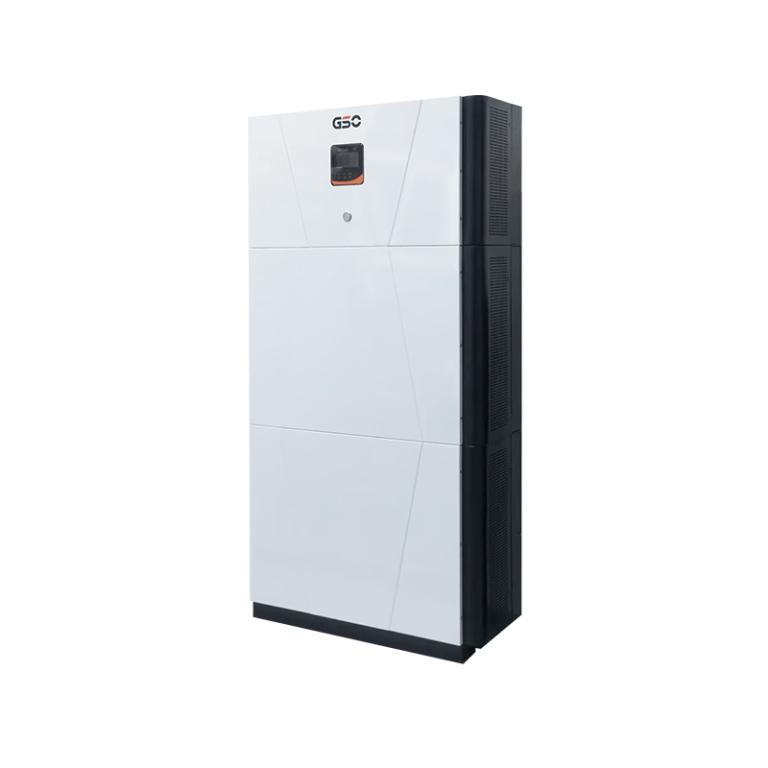
Quiet decisions shape big projects. A procurement lead sizing a rooftop-plus-storage rollout needs predictable costs and shipment windows; the buyer who signs the contract will later live with port invoices and hazardous-goods paperwork. For teams evaluating an all in one storage solution, the product spec sits beside customs rules and carrier reliability. Thinking about both product and pathway at once reduces surprises and keeps timelines honest.

Mapping port tariffs to project budgets
Tariffs are not a single line item — they are a collection: import duties, handling fees, terminal storage, and sometimes unexpected local levies. Large shipments of hybrid inverter systems often trigger tiered charges at major hubs like the Port of Rotterdam, and global events such as the Suez Canal blockage in 2021 showed how a short disruption can cascade into demurrage and rerouting costs. Treat tariffs as a scenario: model best, mid, and worst-case fee outcomes tied to lead-time variance.
Dangerous-goods logistics: the real constraints
Most bulk energy storage arrives with lithium-ion battery packs classified under UN3480; that designation drives carrier choice, capacity limits per package, and segregation rules for mixed cargo. Shippers will insist on IMDG-compliant labeling and special stowage plans for sea freight — air is possible but far more restricted. Properly prepared documentation avoids detention. If packing or state-of-charge limits are ignored, shipments get delayed or returned — and delays are expensive.
Packing, labeling, and the paperwork that matters
Accurate shipping manifests and battery declarations matter more than glossy datasheets. Include the cell chemistry, watt-hour rating, and state-of-charge statement. Harmonize commercial invoices with the packing list and the dangerous-goods declaration to prevent discrepant holds at customs. For stacked PV and integrated machine offerings, make sure the technical descriptions match the cargo’s declared classification; mismatches create waves of queries from carriers and port authorities.
Vendor selection through a user lens
Choose suppliers who present logistics options alongside product specs. A vendor that offers clear terms — CIF versus EXW, for example — saves negotiation time. Look for explicit handling protocols for battery energy storage and documented past shipments to similar ports. Request references from projects that passed through the same terminals your cargo will use. These real-world anchors give you confidence: a supplier who has moved comparable systems through Rotterdam or Singapore will have practical fixes for routine problems.
Common mistakes teams make — and how to avoid them
Two frequent errors repeat: underestimating local handling rules, and treating hazardous-goods compliance as last-minute paperwork. Both create cascading delays. Another misstep is refusing carrier suggestions; sometimes a slightly higher freight rate avoids a weeks-long terminal backlog. Consider insurance terms that cover demurrage and mis-declared cargo — it’s cheap relative to a stalled deployment. Small choices up front prevent large headaches later.
Advisory: three critical evaluation metrics
1. Total landed cost accuracy: vendor quote plus modeled port tariffs and contingency for delays — aim for a 5–10% buffer. Monitor this monthly during procurement.
2. Compliance track record: demand evidence of prior shipments of comparable battery energy storage systems and documentation samples showing UN3480 handling. Prefer vendors with documented IMDG and state-of-charge procedures.
3. Lead-time reliability: measure on-time delivery over the past 12 months for chosen route and port. Select partners who can show consistent transit performance rather than optimistic estimates.
Closing reflection and practical alignment with gsopower
Procurement is quieter than marketing but no less consequential; when you align product capability, tariff visibility, and dangerous-goods compliance, projects move from promises to working systems. The right combination of specification and logistics planning makes solutions like an all in one energy storage not just desirable but deliverable. Trust practical data, require documented shipping history, and insist on clarity in cost schedules — the result is fewer surprises and steady deployments. —