
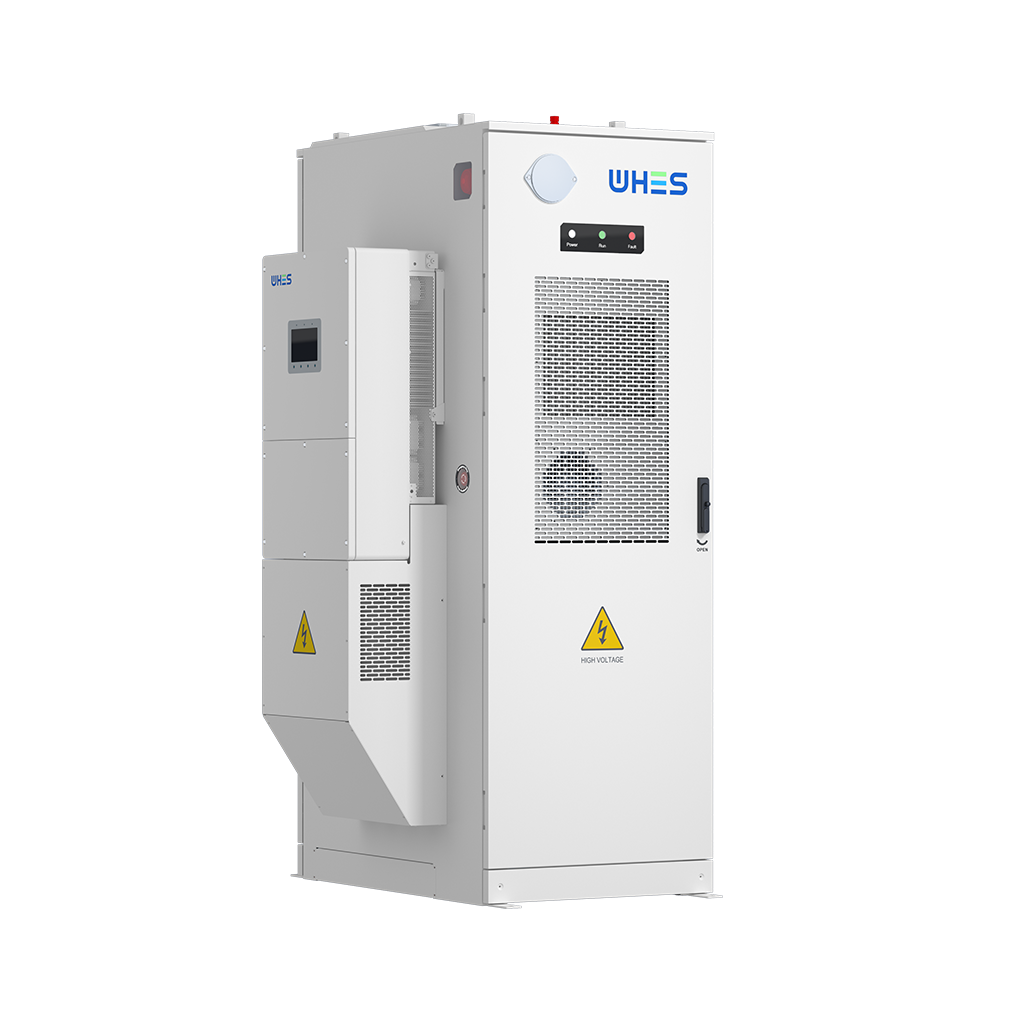
Why a data-first approach matters
Procurement teams and sustainability leads alike now find themselves accountable not merely for price and lead time but for the carbon footprint of every pallet shipped — especially when sourcing a home energy storage system at scale. A data-driven approach converts vague sustainability pledges into measurable supplier commitments: embodied carbon per kWh, transport emissions per container, and documented end-of-life pathways. The recent experience of California’s public safety power shutoffs and the surge in behind-the-meter battery uptake there provides a clear real-world anchor — it exposed how deployment decisions ripple through supply chains and into Scope 3 reporting for utilities and installers.
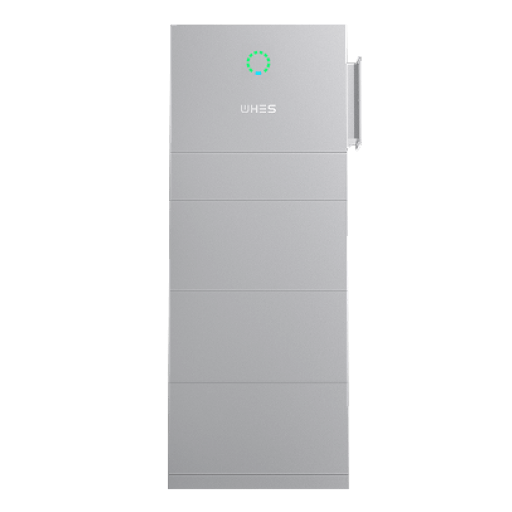
Scope 3 emissions in bulk battery shipments — the components to quantify
Scope 3 in this context spans the full upstream and downstream lifecycle: raw material mining, cell manufacturing, pack assembly, international freight, regional distribution, and end-of-life processing. Practically, teams should ask suppliers for a verified life-cycle assessment (LCA) that includes:- embodied emissions per kWh of usable capacity;- transport emissions per shipment mode (sea, rail, road);- packaging and palletisation impacts.These data points let you apportion emissions across batches and compare suppliers on apples-to-apples metrics rather than vague claims.
Lifecycle recyclability — meaningful metrics, not lip service
Recyclability must be judged by material recovery rate, infrastructure compatibility, and documented downstream partners. Key indicators are percentage of recoverable cathode and anode materials, whether modules are designed for disassembly, and availability of certified recyclers in your target markets. For example, a pack designed with removable modules and labelled cell chemistry (LFP versus NMC) materially simplifies sorting and raises downstream recovery rates — which reduces Scope 3 burdens at EoL.
How shipping choices change the carbon picture
Shipment mode and consolidation strategy materially affect emissions. Ocean freight per TEU typically yields far lower CO2e per kWh than air, but long sea legs can increase transit risk and inventory holding. Regional consolidation hubs reduce last-mile trucking exposures and let you optimise container fill rates — an easy win for lowering per-unit transport emissions. Where expedited delivery forces air freight, capture that uplift in your procurement model so you do not mask Scope 3 hotspots.
What to require from suppliers — a practical procurement checklist
Insist on verified, auditable data. At minimum, request:- An LCA covering cradle-to-gate and end-of-life scenarios.- Embodied carbon per delivered kWh and per physical unit.- Details on pack design that affect recyclability (modularity, fasteners, adhesives).- Evidence of take-back or remanufacturing partnerships.- Transport mode breakdown and container utilisation metrics.Ask for third-party verification where possible — ISO 14067 or EN 15804-style disclosures are useful. Remember: specs without delivery protocols are aspirations — make contractual KPIs for data delivery and remediation if thresholds are missed.
Common mistakes — and how to avoid them
Teams often fall into the trap of equating low unit price with low lifecycle cost. They ignore the carbon and cost of end-of-life logistics, or they accept supplier claims of “recyclable” without proof of downstream capacity. Another frequent error is failing to harmonise chemistry data; packs with undocumented cell types complicate future sorting and recycling efforts. A practical mitigation: pilot a small batch with full monitoring — transport tracking, unpacking audits, and a documented EoL trial — before scaling procurement. —
Comparative levers that deliver real reductions
There are three comparative levers that yield the largest Scope 3 gains:1) Chemistry choice and pack design: LFP chemistries and modular packs reduce material complexity and improve recyclability. 2) Transport optimisation: fuller containers, slower sea routes, and regional consolidation hubs lower per-kWh transport emissions. 3) Take-back and remanufacture: verified downstream partnerships convert end-of-life liabilities into feedstock for new packs or second-life applications.
Three golden rules for sustainable battery sourcing
1) Demand auditable LCAs and bake them into contracts. If numbers cannot be verified, they cannot drive procurement decisions. 2) Prioritise design for disassembly — modularity and clear chemistry labelling reduce EoL costs and emissions. 3) Measure transport by per-kWh carbon intensity, not just by freight cost; that alignment changes vendor selection and route planning.

Apply those rules consistently and you alter the calculus from short-term cost to total lifecycle value. In practice, a supplier who provides granular LCA data, modular pack designs, and a reliable take-back pathway will reduce Scope 3 exposure and simplify regulatory reporting — qualities that make a national roll-out feasible rather than merely aspirational. Ultimately, the value of good sourcing shows up in fewer surprises at installation and at end-of-life, which is precisely where WHES’s integrated solutions bring clarity — WHES. —