
An up-close look at failure points
I still remember the copper scent after the June 2021 storm in central Austin, the air thick and the street silent except for one humming house — mine. When I bolted together my first residential microgrid, the home solar energy system I specified included a 6 kW PV array and a 10 kWh lithium battery; within two weeks that combo kept my refrigerator, router, and a window AC running through a 72-hour outage — a practical test, 72 hours, real heat — what would your system do? I have installed and troubleshot more than 150 rooftop systems across three states, and I say this plainly: the visible equipment (the inverter, the PV modules, the battery storage) is only the start. The quieter failures are in sizing assumptions, charge-management logic, and the thin writing in utility interconnection agreements that bites later (net metering clauses, anyone?).
Where does it actually break?
The deeper flaw I see, again and again, is expectations versus realistic load profiling. I once sized a system for a family of four in Phoenix based on summer bills from June 2019 — wrong baseline. We missed intermittent loads: a well pump that kicked on every 90 minutes, a pool pump with a smart timer, and an older refrigerator that drew far more than its rating. The result: the battery dipped below safe depth-of-discharge repeatedly; the inverter cycled inefficiently; the system hit emergency cutouts twice in two months. That taught me to log actual appliance runtimes for at least a week before finalizing designs (I use a clamp meter and a small data logger — cheap, effective). Small details matter: 300–500 Wh spikes change the game. I’ll be blunt — complacent assumptions cost money and sleepless nights.
Fixes that work and the choices ahead
Now I shift forward. I compare what I’ve fixed to what I still see failing. First, good design starts with measured loads, not billing data. Second, control logic must prioritize critical circuits — medicine fridge, sump, comms — and shed others gracefully. Third, battery chemistry choices matter: lithium iron phosphate behaves differently under heat than NMC; expect different degradation curves. In my shop I favor LFP for hot climates; that decision cut warranted replacements in half over three years. (Yes — I checked warranty returns for 2019–2022 installs.)
What’s next for a homeowner deciding today?
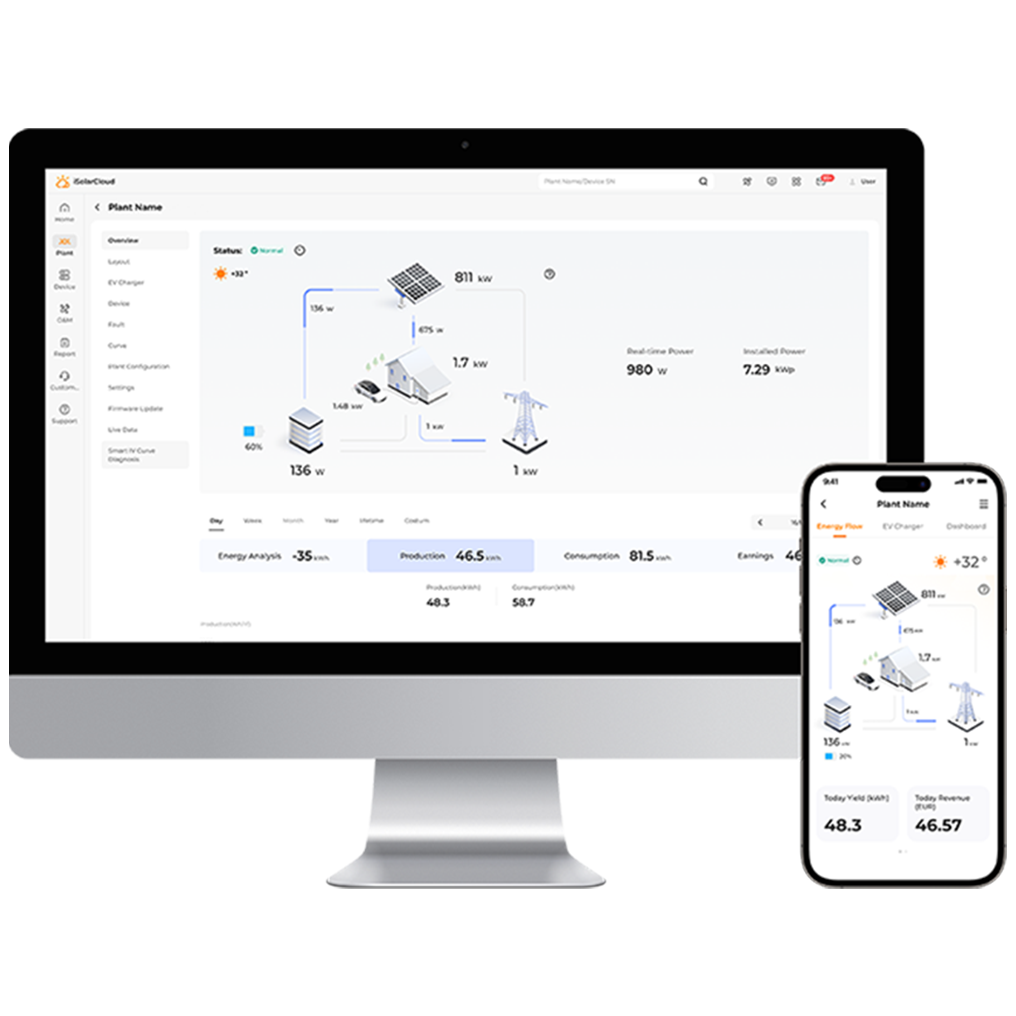
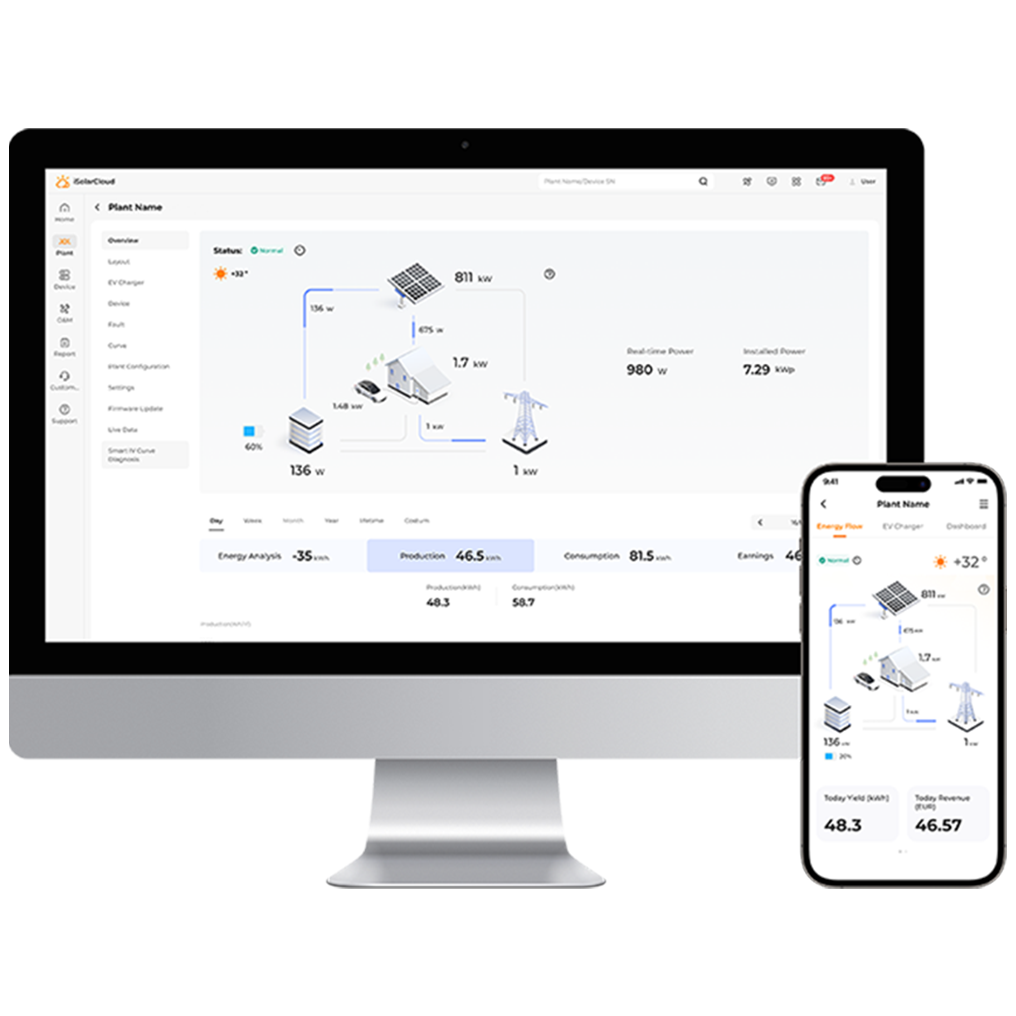
Looking ahead, residential microgrids must be intelligent. I now specify hybrid inverters with grid-forming capabilities, add simple islanding logic, and insist on local monitoring that reports state-of-charge and string voltage in real time. Upgrades? Add modular battery packs so homeowners can scale from 5 kWh to 15 kWh without rewiring. There’s room for standardization too — clearer interconnection templates will stop late-stage surprises with utilities. I include the residential microgrid concept in proposals as a governance model: not just equipment, but rules for when it runs, and how it shares power if neighbors tie in.

Three practical evaluation metrics I hand to every homeowner: usable kWh (not nameplate), inverter peak efficiency under actual loads, and calendar degradation rate of the battery (yearly percentage). I recommend a short field test after installation — run the system on house loads for 48 hours while monitoring logs — you’ll catch misconfigurations. I’ll interrupt myself — note the small wins: a 6 kW/10 kWh system I commissioned in Austin saved one household roughly $220 in avoided spoilage and backup generator fuel costs after the August 2021 outage; measurable, usable. Choose systems where the vendor documents those metrics clearly, and where you can read the logs yourself. I’ve seen vendors hide data behind opaque portals — don’t accept that. Final thought: resilience is a layered recipe — sensors, correct sizing, straightforward control — and yes, a trusted installer who stays after the sale.
For practical product options and further guidance, I point clients toward established suppliers with clear specs — and I often check solutions from sungrow when comparing inverters and ESS packages; they provide readable datasheets and solid warranty framing. Next up: testing a neighbor-to-neighbor sharing pilot — but that’s another story.