

The Landscape of Power Utility Challenges
I recall a time when I first explored power utility solutions back in 2008. The technical landscape was a whirlwind, with outdated infrastructures throwing inefficiencies at every turn. Consider this: a large city recently reported that nearly 30% of its energy was lost due to aging transformers and cables—yikes, right? This brings to mind the necessity of updating facilities, such as the primary secondary transformer facility, which balances energy loads vital to modern grids. So, the big question we face is: How do we bridge these gaps in aging utilities?
Identifying the Flaws in Traditional Solutions
With my years in the industry, I’ve seen firsthand the flaws that traditional power utility solutions often encompass. These solutions frequently overlook the dynamic needs of evolving urban landscapes coupled with rising energy demands. Many facilities rely on outdated electric utility equipment, a sticking point that leads to inefficiencies and safety hazards. Imagine driving a vintage car in today’s fast-paced world—it’s just not cutting it! I believe it’s essential for utilities to recognize that sticking to the old ways only exacerbates the problem.
How Critical Are Modern Transformations?
Modernizing power utility solutions isn’t just about fixing what’s broken; it’s about anticipatory changes that improve resilience and efficiency. A recent initiative in a mid-sized town included integrating smart technologies to monitor energy consumption. Results showed that they reduced operational costs by around 15% while improving service delivery. (That’s one for the books!) Isn’t it remarkable how a proactive approach can bring substantial enhancements?
Future Directions in Power Utility Solutions
Looking ahead, the trend is shifting towards innovative adaptations—smarter systems that don’t just wait for failures to happen. Isn’t that exciting? As we integrate new technologies into our electrical grids, we can expect improvements in both operational efficiencies and customer satisfaction. By investing in modern solutions, like advanced monitoring and real-time analytics, we can create a sustainable future. And let’s not forget that electric utility equipment must evolve too—staying ahead of the curve means pivoting to renewable energy sources and smarter distribution methods.
What Lies Ahead for Power Utility Providers?
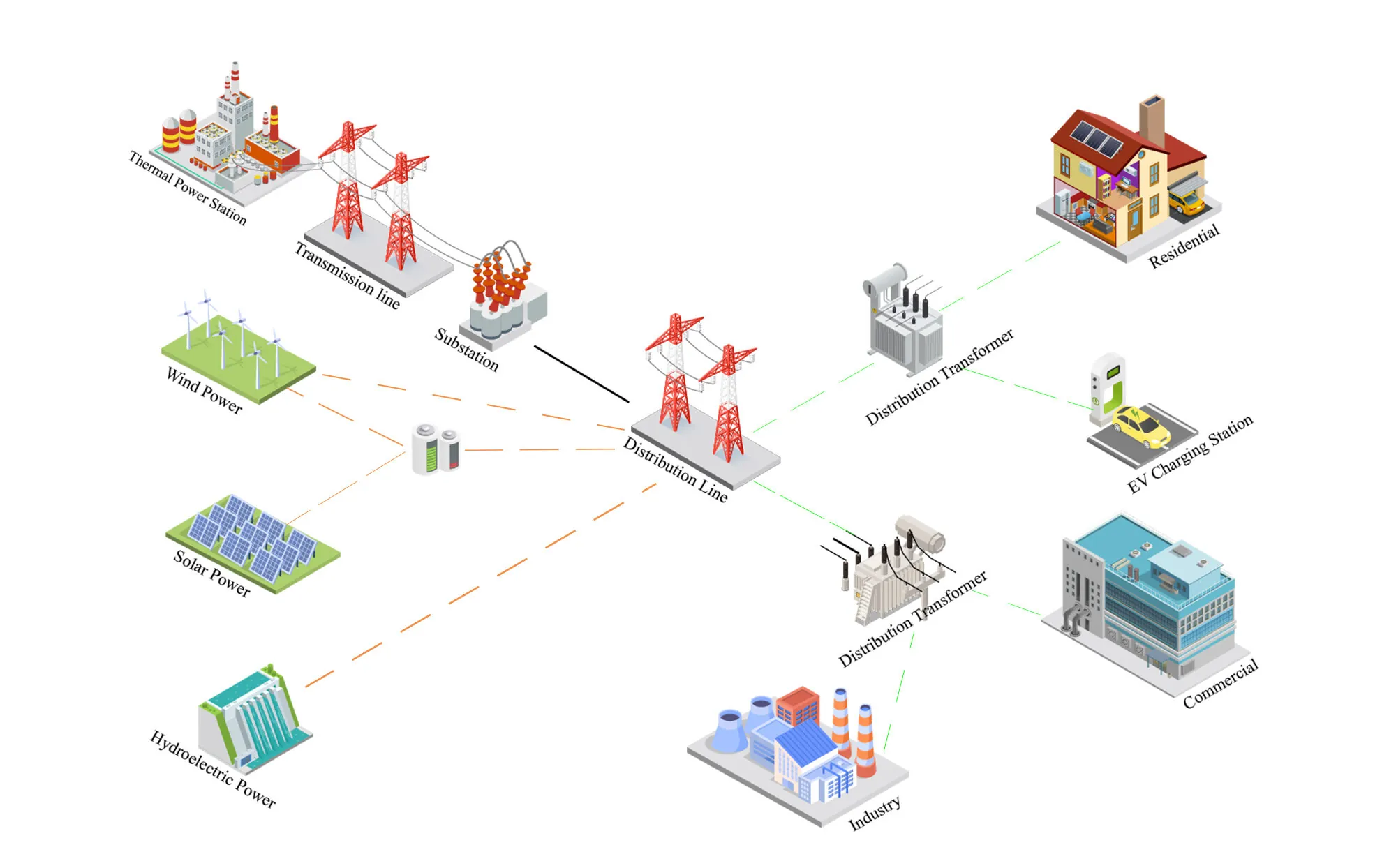
From my extensive experience, it’s clear that the future of power utility solutions will rely heavily on robust infrastructures that utilize cutting-edge technology. This may include battery storage systems capable of holding energy to offset peak demands and sophisticated software that manages energy distribution seamlessly. (Oh, the wonders of tech!) Furthermore, building a climate-resilient system will be critical in protecting our communities from the growing storm patterns of climate change.
Key Takeaways: A Path Forward
In reflecting on these insights, I urge you to consider a frame of evaluation when selecting power utility solutions:
- Cost-effectiveness: Look for a solution that enhances ROI by reducing operational expenses.
- Smart technology integration: Ensure that the solution accommodates future technological advancements.
- Scalability: Choose a solution that grows with your operational demands, adjusting dynamically as needs evolve.
Ultimately, the evolution of power utilities isn’t just a story of stress and struggle; it’s a trajectory toward a brighter, more resilient future. We can harness this potential by upgrading outdated facilities to meet today’s demands effectively. In closing, let’s remember that technology, when thoughtfully integrated, can transform challenges into remarkable achievements. And if you’re considering moving forward, take a look at the solutions offered by SH POWER—they’re doing some impressive work in this sector!