
Introduction: Real Streets, Real Power, Real Questions
Straight talk: the road don’t care how sweet your bike looks. Your muscle cruiser will meet potholes, heat, traffic, and wet paint lines before lunch. In Jamaica and big cities alike, riders face stop-and-go and sudden sprints (nuh lie). Last year, rider surveys say most urban trips run under 30 minutes, yet fatigue still kicks fast. Why? Heavy bikes. Big torque. Short errands. Long strain. So hear mi now—how do you set up a machine built for brute force to move smooth and easy without dulling the thrill? What’s the angle for better grip, cooler temps, and less hand burn on that clutch? And how do you keep the feel that made you buy it in the first place?
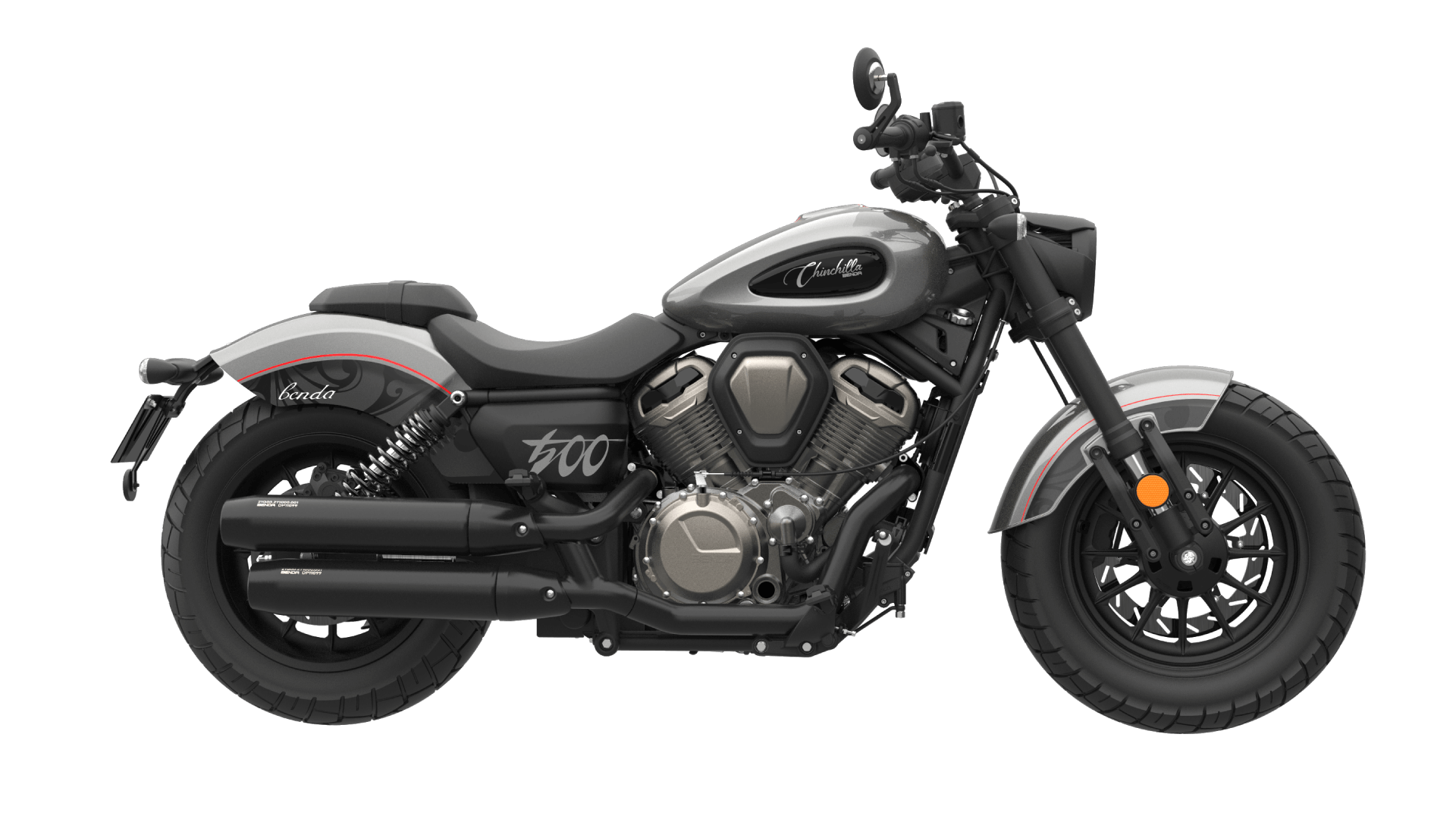
We’ll compare old fixes with new ones and pull out what actually helps on the street. Quick, clear, and grounded. On to the quiet problems hiding under the shine.
Hidden Friction: The Pain Points No One Admits
Let’s keep it technical and simple. A power cruiser hits hard off the line, but the city punishes that strength. The long wheelbase and relaxed rake and trail feel stable at speed, yet they fight you in tight turns. Low-speed wobble is not drama—just geometry. The torque curve is fat down low, but throttle mapping can be jumpy at parking-lot pace. That makes your right wrist work overtime. Heat soak stacks up at lights; weak thermal management roasts your legs. Clutch hand? Tired. Even a slip-assist clutch can’t mask tall first-gear ratios in crawl traffic—funny how that works, right?
Now the hidden part. Ergonomics lie. A seat that looks plush can lock your hips and load your lower back after 12 minutes. Footpegs that feel cool at 80 mph twist your knees in gridlock. Vibration modes pass through the bar ends if damping is off, and your fingers buzz by the time you reach the toll. Look, it’s simpler than you think: you need small, precise tweaks that match actual use, not brochure talk—think smoother ECU fueling at 2–3k rpm, a clutch ramp that eases initial bite, and brake pads that bite earlier for low-speed control. These changes target the true pain points.
Why does it still wear you out?
Because most “fixes” chase peak numbers, not street time. Big pipes, louder maps, taller tires. They chase top-end brag, not daily flow.
Forward-Looking Tech: How Tomorrow’s Cruisers Fix Today’s Grind
Now shift to the new playbook. Modern control systems use IMU data to calm low-speed twitch. Ride-by-wire can smooth the first 10% of twist, so your takeoff stops feeling like a light switch. Updated ECUs talk over CAN bus and refine fueling in microsteps. If the platform is electric or hybrid, better power converters and inverter logic spread torque more gently at launch. Active cooling ducts and smarter radiator fans reduce idle heat load. Even chassis bits evolve: revised swingarm geometry and stiffer triple clamps stabilize the front without killing feel. A connected module—tiny edge computing nodes—can log your commute and suggest custom throttle maps. That’s not hype. It’s feedback loops made useful.
Here’s the comparison you can feel. Old-school fixes stacked weight and noise; new systems trade code for calm. In practice, a well-tuned muscle cruiser motorcycle grips better in rain, turns tighter at walking speed, and keeps your core cool in August. Small gears matter too: a one-tooth change on the front sprocket, progressive-rate fork springs, and pads with a higher initial coefficient cut effort by chunks. And your brain rests—seriously. Less micro-correction means more attention for traffic. Your pace stays smooth, your wrists stay fresh, and fuel range goes up a hair. Not magic—just better systems working together.

What’s Next
Expect adaptive maps that learn your route, thermal shields that vent smarter at standstill, and seat foams tuned to reduce peak pressure under the sit bones. Maybe even predictive stop-start logic tied to nav data—funny how the bike may soon know your red lights before you do.
Before you pick a path, use three clean metrics: 1) low-speed stability score you can feel—measured by how few bar corrections per block; 2) thermal comfort in traffic—track minutes to first heat fade on a warm day; 3) wrist and clutch load—count how many micro-inputs you make leaving a light. If a tweak improves those, it’s worth your money and time. Share what works, skip what only shouts. Ride smart, ride easy, and keep the muscle where it matters. BENDA