
Introduction — a quick scenario, a hard number, and a question
Have you ever watched a print run and felt the room tighten as aroma and haze built up? In many workshops and factories, fume extraction products quietly do the heavy lifting to keep people safe and production steady. Recent on-site checks show particle concentrations can jump three to five times during busy runs, which is a clear signal that standard ventilation often isn’t enough. So how do you pick a solution that actually works for your process, not just on paper? I’ll walk you through the practical trade-offs and what matters most next — a short roadmap before we go deeper.
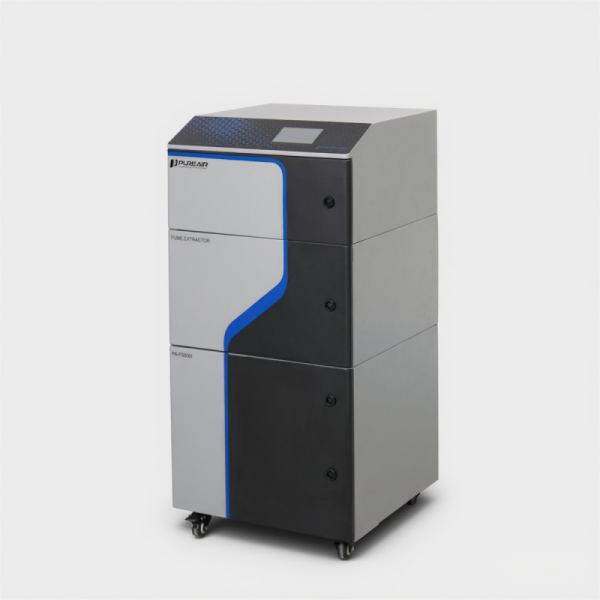
Part 2 — Where common systems fail: the hidden cracks in routine setups
Building on that opening, let’s look under the hood. When I inspect systems tied to inkjet printing lines I often find the same patterns: undersized fans, long, leaky ductwork, and filters rated for the wrong particle class. These are not exotic faults — they’re practical mistakes that raise exposure and force downtime. Capture velocity gets talked about in specs, but in practice it’s too low at the operator’s breathing zone. Fans sized by crude rules of thumb fail to overcome static pressure from inadequate duct runs. HEPA filters are sometimes retrofitted without considering pre-filter stages, and the result is rapid clogging and high maintenance costs.
Look, it’s simpler than you think: solve for airflow path first, then filtration. I use a checklist when evaluating a site — intake location, capture hood geometry, measured capture velocity, and filter staging. Short-circuiting any of those steps feels cheap now but costs you weeks later in lost throughput. There’s also an emotional side: operators avoid stations that feel unsafe. That affects quality. I’ve seen it — productivity drops, rework rises. — funny how that works, right?
What’s the single worst oversight?
Often it’s assuming one-size-fits-all. Different solvents, particle sizes, and print speeds change demands. You can’t pick a unit by price alone; you need matched fan units, correct filter media, and attention to pressure drops.
Part 3 — Future outlook: where solutions are heading and how to compare them
Moving forward, the most useful advances aren’t flashy — they’re practical. For inkjet printing setups I’m watching better sensor integration, smarter controls that adjust fan speed to real-time load, and modular filter cartridges that drop in without complex plumbing. Edge computing nodes can help systems react quickly to spikes in emissions, and smarter power converters reduce energy waste during low-load periods. These changes cut operating cost and improve worker comfort; I expect adoption to grow as companies chase predictable, measurable gains.
Consider a short case example: a medium-sized label printer replaced a legacy extractor with a modular system that matched hood geometry and added inline sensors. The result — measured particle counts fell 65% during peak runs and filter life doubled. That’s not anecdote; it’s a tangible outcome you can aim for. And if you’re comparing offers, watch for real-world performance data, not just lab specs. Weigh installation complexity too — long-term uptime matters more than a low headline price — and— yes, installation can be the hidden cost.
What’s Next?
To close, here are three practical evaluation metrics I use when recommending fume extraction for printing environments:
1) Effective capture at the operator zone — verified by on-site measurements rather than vendor numbers. 2) Filter staging and accessibility — does the system use pre-filters to protect HEPA media and are cartridges easy to swap? 3) Adaptive control and energy profile — can the extractor modulate based on load and does it use efficient motor and power electronics (fewer idle losses)?
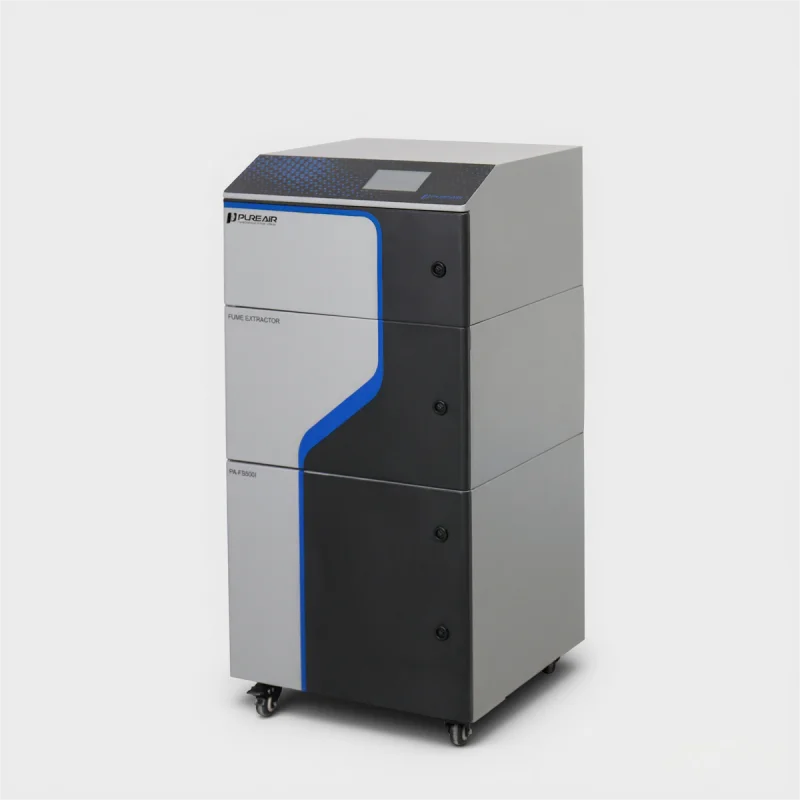
Those three points separate systems that look good on paper from ones that keep your line running and your people healthy. I favor solutions that make maintenance predictable, not painful. If you want a partner who thinks through those trade-offs with you, check out PURE-AIR. We’ve learned these lessons the hard way, and we share them so you don’t have to.