

Picture this: a bustling auditorium filled with industry leaders discussing the latest in automation. It’s not just chatter; data suggests that companies investing in robotics have seen productivity boosts of over 30% in recent years. How will the china automation exhibition 2026 further reshape this landscape? Robotics and automation aren’t just trends; they’re becoming integral to how businesses operate, yet many are still unaware of the common pitfalls associated with traditional solutions.

Identifying the Flaws in Conventional Automation
I vividly recall attending a previous expo and witnessing businesses grapple with outdated automation systems. A significant issue plaguing many is the reliance on legacy software that fails to integrate with new technologies. When companies choose to upgrade without comprehensive evaluations, they face hidden costs—think training time, software incompatibility, and even potential downtime. For instance, an automotive manufacturer I consulted with saw a 20% increase in their operational costs after a hasty upgrade because their systems clashed. Though exciting advancements are all around, understanding the flaws in traditional solutions is crucial for smarter, sustainable adaptation.
Looking Ahead: The Evolution of Automation
What’s next for businesses eyeing modern automation solutions? The china automation exhibition 2026 promises not only to showcase innovations but also to allow us to benchmark against competitors who have successfully navigated these challenges. Automation is evolving beyond just efficiency—it’s about smart adaptability, scalability, and real-time analytics. In essence, future-focused businesses need to prioritize seamless integration over temporary gains. For anyone still banking on outdated systems, the pain points will only compound as the pace of technological change increases.
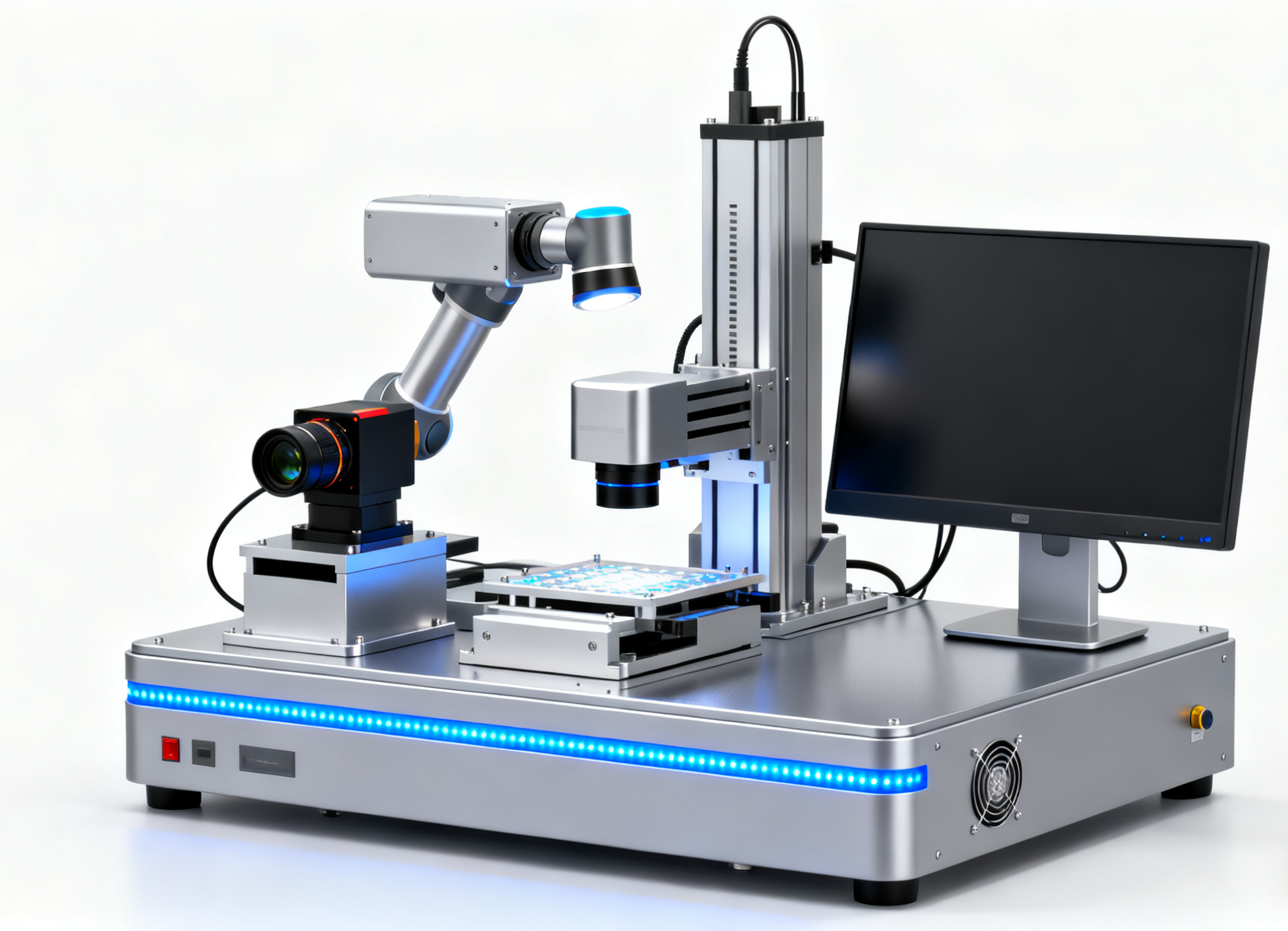
Real-World Impact: What Should Your Business Measure?
When embarking on an automation journey, I suggest evaluating three key metrics: operational efficiency, cost reduction, and user satisfaction. These will guide decisions on which solutions best fit your business model. Many organizations still overlook the importance of user feedback, which can lead to suboptimal implementations. For instance, I spoke to a logistics company that saw a marked decline in employee morale after rolling out a new system that was cumbersome and not user-friendly. Taking the time to understand user experience can save companies significant headaches down the line.
In closing, the robotics and automation landscape is ripe for exploration, but it comes with its own set of challenges. Recognizing flaws in traditional approaches and being proactive about adaptation can lead to sustainable growth. Staying updated with trends and the latest technologies showcased at events like the china automation exhibition 2026 is essential. Embrace innovation, and remember—functionality paired with user experience is key. If you’re ready to step into the future of automation, nan is here to help you navigate these exciting waters.