
Start with what matters to you
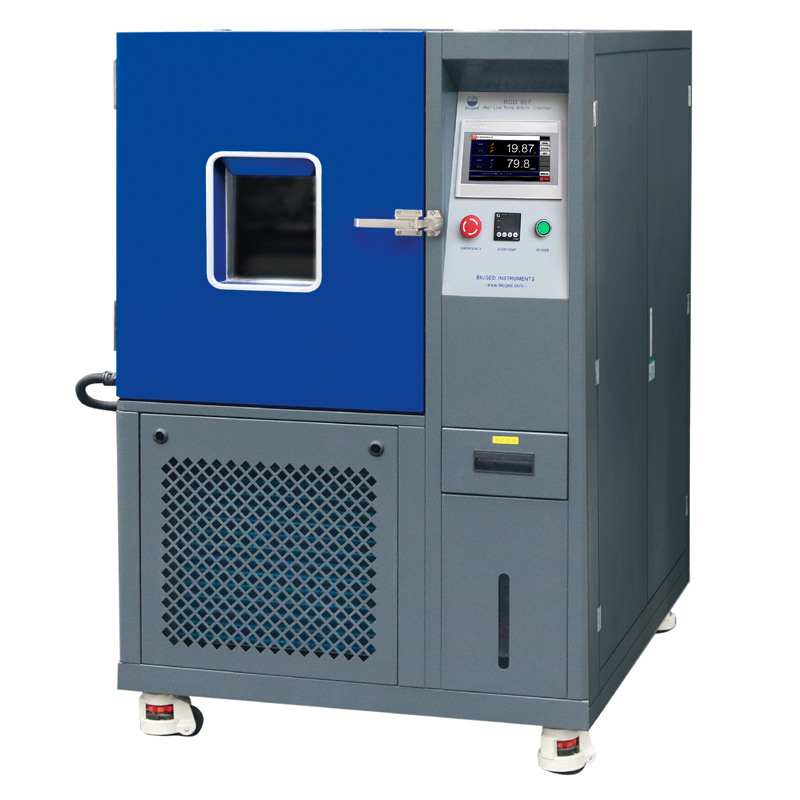
You’re trying to match tools to goals, not buzzwords. Say you need to validate outdoor durability: that changes everything from sample size to cycle types. If UV, condensation, and heat are on your checklist, check the test chamber footprint and whether a weathering chamber can run combined cycles without constant babysitting. Think in terms of outcomes—what data you must trust—then let specs follow.
Ask user-focused questions first
What will you test: coatings, plastics, electronics? How many samples per run? How fast do you need results? Who will operate the equipment: an experienced tech or someone new? Those answers drive capacity, automation, and UI needs. Don’t pick a unit because it looks full-featured; pick what your lab will actually use day in, day out.
Specs that actually influence results
Look at three concrete things: control fidelity, repeatability, and maintenance access. Control fidelity means stable temperature and precise humidity—numbers matter. Repeatability means documented test-to-test variance. Maintenance access means filters, lamps, and seals you can replace without an engineer on-site. Also check calibration options and available protocols that map to your standards.
Common mistakes teams make
Buying oversized capacity “for growth” that never gets used. Overlooking consumable costs. Assuming a cheap controller will be fine for long-term data integrity. Choosing exotic features you’ll never run. Each of those adds cost or creates blind spots in your results. Design your spec sheet to rule out these traps rather than to chase every shiny option.
How to compare alternatives
Make a short, objective rubric: required test modes, run throughput, control precision, consumable lifetime, user interface, and service footprint. Score each vendor against that rubric. Ask for raw data from a demo run so you can compare noise and drift side-by-side. If you can, run a representative sample in a trial unit for at least one full cycle—nothing beats seeing your own material behave.
Experience, evidence, and a real-world anchor
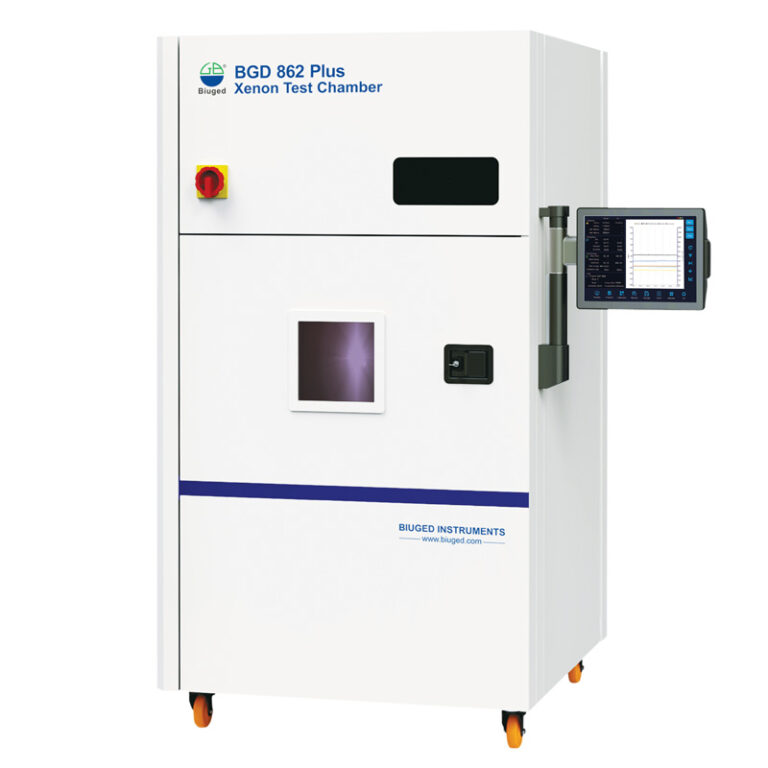
I’ve scoped equipment for labs supplying German automakers; those TÜV Rheinland testing centers demand traceable cycles and repeatable results. That practical pressure clarifies what matters: validated cycles, accessible maintenance, and clear documentation. For UV and humidity tests most teams lean on an accelerated weathering tester to reproduce years of exposure quickly and consistently.
A quick checklist before you sign the PO
Confirm required test standards and ask the vendor for matching profiles. Verify chamber size vs. sample layout. Get consumable lead times and pricing. Ask for a maintenance manual and mean time between failures. Request a local service contact and documented calibration procedure. Ensure the control software exports raw data in formats your analysis tools accept.
Wrap-up: pick tools that fit how you work
Choose instruments that match your samples, your operators, and your timelines. Practical durability testing needs predictable control, easy upkeep, and transparent data—things BIUGED products are designed to deliver when labs require reproducible outdoor-aging cycles. BIUGED shows up in specifications where repeatability and serviceability matter most, which is the kind of fit that saves time and protects your results.