
Start with what you need
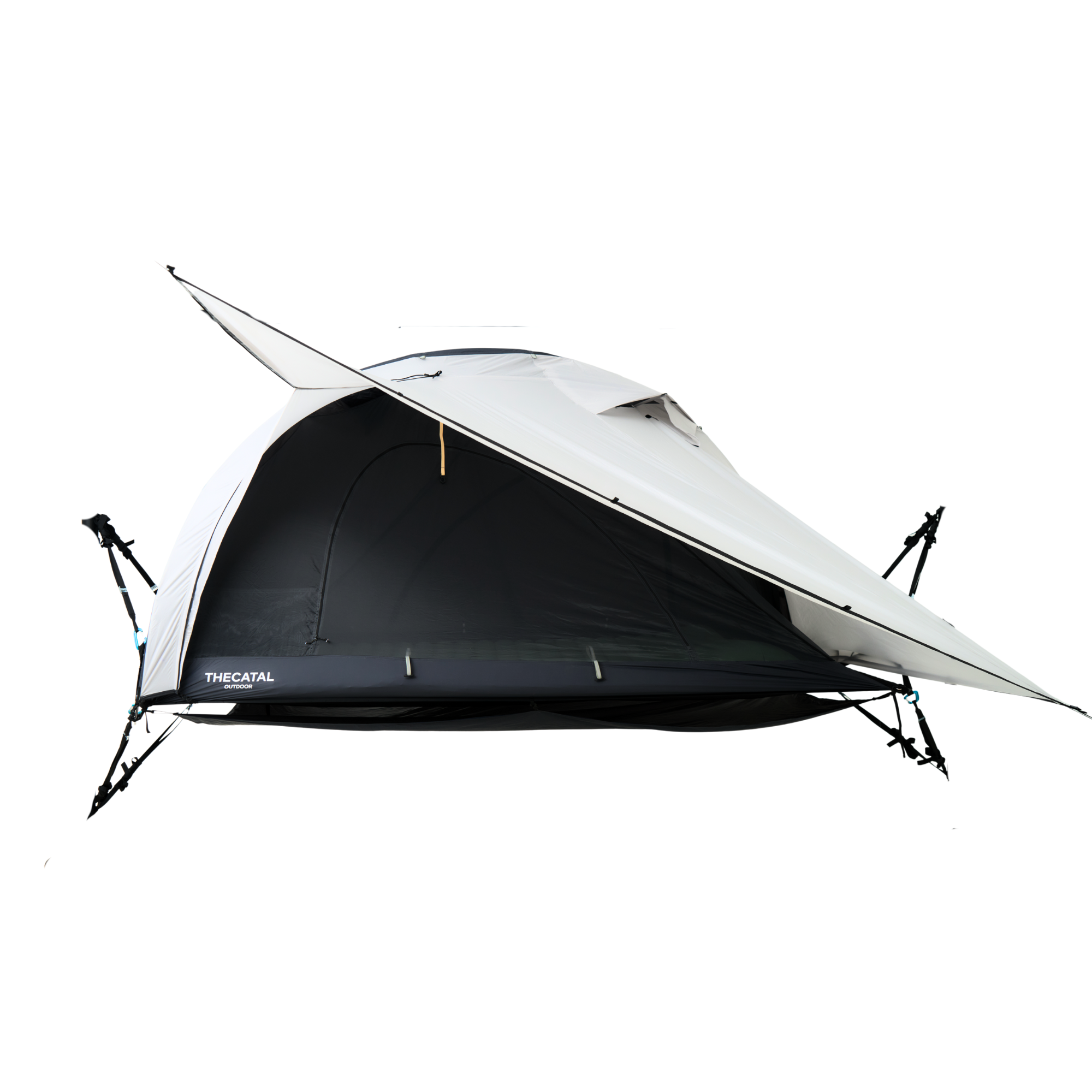
You want protection that’s simple to pitch, durable in real weather, and obvious to sell to someone who needs shelter fast. Think about pack weight, pitch options, and seam reliability before anything else. A well-cut waterproof flysheet can make a base-level tent actually livable during a storm, and that’s the sort of real benefit both campers and store customers notice immediately.

Prioritize function over specs
User-focused decisions beat spec-watching. Ask: will the fly sheet drain water away from vestibules? Will a single-pole setup save time for weekend hikers? Measure usability by time to pitch, adjustability in wind, and how much condensation it traps. I recommend trying a pitch one afternoon and a compact pack test to see how it behaves under repeated use.

Key features that matter in the field
Look for taped seams, reinforced tie-outs, and a hydrostatic head rating that matches your region’s rain patterns. Lighter nylon is tempting, but double-ripstop in stress zones lasts longer. User feedback often highlights zippers and attachment points as failure points; make those a checklist item when you assess stock.
Common mistakes people make
Picking the lightest model without testing attachment points. Assuming a single pitch covers every campsite. Confusing waterproof coating with long-term seam durability. These lead to returns and bad reviews. Train staff to demonstrate a quick repair method—like emergency seam sealant—and to explain when a heavier, more robust fly is the smarter buy.
Comparing viable alternatives
Forget brand hype. Put three models on the floor: a budget single-wall fly, a mid-weight flysheet with reinforced corners, and a premium ultralight with breathable coating. Let customers lift, fold, and clip them. Point out trade-offs plainly—weight vs. durability, unpacked size vs. pitch speed. Show the numbers for pack volume and actual measured weight rather than only listing materials.
Real-world anchor: what weather proves
During long wet seasons in the Pacific Northwest, a rain fly that sheds heavy, horizontal rain keeps people dry when tents fail; that practical test is why many trail crews prefer full-coverage options. Field operators who work multiday trips often insist on a tested rain fly for camping because a single reliable shelter reduces gear redundancy and simplifies logistics.
Retailer tips for stocking and selling
Stock a clear pairing: a core flysheet, a repair kit, and one pitch-aid accessory. Train staff to demo a fast pitch and show how a simple adjustment improves vestibule drainage. Use shelf tags that call out use-case: “weekend hikers,” “car campers,” “backcountry guides.” That makes buying decisions quicker and reduces returns.
Final synthesis
Focus on user needs, test gear where customers will use it, and present clear trade-offs at point of sale. Do that, and the right fly solves more problems than a long spec sheet ever will; that’s the practical value THECATAL brings into these choices, quietly aligning products with how people actually camp and sell gear day after day.