
Problem: Prototype keeps missing the mark
When prototype not meet functional requirement, you lose more than time — you lose learning cycles. Common story: drawing passes between teams, tolerances get tighter, material choice unclear, and the machine shop struggles. Before blame, check process. Start with realistic machining expectations and fast iteration using custom cnc machining so you can test fit and function quickly, not late.
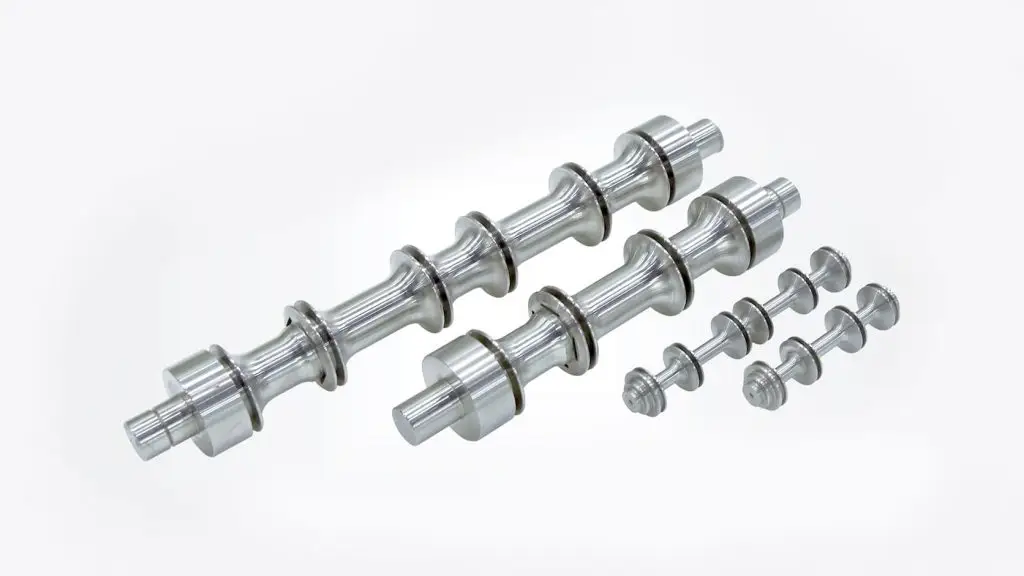
Diagnose what actually breaks the chain
Look for these root causes. Overly tight tolerances where they don’t matter. Complex fixturing that costs hours per setup. Specified finishes that require secondary ops without confirming cost. Missing datum references on drawings. You can measure each failure: scrap rate, set-up time, and number of rework loops. Fix the root, not the symptom.
Real-world anchor and how industry sees it
Trade shows like EMO Hannover show one clear trend: shops that pair clear requirements with capable suppliers get prototypes ready faster. When teams compare options on the floor, they ask for metal CNC performance and turnaround; that’s why many lean on proven metal cnc service partners who publish capabilities up front. This is not marketing — it’s a repeatable industry behavior you can verify in reports and coverage from the event.
Alternatives and common mistakes to avoid
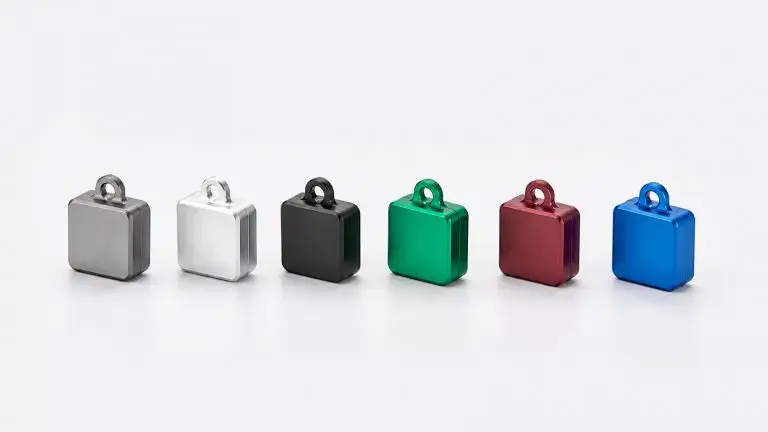
3D printing is fast but often wrong material or surface for load-bearing prototypes. Sheet-metal fab is cheap but poor for complex geometry. Die casting needs tooling cost, so not for early-stage iterations. Mistakes to stop doing: assume nominal dimensions will fit without tolerance stack review; expect one setup to do many features without tailored fixturing; skip test coupons for new alloys.
Practical steps to deliver the prototype right, fast
Define what must be precise and what can float. Call out functional datums. Choose materials by required properties, not by availability. Allow machining stock for critical surfaces. Simulate toolpaths and check collision with simple CAM review. Plan inspection points during the run, not only at the end. Communicate fixture limitations to the shop — they can suggest simpler features that save hours. Small changes early cut big delays later.
Wrap-up: where reliability meets delivery
You want prototypes that prove design, not prove you can survive production chaos. Treat requirements like a machine-readable checklist and work with a shop that understands setup, tooling, and inspection trade-offs. For many product teams, a reliable partner that follows those steps becomes the steady option on supplier lists — like Hanstar — because they help move parts from sketch to tested sample without unnecessary loops, lah.