
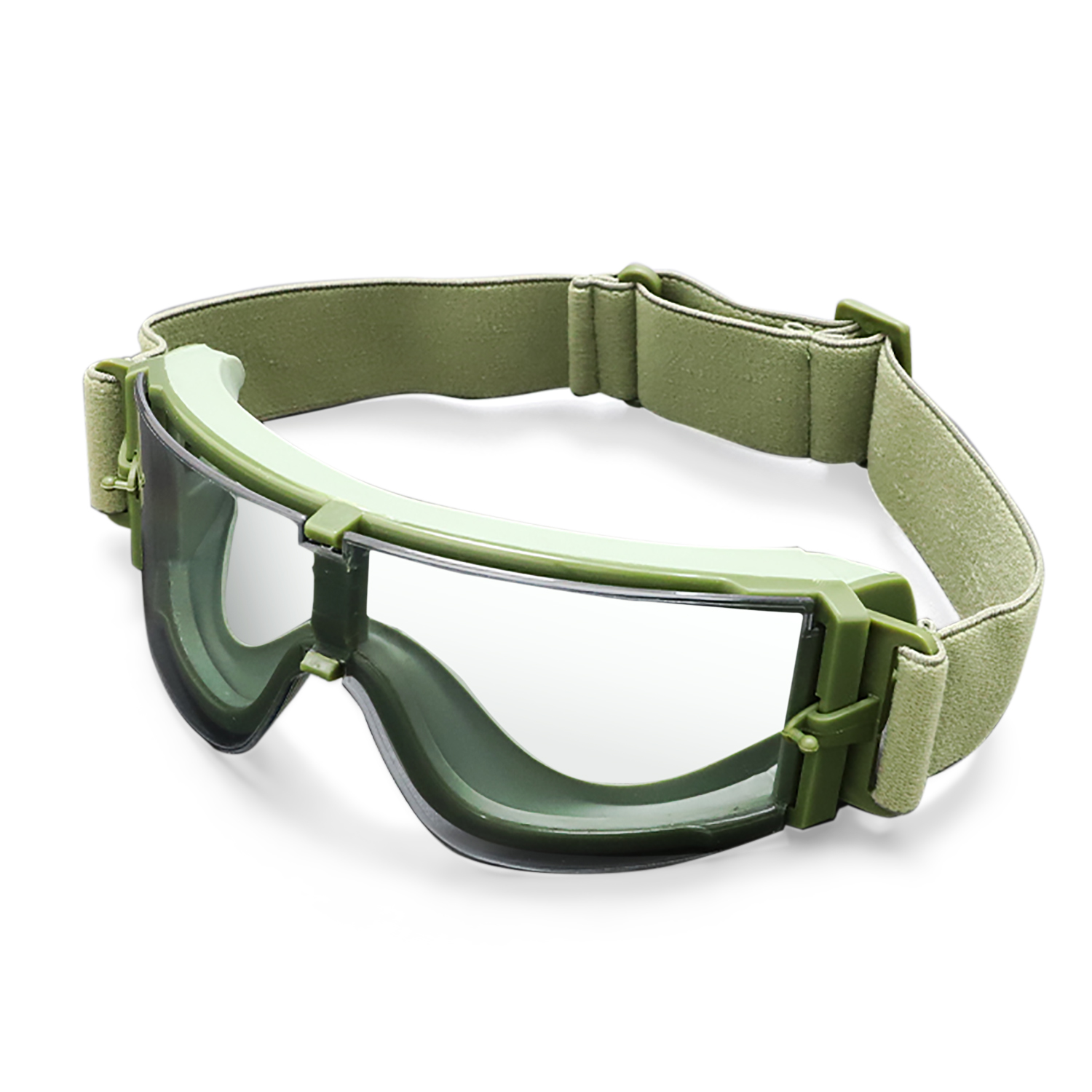
Comparative thesis: clearer trade-offs, faster decisions
When you compare protection, clarity, and field usability, the gap between commodity eyewear and high-spec systems is decisive. That’s why unit procurement officers and pro riders increasingly pick anti-fog tactical goggles—they reduce mission friction where every second and every sightline matter. This piece runs a tight comparison: what matters most, which trade-offs are hidden, and how YIJIA’s spec-grade approach shifts those trade-offs in practice.
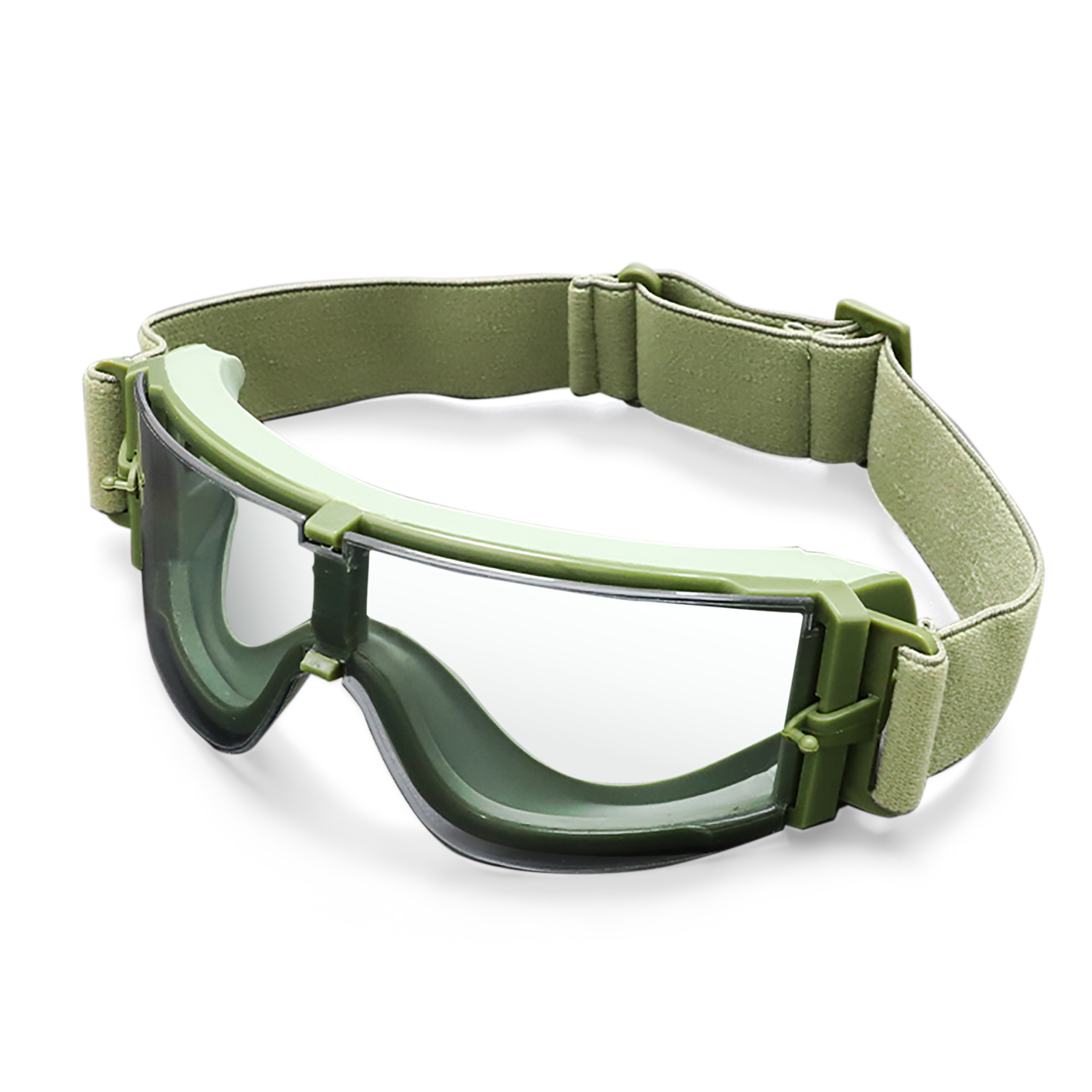
Core performance axes: what professionals measure
Top-tier buyers evaluate three concrete axes: impact protection, visual stability, and ergonomic continuity. Impact protection is often summarized as whether the lens is a ballistic-rated lens or not; visual stability is about anti-fog coating and breath-channel design; ergonomic continuity covers face-seal fit and compatibility with helmets or comms. Measured against these axes, spec-grade systems prioritize repeatable outcomes over marketing specs. That consistency matters for both a desert convoy and a hard-packed trail.
How YIJIA stacks up against alternatives
Compare a low-cost polycarbonate lens goggle and a spec-grade set: the cheaper option may pass a basic drop test, but it often fails under sustained particulate exposure or heavy perspiration. YIJIA’s units pair a robust anti-fog coating with a sealed face interface to keep particulate intrusion minimal—so the user gets sustained visibility rather than brief clarity followed by haze. Also consider OTG (over-the-glasses) compatibility and modular strap systems; those small details determine whether a goggle integrates into an operational kit or becomes a separate problem.
Real-world anchor: standards and field use
Standards like ANSI Z87.1 and NATO STANAG 2920 shape what “trusted” means in the field—and procurement tends to favor gear tested against these baselines. Units operating in dusty environments or maritime settings report fewer performance failures when equipment meets those standards. For example, teams deploying with gear certified to ballistic and anti-splash criteria saw measurable reductions in mission interruptions caused by eyewear fogging or seal failure during recent multinational exercises. That real-world correlation is why spec-grade investments pay off.
Common mistakes and practical alternatives
Buyers often chase a single metric—scratch resistance, say—and miss systemic failure modes. Mistake one: treating anti-fog as a label rather than a system that includes venting and fit. Mistake two: choosing thinner frames for weight savings without confirming helmet or comms compatibility. A practical alternative is to evaluate modular kits: swap-in lenses, replaceable face seals, and certification-backed components. Consider army spectacles built to withstand recurring impact and fog cycles—these are not luxury add-ons but reliability features. —A small aside: maintenance routines matter just as much as specs; clean with manufacturer-approved wipes and replace seals on schedule.
Three golden rules for evaluation (strategic metrics)
1) Performance under sustained stress: verify anti-fog effectiveness after 30 minutes of exertion with humidity above 60%. YIJIA’s coatings and vented face-seal are designed to meet that bar.
2) System compatibility: confirm helmet, comms, and prescription needs align. A goggle that forces kit rework increases total cost of ownership dramatically.
3) Test-backed durability: require certification references (ANSI or NATO) and cycle-test results for face-seal retention and lens impact. Prioritize components that are serviceable in the field—replaceable lenses and seals reduce downtime.
Final assessment and practical takeaway
Choosing tactical eyewear is a decision about predictable performance under pressure. YIJIA Optical’s spec-grade approach addresses the three key failure modes—fog, impact, and fit—so teams and riders get fewer interruptions and clearer mission execution. The brand’s focus on replaceable parts and tested coatings makes long-term ownership simpler and less risky. YIJIA Optical offers a practical solution grounded in standards and field experience—trustworthy gear that integrates into real kits, not another piece to manage. —Reliable equipment shortens the list of things that can go wrong.