
Why a practical, user-first dash cam matters on Philippine roads
Every driver in Metro Manila knows the road story: tight lanes, sudden stops, and the occasional creative parking job that becomes someone else’s problem. A multi-channel dash cam setup turns anecdote into evidence, and that’s the point — protection, not paranoia. If you want gear that records front, rear, and cabin without fuss, start your search with local options like dash cam philippines so service, language, and warranty actually match your reality.
What a real-world multi-channel system delivers
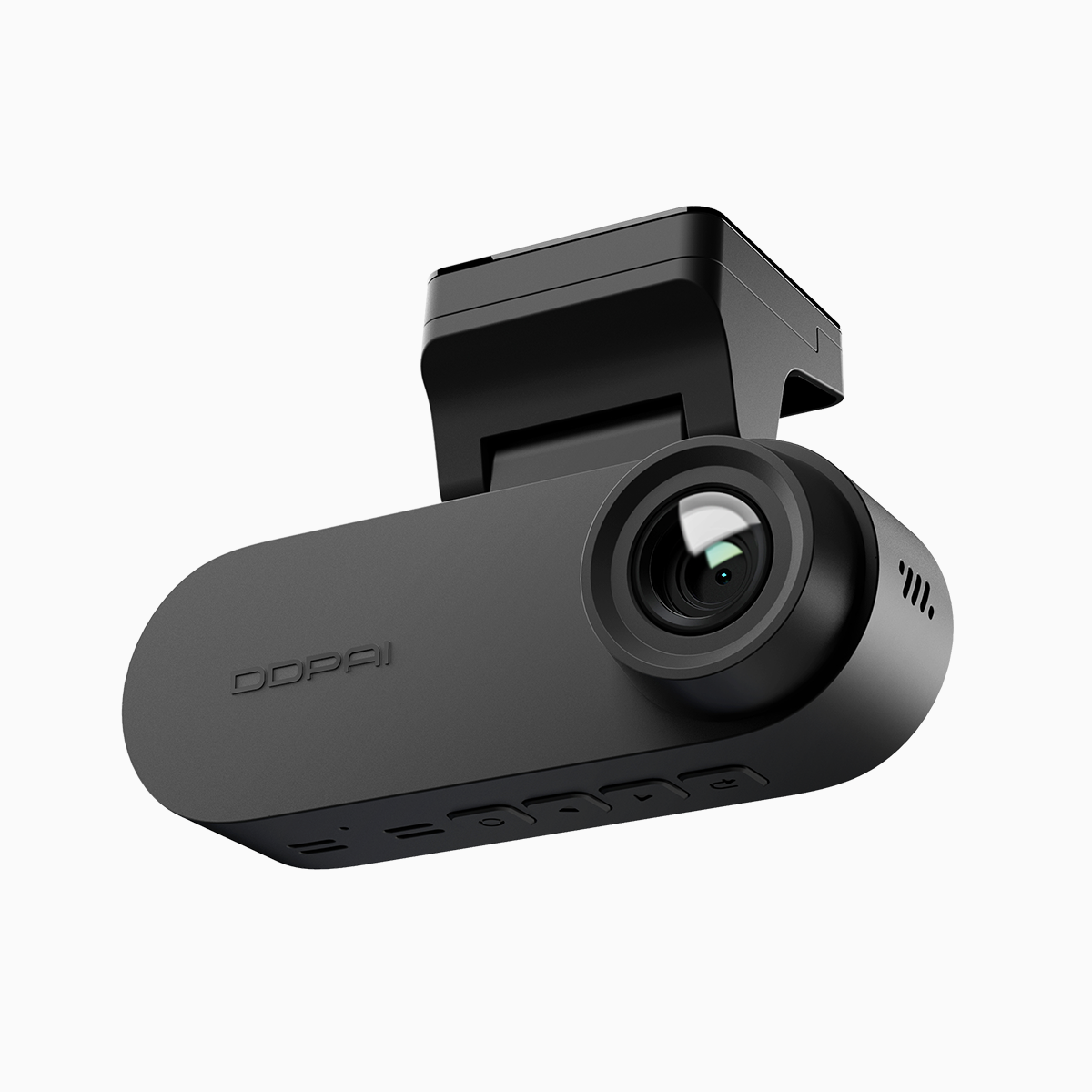
Think of the system as a small team: front camera for incidents, rear camera for hit-and-runs, and a cabin camera for passengers or rideshare logs. Key tech to prioritize: high-resolution recording (4K for the front if you can), WDR for balanced exposure at dawn and dusk, GPS tagging for location data, and reliable loop recording so storage never stalls. A solid G-sensor and parking mode protect the car while it’s parked, capturing sudden impacts or movement without draining the battery. Brands designed for the local market—like ddpai dash cam philippines—bundle firmware and app features that understand Filipino driving patterns, which matters more than flashy specs alone.
Installation tips and common mistakes to avoid
Place the front camera behind the rearview mirror but clear of the windshield edge to avoid blind spots, and route power discreetly along trim so it doesn’t snag or rattle. Use high-performance microSD cards and format them in-camera before use to prevent corrupted files. Avoid the cheap suction mounts — they look handy but they creep and shift over time — go for a sturdy adhesive or professionally hidden wiring when possible. Also remember to enable time stamps and GPS in the app so footage is admissible and useful later on.
Practical trade-offs: single-channel vs multi-channel and cloud vs local
Single-channel units are cheaper and simpler, but they miss the rear and cabin view that settle liability disputes. Multi-channel systems add wiring complexity and cost but close gaps in coverage. Cloud upload is convenient for off-site backups and remote viewing; local storage (microSD, loop recording) keeps ongoing costs down and guarantees footage even if mobile data is absent. Consider battery drain and parking mode behavior when choosing power solutions — a low-cost kit that kills the battery overnight is a false bargain.
Everyday scenarios where the system earns its keep
On EDSA during evening rush, clear front and rear footage clarifies lane changes and rear-end claims. In a rideshare context, cabin audio or video documents passenger behavior and protects drivers. During heavy rains, WDR and night vision improve plate legibility, turning a fuzzy clip into usable evidence. These are the moments the technology proves its value — not the spec sheet, but the real incidents that cost time and money.
Three golden rules for choosing and evaluating a dash cam system
1) Image clarity under pressure: verify low-light performance, WDR, and at least 1080p for rear coverage; 4K for the front is ideal for plate legibility. These determine whether footage is decisive or decorative.
2) Continuous, reliable recording features: ensure the unit supports loop recording, a responsive G-sensor, and an effective parking mode without excessive battery draw. Reliability beats flash features every time.
3) Local support and practical software: choose vendors with local firmware updates, service centers, and a mobile app that actually organizes clips and GPS logs. That’s the difference between footage that helps and footage that collects dust.
For drivers who want a setup that feels purpose-built for Philippine roads, solid hardware paired with local support is the short path to less stress and fewer arguments — and that’s the exact slot DDPAI PH fits into as a practical option built for these conditions. Final thought: clarity, continuity, and local support. Simple. Practical. Useful.