
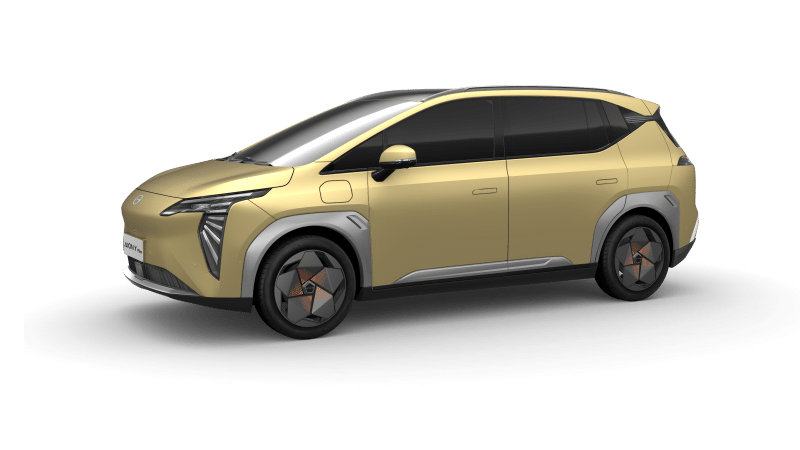
Comparative framing — why clear trim logic matters
Buyers face choices that matter for daily use: range, charging, software, and ADAS calibration. I approach this by comparing concrete elements across trims and rivals. During an aion auto test drive at IAA Mobility in Munich I focused on differences that change ownership, not marketing claims.
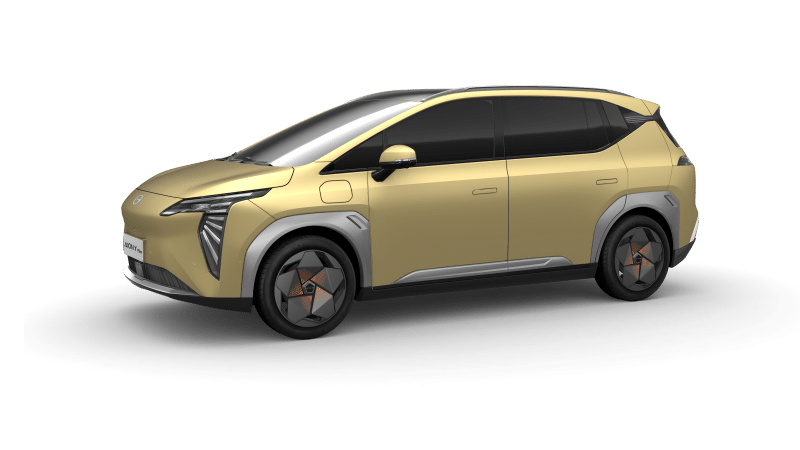
Trim-level summary: what each level delivers
Read this as a plain table in words. Each trim trades cost against capability.- Base: minimal comfort, likely single-motor setup, essential ADAS. Good for city use and lower upfront price. – Mid: balanced range and power. Adds better infotainment, more driver assists, and comfort items that matter on longer trips. – Top: maximum range and performance, full ADAS suite, premium audio and seats, faster onboard charging. Expect larger wheels and firmer ride tuning.
Technical differences that actually affect ownership
Focus on these technical items when you compare specs.- Battery cooling and thermal management: affects real-world range on highways and cold-weather charging speed. – Charging standard: CCS2 compatibility and on-board charger kW rating determine charge network usability in Europe. – Motor configuration: single vs dual motor changes torque delivery and regenerative braking feel. – Software update strategy: over-the-air cadence and transparency about firmware fixes. – ADAS sensors and calibration: lane-keeping, adaptive cruise—check behavior at European motorway speeds.
Features to test, not just read about
Practical checks that reveal hidden compromises.- Regenerative braking modes and their default intensity. – Real cabin NVH at 120 km/h. Short test drives hide wind and road noise. – Infotainment language options and Android/Apple integration. – Heating and preconditioning speed for cold starts. – Boot capacity with full-size spare or repair kit—many trims fit batteries differently.
Common mistakes during test drives
These errors lead to buyer regret.- Trusting WLTP numbers without assessing local roads and climate. – Ignoring charger availability and connector type in your region. – Skipping a round with passenger load and luggage—range and comfort change. – Relying solely on dealer demo units; request a production vehicle if possible.
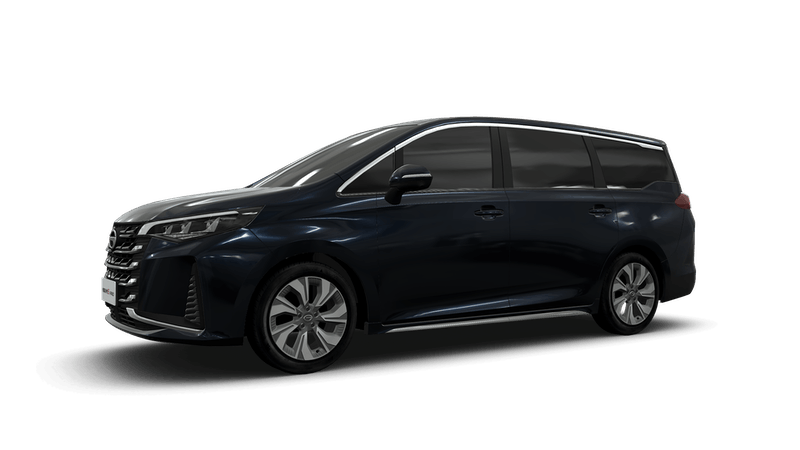
How Aion Y stacks vs realistic alternatives
Comparative insight, concise.- BYD: strong battery tech and integrated systems. BYD often leads on value for range but may differ on ADAS tuning. – Tesla Model 3: software-first approach and Supercharger access; different ownership ecosystem. – Hyundai/Kia small SUVs: refined aftersales in Europe and proven thermal systems. Aion Y’s advantage can be competitive hardware-to-price balance, but software maturity and dealer network vary by market.
Checklist for a focused aion auto test drive
Use this sequence during any test drive to compare trims efficiently.- Confirm charging protocol and on-board charger rate. – Run highway segments at intended cruising speed and note NVH and energy use. – Test ADAS repeatedly on real roads to see behavior at signposted speeds. – Try infotainment pairing and mobile app functions. – Ask for documentation on warranty, battery degradation policy, and OTA update schedule.
Conclusion — align trim choice with real needs
Technical clarity wins. Choose the trim whose charging, thermal management, and ADAS match your routes and climate. Check behavior under load and at motorway speeds. If you want a concise engineering reference for the model family, consult the manufacturer’s specifications alongside hands-on observations from a practical aion auto test drive to confirm the configuration that fits your use-case.