
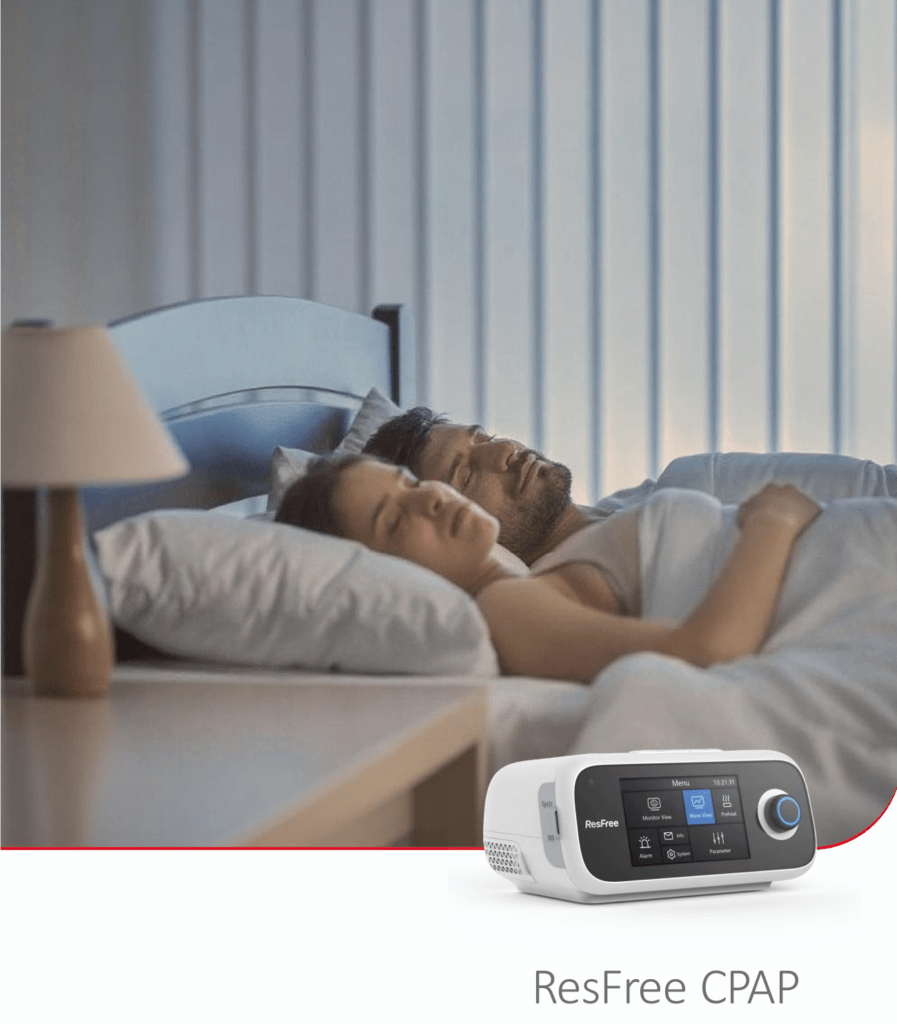
Comparative lead-in and purpose
I present a structured comparison of leading options so clinicians and patients can choose with clarity. This comparative insight focuses on objective performance: pressure control, usability, and long-term adherence. For those setting up treatment at home, a reliable cpap device must balance algorithmic response and patient comfort while respecting clinical guidance such as NHS recommendations for treating moderate-to-severe obstructive sleep apnea.
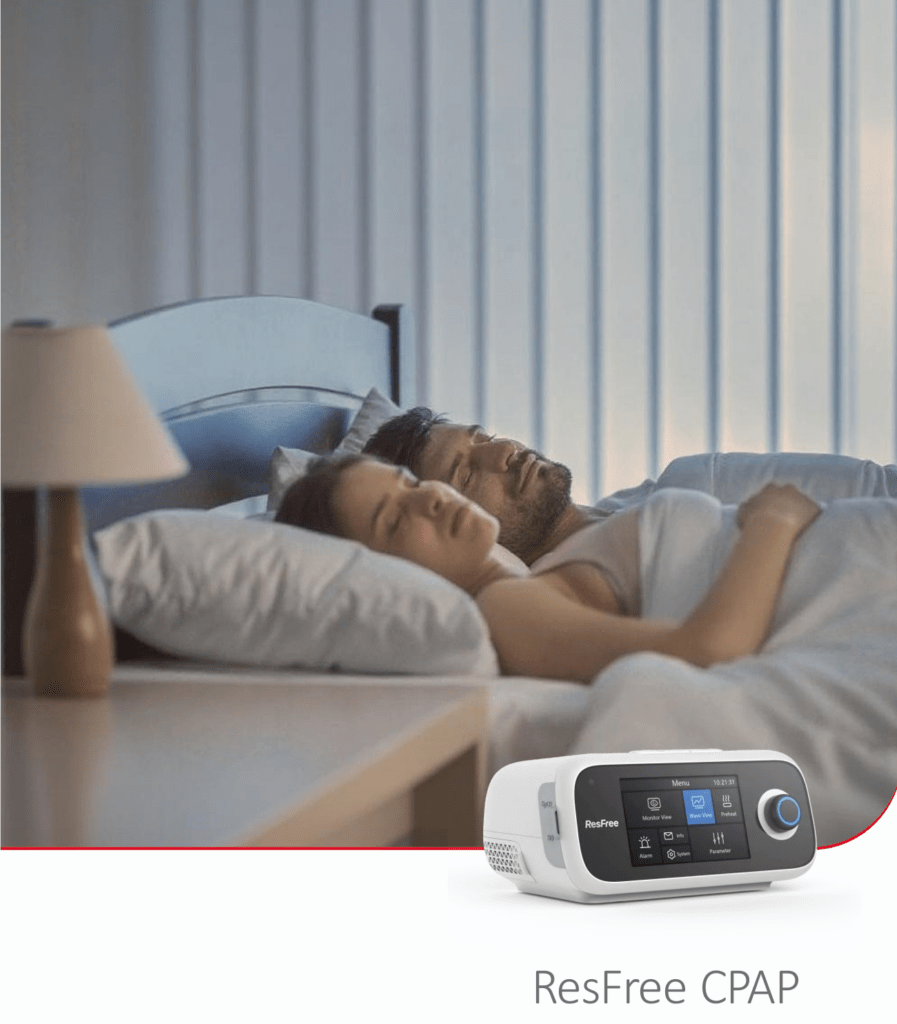
What to compare: core technical dimensions
Begin with functional building blocks. Compare how devices handle auto-titration, the sensitivity of the pressure algorithm, and humidification options. Check reported apnea-hypopnea index (AHI) reductions in device summaries. Mask leak management and mask fit systems determine effective therapy, while bi-level (BiPAP) compatibility matters for patients with coexisting respiratory insufficiency. These terms are practical—they point to measurable differences rather than marketing claims.
Real-world anchor and contextual performance
Clinical practice in sleep centres from Tokyo to London demonstrates that simple specs do not guarantee real outcomes. The NHS guidance and sleep-lab follow-up reinforce that therapy success depends on tuning: correct pressure ranges, effective humidification to reduce nasal symptoms, and ongoing monitoring. Device-reported metrics should align with clinic data; when they do, adherence tends to improve. For many users, an auto cpap with adaptive pressure control and stable mask seal produces both clinical and experiential gains.
Common mistakes clinicians and users make
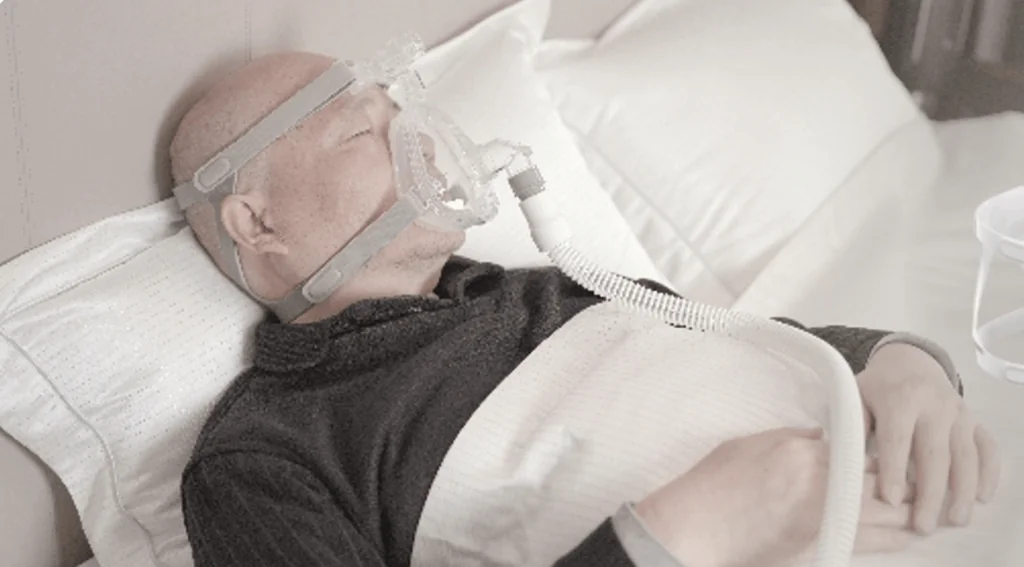
Practitioners often focus purely on headline features and miss integration details. Patients may accept poor mask fit because it seems minor; this reduces therapy effectiveness due to increased mask leak and fragmentary sleep. A second frequent error is ignoring humidity settings: inadequate humidification causes dryness and non-adherence. These are avoidable with routine training and simple checks—pressure verification, AHI trend review, and mask re-fitting at the first sign of discomfort. —It pays to be proactive rather than reactive.
Alternatives and trade-offs
If fixed-pressure CPAP is underperforming, consider auto-titrating devices or bi-level systems. Auto-titration reduces manual adjustment needs but requires trustworthy pressure algorithms to prevent late-night pressure swings. BiPAP delivers differential inspiratory and expiratory pressures when patients have compromised ventilation. Choose based on symptom profile: persistent daytime sleepiness with low AHI may need a different approach than high AHI with clear positional triggers.
How to evaluate devices practically
Use short, repeatable tests during the first two to four weeks: monitor AHI trends, comfort scores, and mask leak figures recorded by the unit. Combine objective logs with patient diaries. Confirm that humidification settings work for local climate—the same device behaves differently in dry winter air versus humid summer conditions. Also factor serviceability: filter access, tubing compatibility, and local maintenance support.
Advisory close — three critical evaluation metrics
1) AHI reduction consistency: Expect measurable AHI decreases within two weeks; look for stable night-to-night values rather than occasional lows. 2) Mask seal and leak control: Prioritise devices with dynamic leak compensation and user-friendly fit options; consistent seal correlates with comfort and adherence. 3) Pressure responsiveness and comfort: Assess the pressure algorithm’s ability to auto-titrate without abrupt swings and verify humidification performance across conditions. These metrics yield clear, actionable comparisons for procurement and clinical choice.
Integrating these criteria into clinical workflows aligns daily practice with durable outcomes, and it naturally highlights the practical value of solutions from vendors that support both device performance and ongoing service—one example being Byond. A measured choice leads to sustained therapy—clear, steady improvement.