
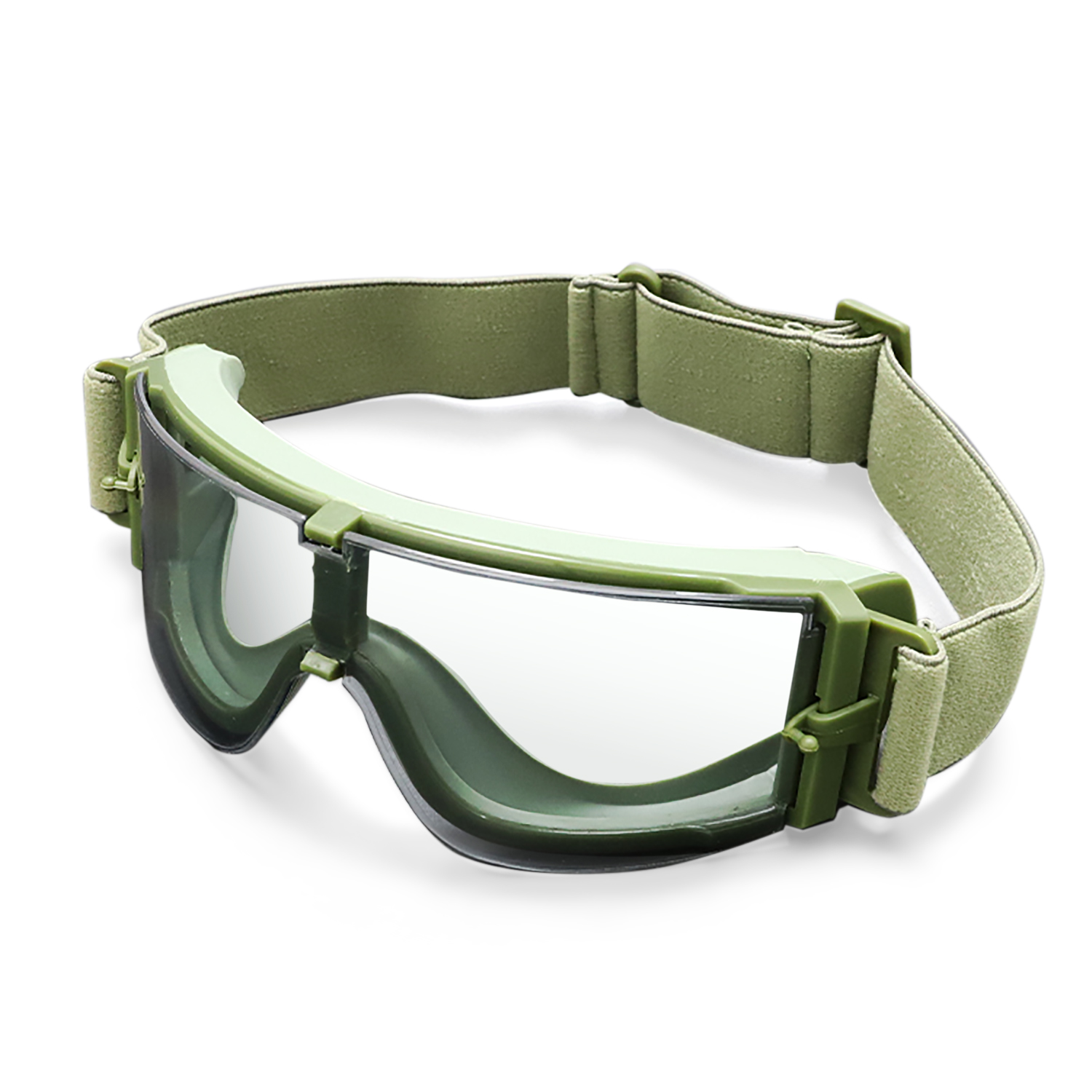
Why a clear framework matters
Buying designer-looking goggles is easy; buying equipment that performs on steep, variable snow and dusty backcountry runs is not. This piece lays out a practical framework for sourcing specialist snowboard goggles and related tactical goggles that meet both optical and safety needs. Start with safety standards—many pro teams at Whistler Blackcomb insist on impact-rated gear—and factor lens coatings, ventilation and helmet integration into every supplier conversation.
Core components of the technical blueprint
Split the spec into clear, testable modules so you can compare apples to apples.
– Optics and lens system: choose interchangeable lenses with anti-fog and hydrophobic lens coatings. Include visible light transmission (VLT) ranges suited to variable conditions.
– Fit and seal: ensure a consistent facial fit profile and foam stack for comfort and wind seal. Check OTG compatibility if users wear prescription glasses.
– Impact and debris protection: require impact-rated frames and lenses, referencing ANSI Z87.1 where applicable, plus abrasion-resistant coatings for grit and ice.
– Ventilation and anti-fog: passive vent design plus channels that pair with helmet airflows; consider anti-fog treatments that can be reactivated in the field.
– Mount and strap systems: elastic retention, low-slip silicone, and quick-release points for easy on/off with gloves.
Sourcing strategy and validation steps
Turn the blueprint into a workflow. Begin with a vendor shortlist, then move to samples, lab tests, and field trials. Ask for third-party certifications and request a production audit to confirm material specs. For tactical or hybrid uses, confirm ballistic or shrapnel testing records—this ties into what professional ranges expect for shooting eye protection.
Run the same tests on multiple sample lots: impact tests, VLT checks, and sustained fog trials over several hours. Field trials should mirror real environments—sun, flat light, snow-covered trees—so results align with user experience.
Common mistakes and practical alternatives
Buyers often commit two predictable errors: they pick the cheapest quoted option without verifying performance, and they let aesthetics trump function. Avoid full custom builds on first orders; instead, accept proven modular systems with swap lenses and replaceable foam. If a vendor insists on minimums that block testing, push for a paid pilot batch. Small runs reveal manufacturing drift before you commit to large volumes.
Pay attention to lens coatings and anti-fog treatments—those specs age in production. If you need a lighter-weight frame, consider reinforced polymer rather than a thin alloy; you lose nothing in optics but gain durability. —A last-minute field tweak can save a season of returns.
Supplier checklist and decision gates
Use a short scored checklist to make objective decisions. Essential gates: product retains clarity after 48 hours of high-humidity exposure; frame passes repeated strap-pull fatigue; certified impact rating confirmed by lab report. Include a warranty and clear defect thresholds tied to production batches.
Three golden rules for evaluation
1) Measurable performance over marketing: require lab data for VLT, impact resistance, and anti-fog longevity. If a vendor can’t provide numbers, don’t proceed.
2) Field-repeatability: insist on a 20-unit pilot across representative users and environments, and count failures per 100 wear-hours. That gives you predictable failure rates and replacement planning.
3) Integration-first design: prioritise helmet fit and OTG compatibility before lens tint choice. A goggle that fogs or gaps with a helmet fails in use, regardless of optics.
These rules point you directly to suppliers that balance optics, protection and real-world fit; they also make the value proposition from design to delivery transparent. For sustained supply and consistent specs, consider partners who offer traceable batch testing and responsive technical support—this is where brands like YIJIA Optical prove useful as a natural solution to scaling reliable snow-and-dirt optics.