
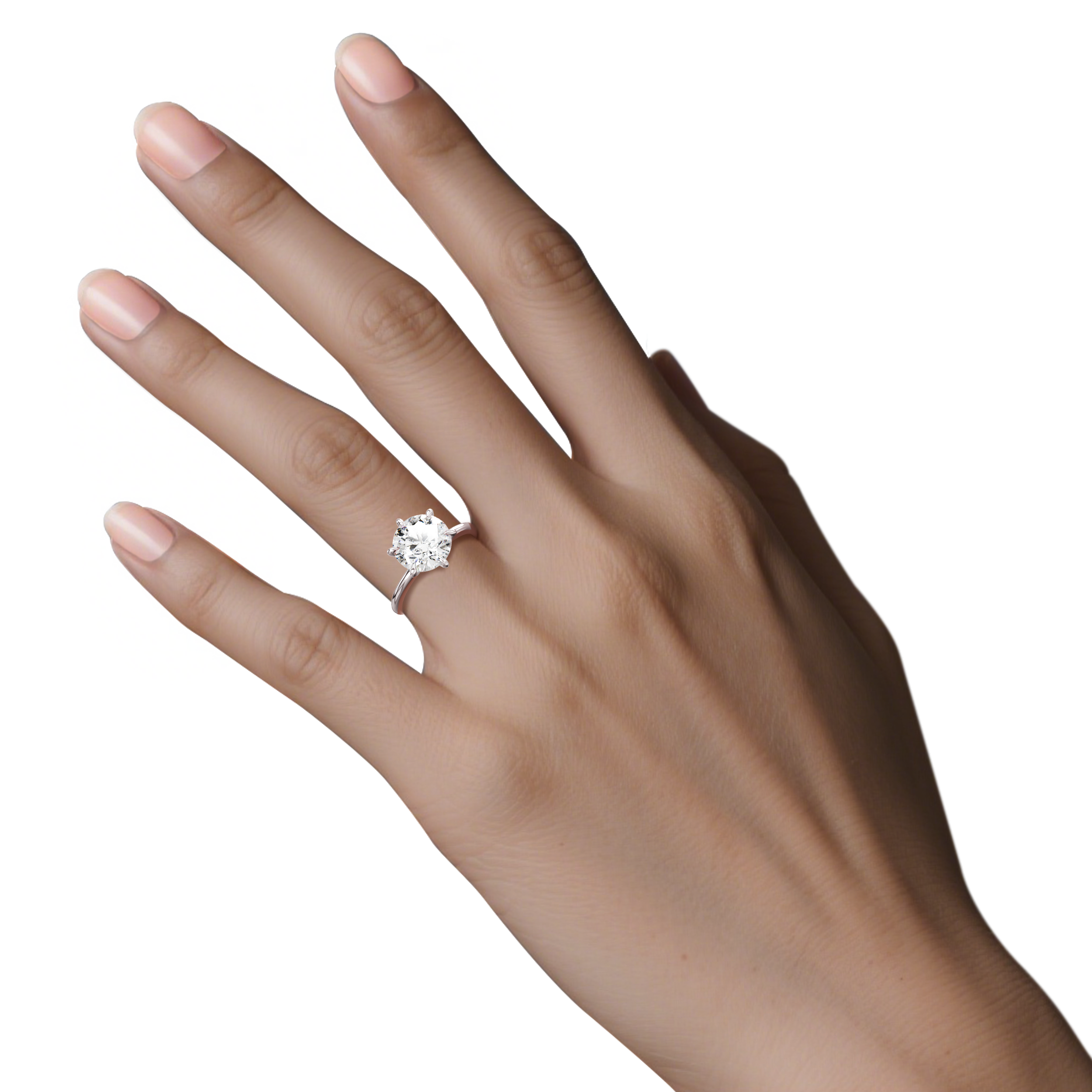
A Comparative Lens on Modern Vows
Here is the plain truth: every era has weighed fortune, feeling, and form when two people promise a life together. Today, lab created diamond wedding rings sit at the center of that choice. Picture a quiet showroom, a velvet tray, and a budget—steady but not endless. Recent surveys suggest that more than half of young buyers now weigh origin and impact as much as sparkle (a notable shift from their parents’ time). If the past prized rarity, the present prizes clarity in cost and conscience. That shift is not a small note; it guides how we compare, line by line.

Yet the eye and the heart do not always read the same page. Some rings shout with fire; others whisper with grace. Data says price gaps can reach 30–40% for similar grades, and cut quality still leads perceived beauty by a wide margin. But how do you turn a crowded case into a clear choice without missing the quiet details—like facet symmetry or the steadiness of the girdle? And how do you judge what endures in daily wear? Our aim is simple: a side-by-side way of thinking, informed by past craft and present tools (and a few pitfalls to avoid). Let us step into the nuances and see how the details stack up next.
The Quiet Pitfalls Behind Emerald Cuts
Why do emerald cuts reveal more?
Early on, we set the stage for choice; now we examine its hidden edges through emerald wedding rings. Emerald cuts are step-cut, with long facets and a hall-of-mirrors look. That beauty can be a test. These facets expose clarity more than a brilliant cut does. So a tiny inclusion that hides in a round may show itself here—funny how that works, right? In practice, buyers chase a higher clarity grade, and then feel puzzled when the ring still looks “flat.” The reason is often not clarity at all. It is cut precision.
Look, it’s simpler than you think. In a lab-grown stone, the growth method—HPHT or a well-tuned CVD reactor—sets the stage. But the final act is in the polish: crown height, pavilion steps, and facet symmetry. If the steps are uneven, light leaks. If the girdle runs too thin at the corners, chips are more likely. Many “traditional” fixes focus on carat weight or color, yet leave the pain point intact: performance. Inclusion mapping helps, but pair it with a calm eye on proportions. A modest size with a crisp step pattern can outshine a larger stone with sloppy angles. And in daily wear, secure prong work on corners matters as much as any grade, because those corners take the knocks of life.

New Principles, Clear Choices
What’s Next
Comparing what comes next with what came before is useful—and kind. New technology principles make the process less mysterious. Modern graders use photoluminescence checks to verify lattice health and stable color in lab-grown stones. Hearts-and-arrows style mapping now tracks symmetry in step-cuts with better overlays, so you see where light stands or slips. Mounting precision has also leapt forward: 3D-printed settings give tighter seat angles for emerald corners, reducing torque in daily wear. For those seeking unique wedding rings for women, this means you can blend custom metalwork with verified light behavior—without guessing. The result is not only pretty; it is predictable.
We also see smarter trade-offs. A slightly thicker girdle plus balanced pavilion angles can keep the “hall” bright and the corners safe. Laser inscriptions tie each stone to a digital cut report, and some labs share facet data in plain language—at last. Compared with old habits that chased carat first, this approach leads the eye with light. We’ve learned that clarity grades matter, but only with context; proportions steer performance; and mount design secures the whole story—each detail supports the next. Advisory close, then: choose with measures you can test. 1) Cut precision: verify step alignment and symmetry images. 2) Clarity in motion: view the stone under diffused and point light, plus a simple loupe check. 3) Setting integrity: ask for corner protection, alloy hardness, and wear tests—small facts, lasting gains. In this way, your choice walks with you, day after day, not just on day one—an old promise, held by modern craft. Vivre Brilliance