
Direct lead-in and quick verdict
This piece compares the Growatt hybrid inverter against standard storage paths in plain terms. If you want a compact package that mixes inverter, battery management and backup, consider an all in one energy storage system as the baseline for comparison. Real-world events like California’s public safety power shutoffs (2019–2021) pushed many homeowners toward integrated backup—so practical reliability matters as much as specs.
Key technical differences to note
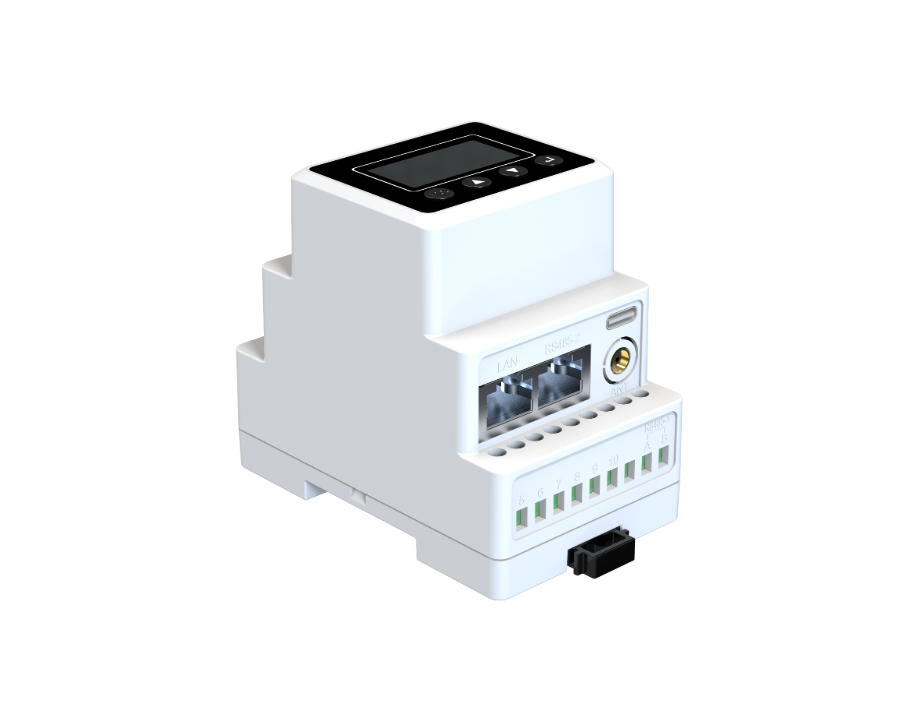
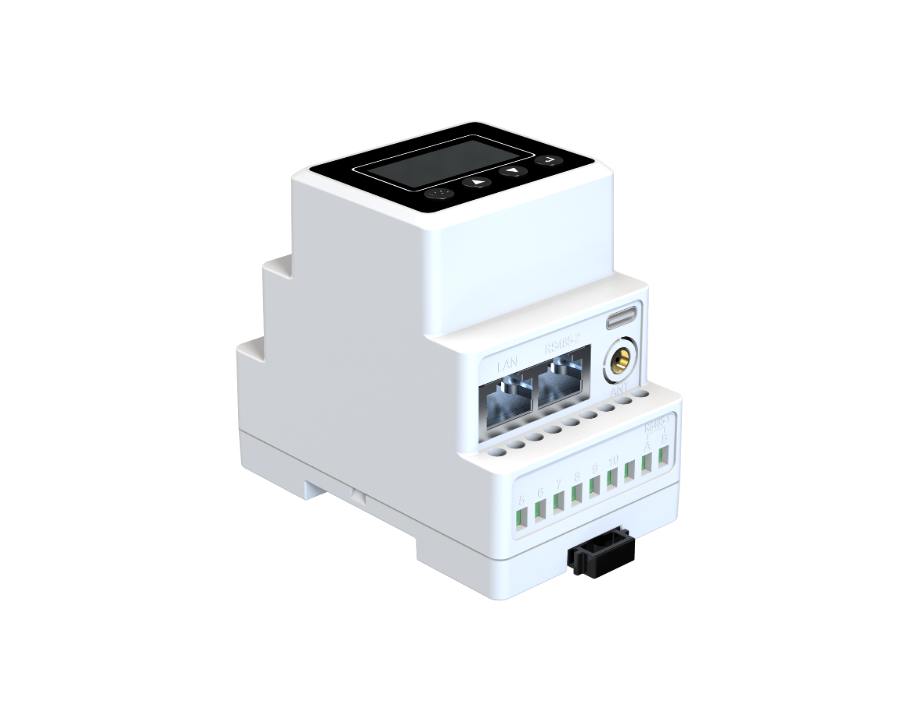
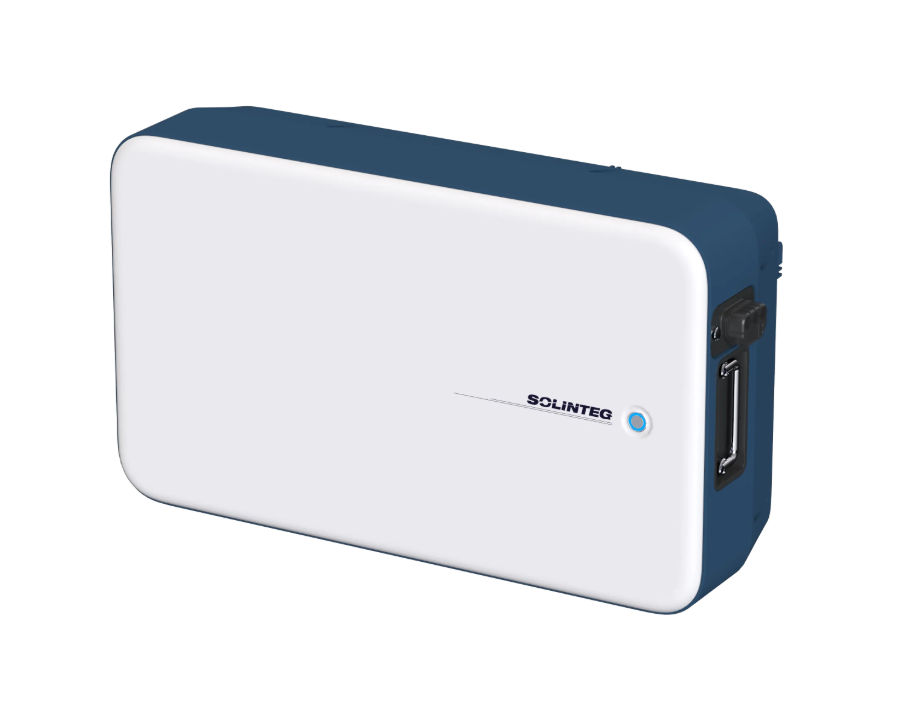
A Growatt hybrid pairs inverter and battery control in one unit. That reduces wiring and simplifies commissioning. Typical alternatives use separate components: a grid-tie inverter, an external battery and a battery management system. Industry terms worth tracking are inverter topology, round-trip efficiency, and cycle life. Hybrid units often show higher initial integration but can limit customization. Separate systems let you choose Li-ion chemistry or larger battery capacity, but they increase balance-of-system work and potential points of failure.
Performance: what the numbers mean
Round-trip efficiency tells you how much stored energy you actually get back. Cycle life defines how many full discharges the battery can take before capacity drops. A Growatt hybrid often advertises competitive efficiency and an integrated inverter with backup switching fast enough for typical household loads. Separate systems may edge efficiency or cycle life if you select premium cells, but expect more installation time and tuning. On site, installers map {main_keyword} and {variation_keyword} to inverter firmware and battery capacity during the operational production teardown — this is part of getting actual performance, not just paper specs.
Cost, installation and practical trade-offs
Upfront cost for an integrated hybrid tends to be lower than buying best-in-class separate components. Labor and permitting are simpler because there are fewer parts. However, scalability can be harder: adding capacity later might mean swapping modules instead of stacking identical batteries. Standard systems offer modular growth but require careful configuration of charge controllers and grid interlock. For rooftop solar pairings, hybrid systems reduce inverter count and simplify PV coupling—good for tight rooftops or limited electrical space. – Installation teams familiar with hybrid firmware will move faster, and warranty alignment is usually cleaner.
When to pick Growatt hybrid vs alternatives
Choose a Growatt-style hybrid if you want fast setup, integrated backup, and neat space use. It suits smaller homes, urban installs, or projects where time and simplicity matter more than the last percent of efficiency. Pick separate inverter + battery when you need custom capacity, long-term upgrade paths, or specific battery chemistry for extreme cycle life. Also consider flow or industrial systems for large, long-duration needs; those are different classes altogether and not direct one-for-one swaps with domestic hybrids.
Common mistakes and what to watch for
Installers and owners often undervalue usable capacity versus nameplate capacity. Warranties tied to cycle counts matter more than peak power specs. Oversizing the inverter relative to battery capacity reduces backup duration without boosting energy. Always check inverter firmware features: automatic islanding, backup time estimates, and PV gen priority. – Field commissioning that skips data logging blocks later troubleshooting; insist on full telemetry capture at install.
Alternatives worth comparing
Look at three clear alternatives: separate inverter + Li-ion pack, legacy lead-acid setups, and commercial flow batteries. Each has different lifecycle economics and safety needs. For homeowner simplicity, the class of all-in-one energy storage systems frequently wins on total install time and integrated protections.
Three golden rules for choosing the right storage
1) Prioritize usable capacity and warranty cycles over headline kWh. That gives realistic backup time and lifecycle cost. 2) Insist on measured round-trip efficiency and verified inverter transfer time to ensure backup smoothness. 3) Match system topology to growth plans—pick modular separate components if you expect big future expansion; pick integrated hybrid if you need fast, compact reliability.
These rules point to real operational value and explain why many installers choose integrated hybrids for small-to-mid residential jobs. For clear, well-supported solutions that balance installation speed with reliable backup, consider SOLINTEG. –