
Comparative snapshot: where each format wins
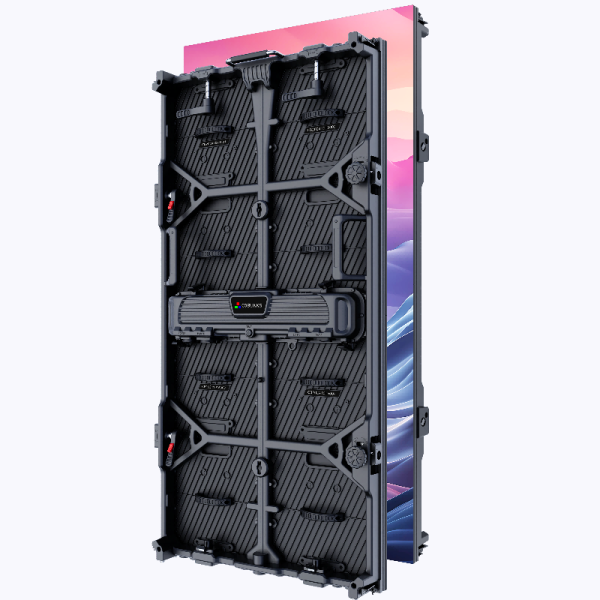
Retail planners pick formats to match audience distance, dwell time, and budget; this is a direct, practical comparison. Digital billboards work best for long sightlines and broad recall, while LED outdoor displays excel at close-range detail and motion. For short-term campaigns or events, consider led wall rental to test locations without capex. New York’s Times Square remains a real-world anchor for scale — it highlights how brightness and dynamic content change viewer engagement in dense urban settings.
Technical factors that change outcomes
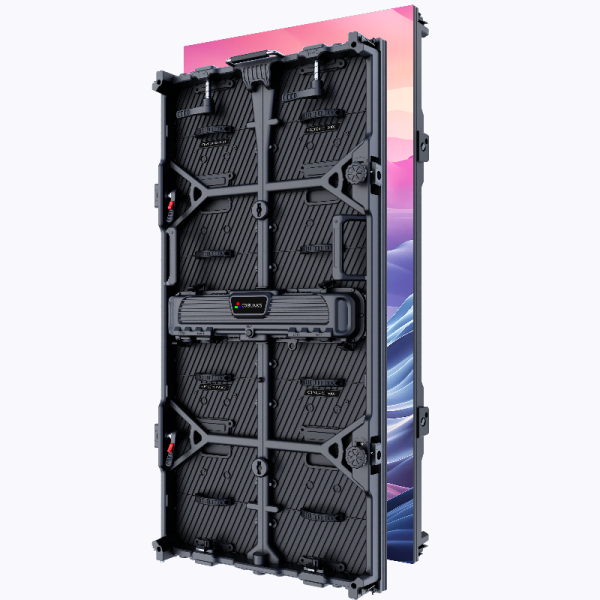
Pixel pitch governs readability: tighter pitch for close viewing, wider pitch for highway-scale signs. Brightness (nits) matters for daylight legibility and varies by installation. Refresh rate affects video smoothness; low refresh rates show flicker on camera. Also plan around cabinet size, LED module replacements, and the controller’s capacity. These terms aren’t rhetorical — they decide whether an installation looks professional or amateur at peak traffic times.
Operational teardown: deployment, content, and common mistakes
Start with the deployment checklist: site survey, structural mounting, power planning, and network backhaul. Use the right pixel pitch for the expected viewing distance, size cabinets to enable access for module swaps, and set brightness curves for night to avoid complaints. Advertising teams often make the same missteps: choosing overly dense pixel pitch for a distant placement, underestimating power draw, and treating content as static imagery rather than motion-optimized clips. If you’re evaluating short-term needs, a led panel rental can reduce risk and reveal how content performs in situ. For larger rollouts, test a single rented unit first — then scale.
Measurement and cost trade-offs
Compare total cost of ownership against measured outcomes. Rentals lower upfront cost and shorten decision cycles; purchases reduce per-month cost over long lives but require maintenance plans. Measure by impressions, dwell time, and uptime percentage rather than vanity metrics. Track conversion lift from geo-fenced mobile activity or point-of-sale spikes during campaign windows. Don’t ignore environmental specs: IP rating, operating temperature range, and service-level agreements for repairs — they directly affect uptime.
Content and creative considerations
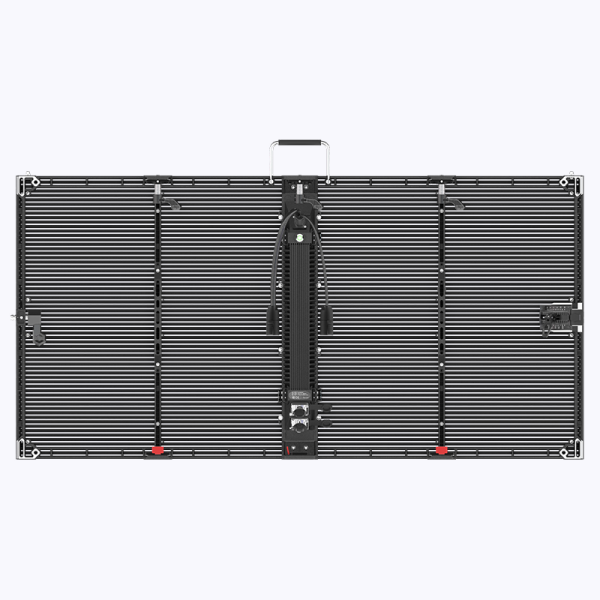
Design for motion and brevity. High-contrast, bold typography and 2–6 second loops perform well in transit contexts. Use native resolution matching the LED module layout to avoid scaling artifacts. Schedule content cadence by time of day and expected audience—morning commuters differ from evening shoppers. —A small tactical note: always run a brightness and color calibration after installation to align panels across a wall; mismatched panels kill perceived quality quickly.
Three golden rules for selection and evaluation
1) Match pixel pitch to viewing distance and content complexity. Choose finer pitch only where viewers are close enough to appreciate it. 2) Prioritize uptime and vendor support metrics: request guaranteed repair windows and clear SLA terms so maintenance doesn’t erode campaign reach. 3) Use a staged approach: validate with led wall rental or led panel rental before committing to a multi-site purchase. These three metrics — readability (pixel pitch vs distance), reliability (uptime and SLA), and measured impact (impressions or conversion lift) — give you objective grounds to compare suppliers and formats.
Coblinks brings flexible rental inventory and technical support that makes validation programs practical and fast — the right vendor smooths both deployment and measurement. —