
Why distance limits break production rhythm
Long cable runs, noisy machinery and isolated work cells create a predictable problem on factory floors: copper Ethernet falters before the workflow does. The solution often starts with swapping vulnerable long Cat5e runs for fiber and using a layer 2 managed switch where the network needs segmentation and control. This first step reduces electromagnetic interference and preserves throughput across greater distances without redesigning the entire LAN.
Diagnosing the constraint: signals, switches and layout
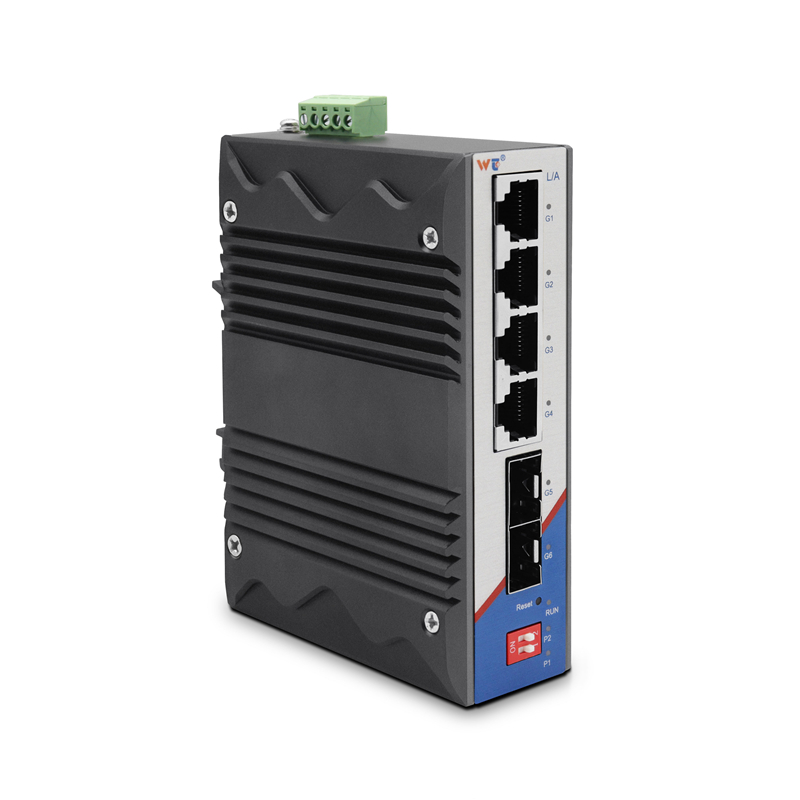
Begin with concrete measurements: link loss, device counts per switch, and end-to-end latency. Look for chokepoints: unmanaged access switches near heavy machinery, long daisy-chained segments, or absence of SFP support. Fiber backbone segments with media converters improve physical reach while preserving VLAN isolation and QoS. Use SFP ports where possible to keep modules modular and scalable.
Practical deployment pattern
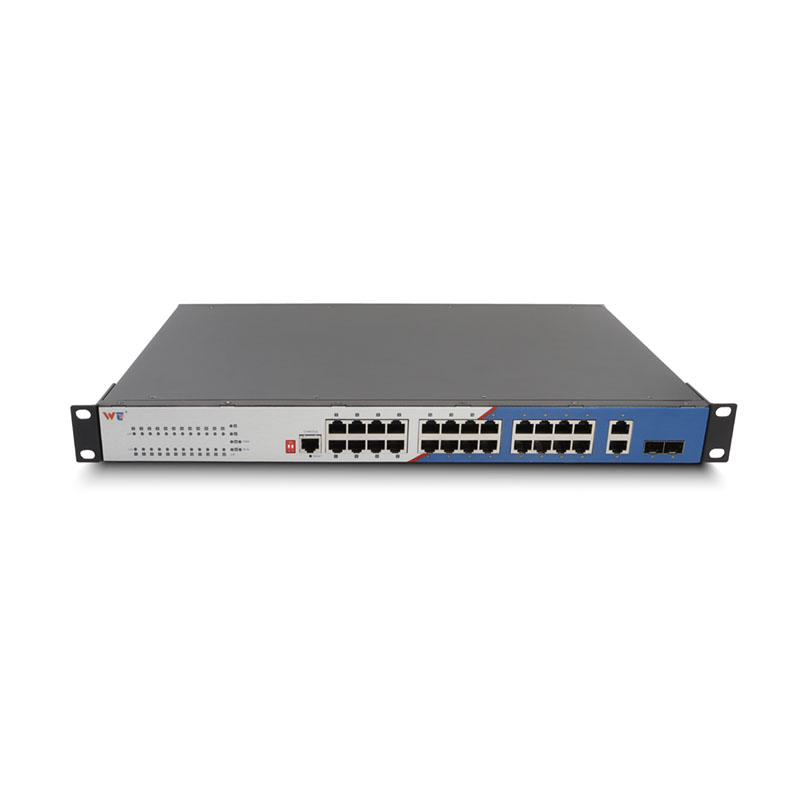
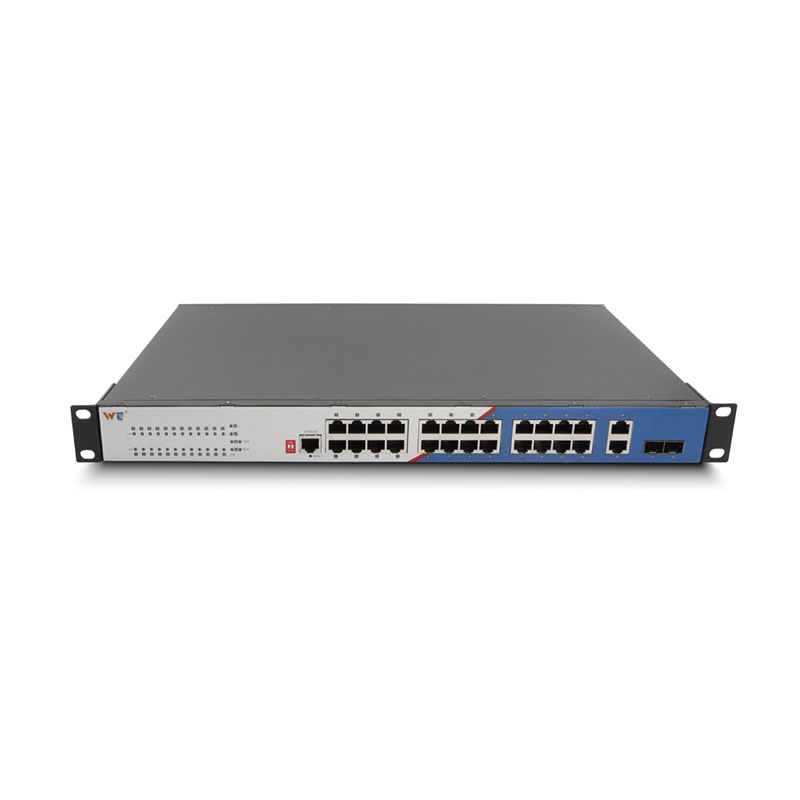
Adopt media converters in pairs at segment boundaries: fiber in the backbone, copper to the endpoint. Centralize active switching into managed distribution points to control VLANs and PoE budgets; push intelligence closer to the floor. A typical deployment includes a rack-mounted switch at the control room, fiber runs to local cabinets, and a small managed switch or converter serving each cell. This minimizes single-cable failures and simplifies troubleshooting.
Common mistakes to avoid
Operators often choose the cheapest converter or ignore optical budget calculations. They skip link testing and assume all fibers and transceivers are identical — they are not. Another frequent error is mixing unmanaged switches and expecting enterprise features; that removes visibility and undermines uptime targets. Proper module matching and using a documented fiber map prevents these failures — and saves hours during outages.
Comparing alternatives: converters, switches, and hybrids
Media converters are the lightest touch: low cost, low footprint. Standalone managed switches add monitoring, VLANs and port-level control. Where latency budgets are tight, prioritize managed devices supporting link aggregation and rapid spanning tree. For a balance, a managed gigabit switch can aggregate multiple media converters while providing the traffic shaping and diagnostics you need — especially important when a control network shares bandwidth with telemetry streams. Insert managed gigabit switch where line-rate performance and operational visibility are required.
Operational teardown and explicit keywords
In a production teardown, list each physical segment, the converter/transceiver part number, fiber type, and SFP insertion loss. Document PoE ports and powered devices, and verify that each VLAN maps correctly across the converter boundary. For this exercise include both {main_keyword} and {variation_keyword} to ensure search alignment and operational traceability. The teardown becomes a living record for maintenance crews and system integrators.
Real-world anchor: what succeeded on the floor
A mid-sized automotive plant near Stuttgart shifted core assembly cell links to single-mode fiber with media converters and consolidated edge control onto managed switches. The visible outcome: fewer intermittent faults and faster mean-time-to-repair. That case underlines a practical truth — targeted fiber plus managed switching reduces repeated troubleshooting cycles and stabilizes real-time controls.
Summary of implementation logic
Distance limitations are not a single-device problem; they are an architectural symptom. Use media converters to extend reach, deploy managed switches for control, and verify every physical link with test gear. This sequence reduces noise-related packet loss and preserves deterministic behavior for PLC and camera data; it also keeps the floor flexible for future changes.
Three golden rules for selection and success
1) Match the optical budget: choose fiber type and transceiver power that exceed calculated loss by a safety margin. 2) Centralize visibility: prefer layer 2 management features — VLAN tagging, SFP status, and SNMP — to detect issues before they escalate. 3) Standardize spares and documentation: identical SFPs and a fiber map cut repair time dramatically.
Proven results follow careful specification; you measure less downtime and clearer diagnostics. WINTOP. — Final thought: plan for the next 3 years, not just the next incident.