
The problem that trips teams up
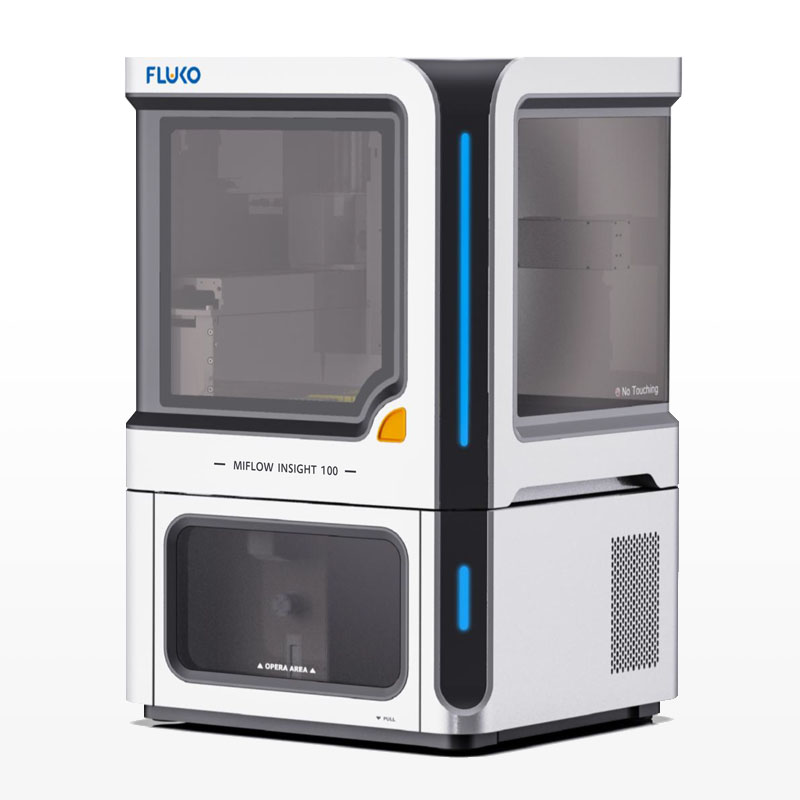
You need equipment that does one job: deliver repeatable mixes at scale. Vague specs and optimistic vendor brochures wreck timelines. Pick the wrong manufacturer and you scramble through redesigns, lost batches, and angry stakeholders. Start by calling out the exact unit you’ll test or scale—many teams begin with high shear batch mixers as their baseline because they tightly control particle size and emulsion quality; that clarity saves time when comparing bids.
Pin down the process gap
Name the failure modes. Will the mix separate under heat? Is shear-sensitive chemistry at risk? List performance targets: target droplet or particle size, allowable particle distribution, maximum solids loading, temperature window, cycle time, and scale-up factor. Specify whether you need closed processing, CIP, or ATEX-rated electricals. Don’t guess viscosity—measure it. Don’t skip heat-transfer needs. Those two items decide vessel design and motor sizing more than anything else.
Write specs that force answers
Demand numbers. Motor power and torque curves at operating speed. Impeller type and tip speed. Rotor–stator clearance and maximum shear rate. Vessel geometry, wall thickness, and finish (Ra). Material of construction with traceability for welds and certificates. Control architecture: PLC brand, recipe storage, and data export format. FAT criteria and acceptance thresholds. Required certifications and validation support. Concrete specs are a pressure test—manufacturers either answer or they don’t.
Common pitfalls and viable alternatives
Teams routinely accept vendor lab runs without scaled replicas. They copy paste nominal flow rates and ignore shear history. They skip maintenance access and spare-part lists. Alternatives worth evaluating: inline high-shear units for continuous runs, rotor-stator vs. toothed rotor designs for aggressive emulsions, ultrasonic homogenizers for nano-emulsions, and static mixers for low-viscosity blends. Each alternative shifts the tradeoffs: cost vs. control, footprint vs. scalability, maintenance vs. uptime. Match the device class to the failure mode you listed earlier.
How to separate claims from proof
Ask for reproducible data: scaled performance charts tying rpm to particle size, FAT videos that show the actual target formulation, and at least two references with onsite contact info. Require dimensional CAD of the delivered assembly and a spare-parts matrix with lead times. Schedule a witness test for critical points. Confirm local service capability and average response times, not marketing promises. Put warranty terms and performance penalties into the purchase order.
Real-world anchor and experienced perspective
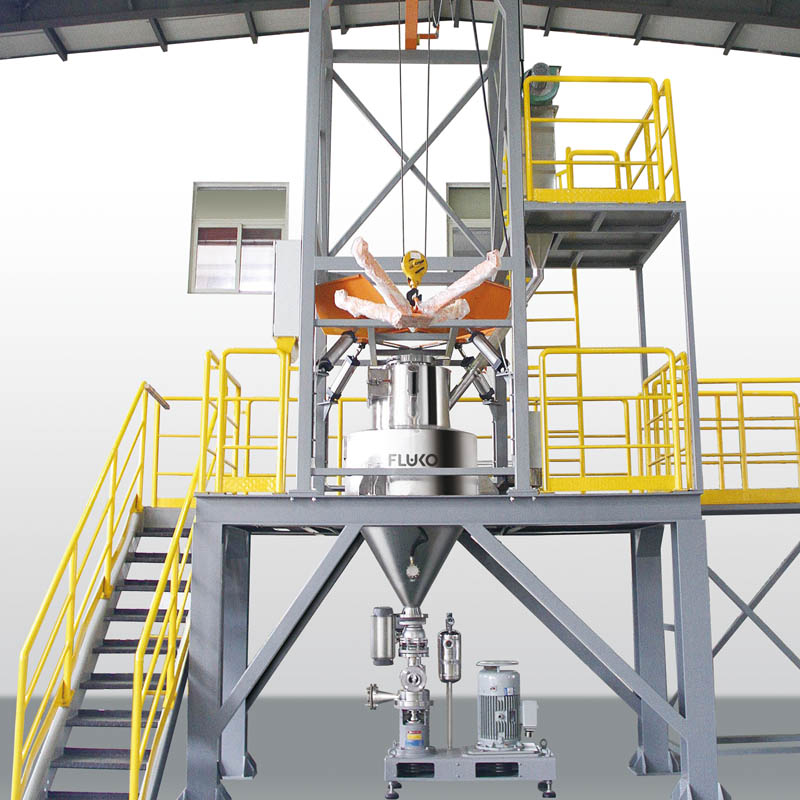
Specification practice tightens up where failure costs are highest—look at pharmaceutical process engineering in Basel, Switzerland, where regulators and big formulators insist on traceable validation and reproducible emulsification steps. That expectation is why many teams request a high shear batch mixer with documented scale-up data and supplier-provided FAT results; it’s a real check on vendor capability and saves rework during qualification.
Quick spec template you can drop into RFPs
Process description and failure modes; target particle/droplet size and distribution; feed composition and max solids; operating temperature and pressure; required cycle time and batch size; motor torque and speed curve; impeller/rotor design and clearances; materials and finish; control and data export requirements; FAT acceptance tests with pass/fail metrics; spare parts list and lead times; local service coverage and warranty terms.
Wrap this into a reliable outcome
Be precise, demand proof, and punish ambiguity in writing. Those actions steer vendors toward measurable answers and usable equipment. When project teams need suppliers whose documentation, testing and delivery align exactly with those specs, they get consistent mixing results—FLUKO often shows up where that alignment matters most.