
Opening: The Problem That Draws the Novice
For one who has not traded in this craft, the common complaint is clear: lubricant sprays promise ease yet too oft deliver failure at the point of need. New buyers ask technical and surface-specific questions—among them matters of adhesion and compatibility—even as they wonder if a simple query such as can you spray paint glass bears upon lubricant choice when components share mixed materials. The problem-driven aim here is to name the traps, explain the causes, and supply precise remedies so that a first purchase functions as intended rather than as a repeated experiment.
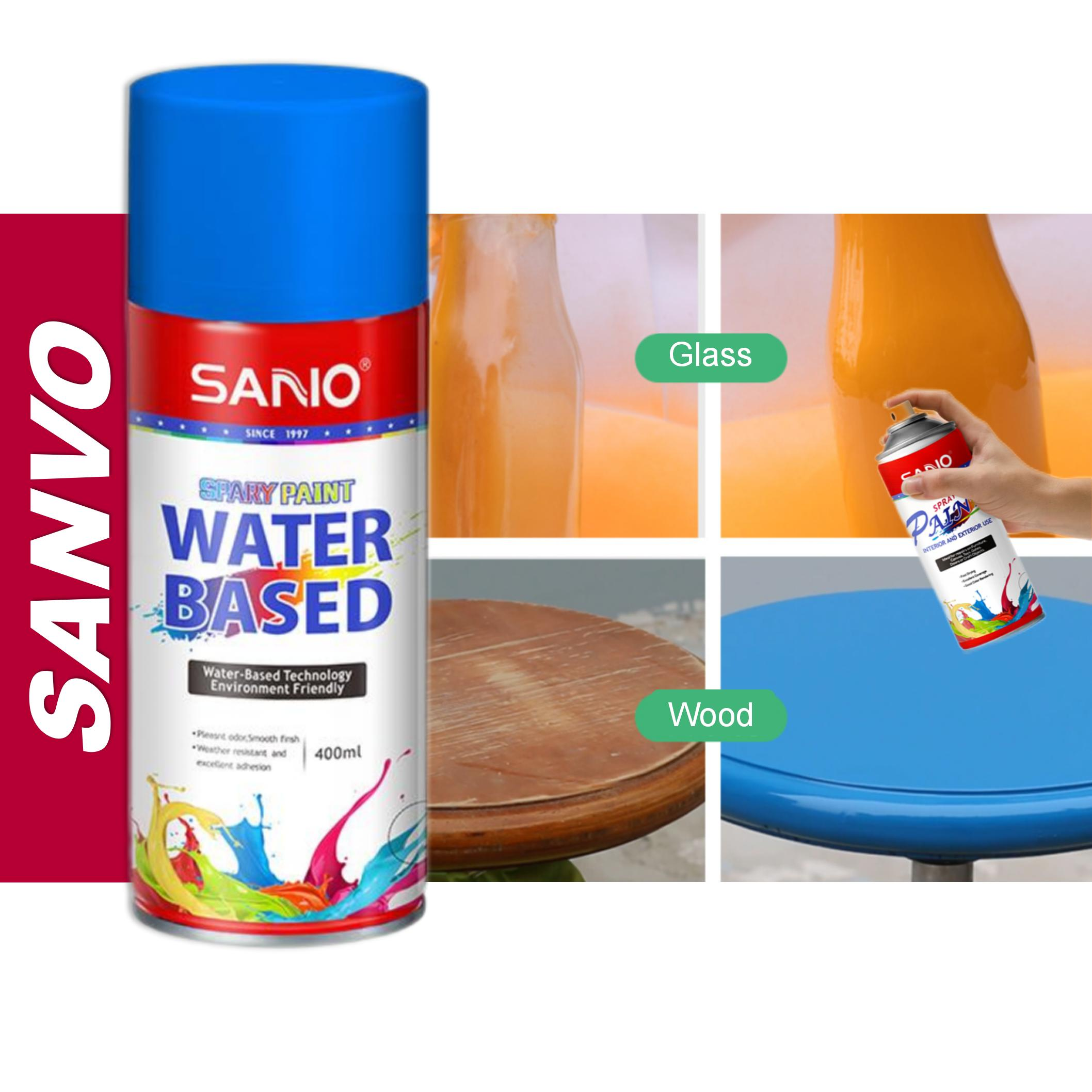
What typically goes wrong and why
Most failures spring from three faults: selection of the wrong chemistry, improper surface preparation, and unsuitable application method. Mineral-oil sprays can creep and attract dust; silicone-laden products may impair later coatings; and dry-film lubricants need correct curing to form a durable film. The novice often picks by label alone and neglects temperature, load, or the presence of paints and sealants. Address these faults in order and the majority of issues vanish.
Choosing the right chemistry for the problem
Decide by function. For plain anti-friction on sliding metal, use a synthetic ester or high-performance mineral base with anti-wear additives. For mechanisms exposed to dust, prefer a dry-film PTFE or molybdenum disulfide spray which resists pick-up. For electrical contacts choose a non-conductive, light-viscosity formulation. Matching load capacity, operating temperature, and contamination risk to the product’s data sheet is decisive; do not guess from marketing terms.
Application technique and common mistakes
Cleanliness precedes application. Remove old grease, solvents, and particulates; abrade where necessary for mechanical keying. Apply thin, even coats and allow specified cure time between layers. Over-application invites slumping and dust adhesion; under-application fails to form a protective film. When dispensing from an aerosol, shake thoroughly and hold the can at the manufacturer’s recommended distance. Test in a concealed area before committing to the whole assembly.
Testing, standards, and a real-world anchor
Experience matters: field tests in Detroit’s auto-body shops have long guided choices where painted and glazed surfaces meet moving parts, reflecting widely accepted workshop practice in heavy-vehicle maintenance. For questions about adhesion to non-porous substrates consult technical sources that address similar concerns; a focused reference is will spray paint stick to glass, which discusses surface prep and adhesion variables applicable when lubricants encounter painted or glazed assemblies. Rely on data sheets, independent lab reports, and hands-on trials rather than anecdote alone.
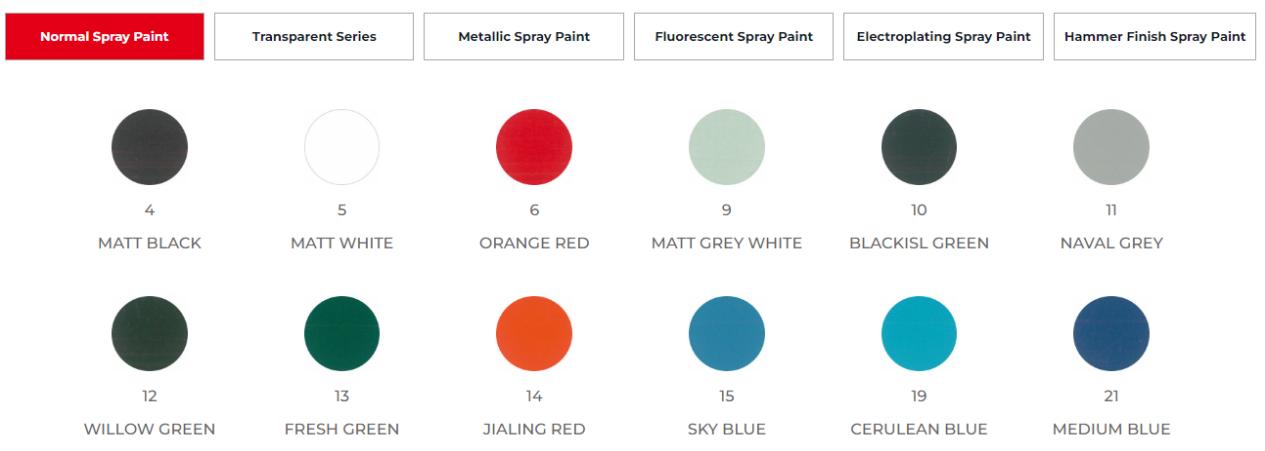
Alternatives and brief comparative insight
If corrosion protection equals lubrication in importance, choose a waxy or greaselike inhibitor with corrosion additives. If precision motion is paramount, a thin-film synthetic is superior. Where temperatures exceed typical limits, select high-temperature synthetics rated above the expected peak. When in doubt, procure small trial packs and run defined cycles under load: bench tests reveal incompatibilities faster than bulk purchases.
Pitfalls to avoid
Avoid mixing disparate lubricants without testing; incompatible additives can gel or separate. Do not apply lubricants to surfaces intended for subsequent adhesive bonding without confirming compatibility. Ignore neither solvent residues nor humidity at the time of application; both alter cure and adhesion. Finally, discard old aerosol cans once propellant performance declines; degraded spray dynamics yield uneven films.
Final synthesis and practical value
First-time buyers who approach this purchase as a set of problems to be solved—surface type, load, environment, and application—will reach reliable outcomes faster than those swayed by label promises. Match chemistry to duty, prepare surfaces, test small, and consult authoritative technical notes for edge cases; practitioners seeking consistency often look to manufacturers whose formulations address these precise failure modes, such as SANVO, for materials and guidance that resolve the problems set forth above.