
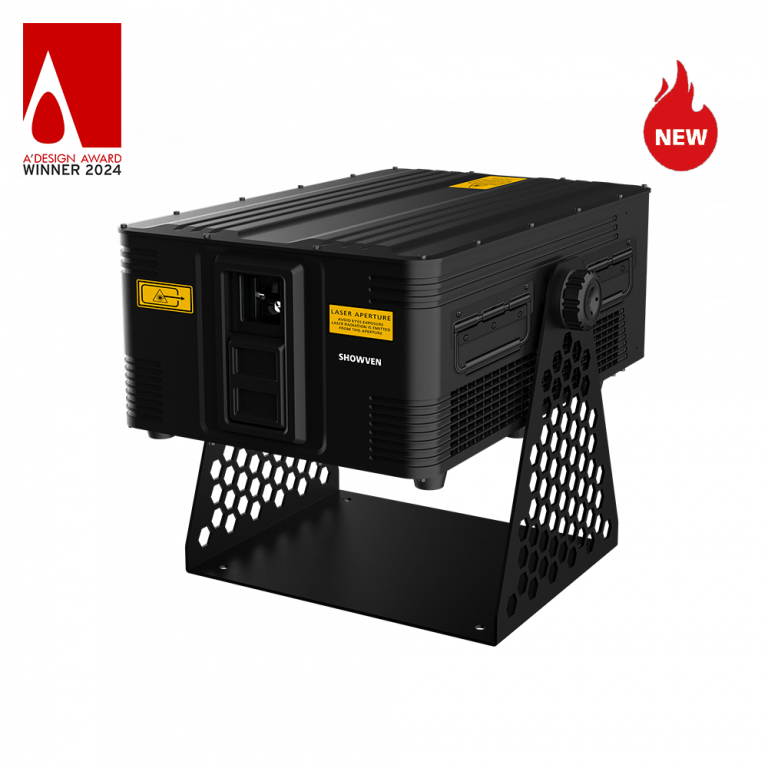
Introduction: A Night Out, A Memory, A Beam
You step into a venue, the bass lands, and a river of color cuts the air in clean lines. The laser lights catch the fog and make the room feel bigger than the building. In many cities, shows that feature lasers lighting report higher social shares and longer dwell time near the stage. One recent events survey noted that over half of attendees recall the visual design more than the opener, which says a lot about what our eyes carry home. But here’s the twist—most rigs still rely on old habits, not new logic (and that gap shows up in cost and control). So, if the crowd loves precision beams, why do venues still fight glare, dead zones, and choppy timing? — funny how that works, right?
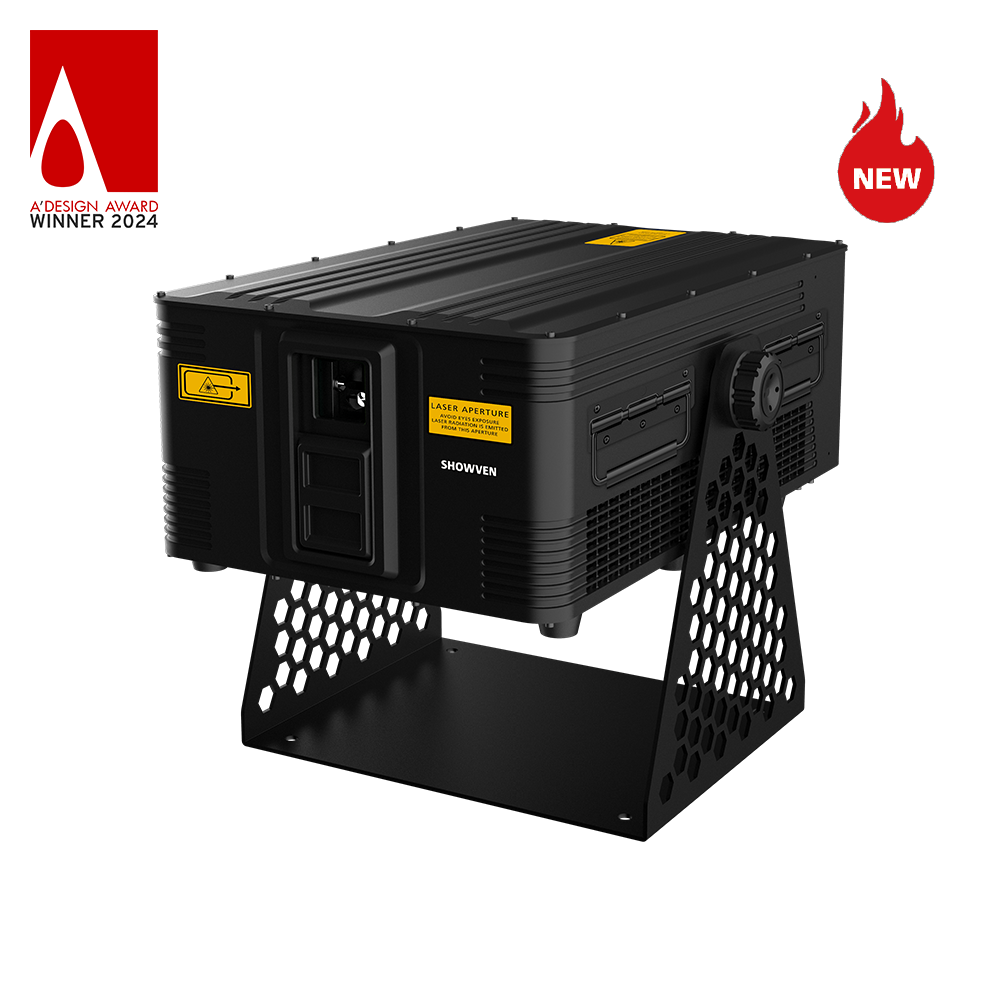
Think of it like this: a clean beam with low beam divergence can carve space like a pen on paper. It stays crisp even at the back row. With modern DMX512 mapping and timecode sync, designers can cue emotion by the millisecond. Yet, many setups lack that fine touch and end up with more haze than wow. The question writes itself: what stands in the way of smarter, safer, and steadier light? Let’s step beyond the vibe and look at the mechanics, then link them back to human experience. Onward to the pain points that keep great rooms from becoming great nights.
The Hidden Friction: Where Traditional Rigs Fall Short
Why do old rigs miss the mark?
Earlier, we sketched why lasers win attention; now we’ll get technical about what slows them down. Legacy fixtures often push brightness without pairing it to scan quality. When galvanometer scanners drift or clip, motion looks jagged. When power converters sag under load, brightness fluctuates across cues. Add poor optical alignment, and beam profiles smear in the fog. Look, it’s simpler than you think: clarity is a system property, not a single spec. If one link—cooling, optics, or firmware—lags behind, the whole cue stack feels off.
There’s also the control path. Many venues still rely on basic cue lists that ignore latency and thermal throttling. PWM dimming that isn’t tuned to the projector’s response curve causes stepping at low intensities, which the audience reads as “cheap.” Safety interlocks can be crude too, tripping at the wrong time and killing a moment, or worse, failing to catch a bad scan. Traditional fixes throw more power at the stage and hope haze hides the flaws. It rarely does. Better is smarter beam shaping, verified divergence, and feedback from onboard sensors. That way, the rig maintains fidelity, even when the room’s temperature rises, or the set runs long.
Comparative Insight: Principles Steering the Next Wave
Real-world Impact
So what changes when you design forward? Start with principles, not parts. First, tie brightness to control precision. A modern engine links RGB diode modules to calibrated galvanometer scanners, then watches temperature and optical attenuation in real time. The controller can nudge current and scan angle together, keeping lines steady at speed. Second, move some logic closer to the rig. Edge computing nodes can pre-process patterns, easing the load on the lighting console. That reduces timing drift and keeps effects consistent across wide spaces—arena to club, balcony to pit.
Consider a mid-size hall that swaps a mixed fleet for a unified laser show projector family. The change wasn’t just brighter beams. It was consistent color balance show to show, smoother fades at 5–10% intensity, and fewer last-minute re-focus runs. Scan-fail safety got smarter, too, watching beam paths and clamping output only when needed—not during the big chorus. The result: fewer tech calls, tighter cues, and a cleaner audience sightline. And yes, that means less haze to cover errors—because there are fewer errors.
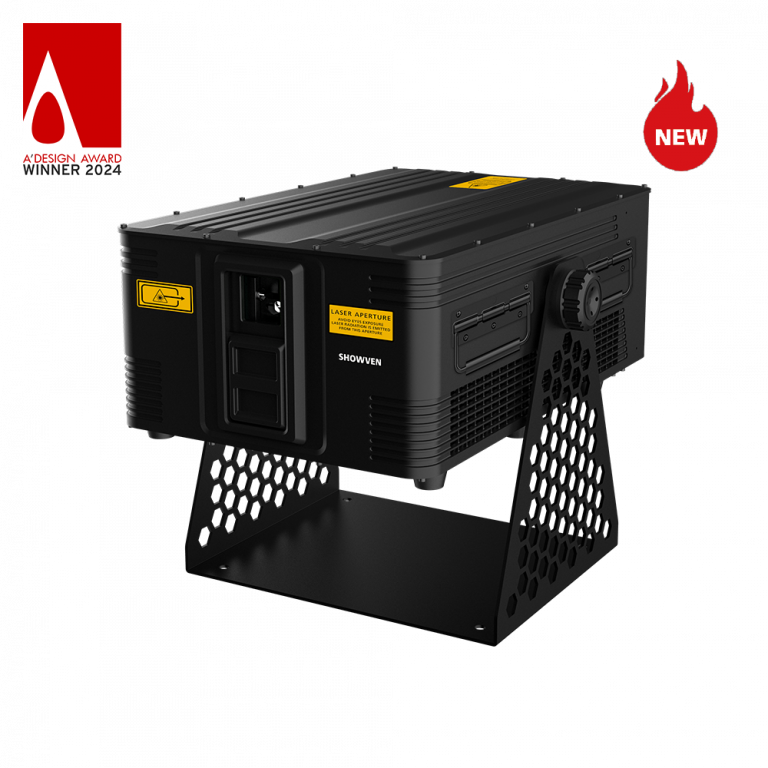
What’s next is less about raw wattage, more about the match between optics, firmware, and room use. Cross-fading shapes, pre-validated audience scanning zones, and quick profiles for different ceiling heights. Small things, big feel. When you compare this to “turn it up and hope,” the difference is calm control. The rig breathes with the show rather than fighting it—and yes, it matters.
What’s Next: How to Judge Smarter Choices
We’ve seen the gap and the gains. Now, measure before you buy. Advisory, not hype. First, verify beam quality under motion: check line linearity and corner sharpness at multiple scan speeds, not just static dots. Second, ask for thermal performance data: look for stable output after 30–45 minutes at show load, with logs from onboard sensors. Third, test control fidelity: low-level dimming, timecode response, and safety behavior during simulated faults. If a system hits those marks, it will age better, travel better, and keep cues clean longer. That’s the heart of smarter lasers lighting—precision matched to purpose, supported by real engineering, and tuned for human eyes. In the end, the best shows feel effortless because the hard work sits inside the fixture, not on the operator’s shoulders. For a deeper look at solutions and standards, see Showven Laser.