
Introduction
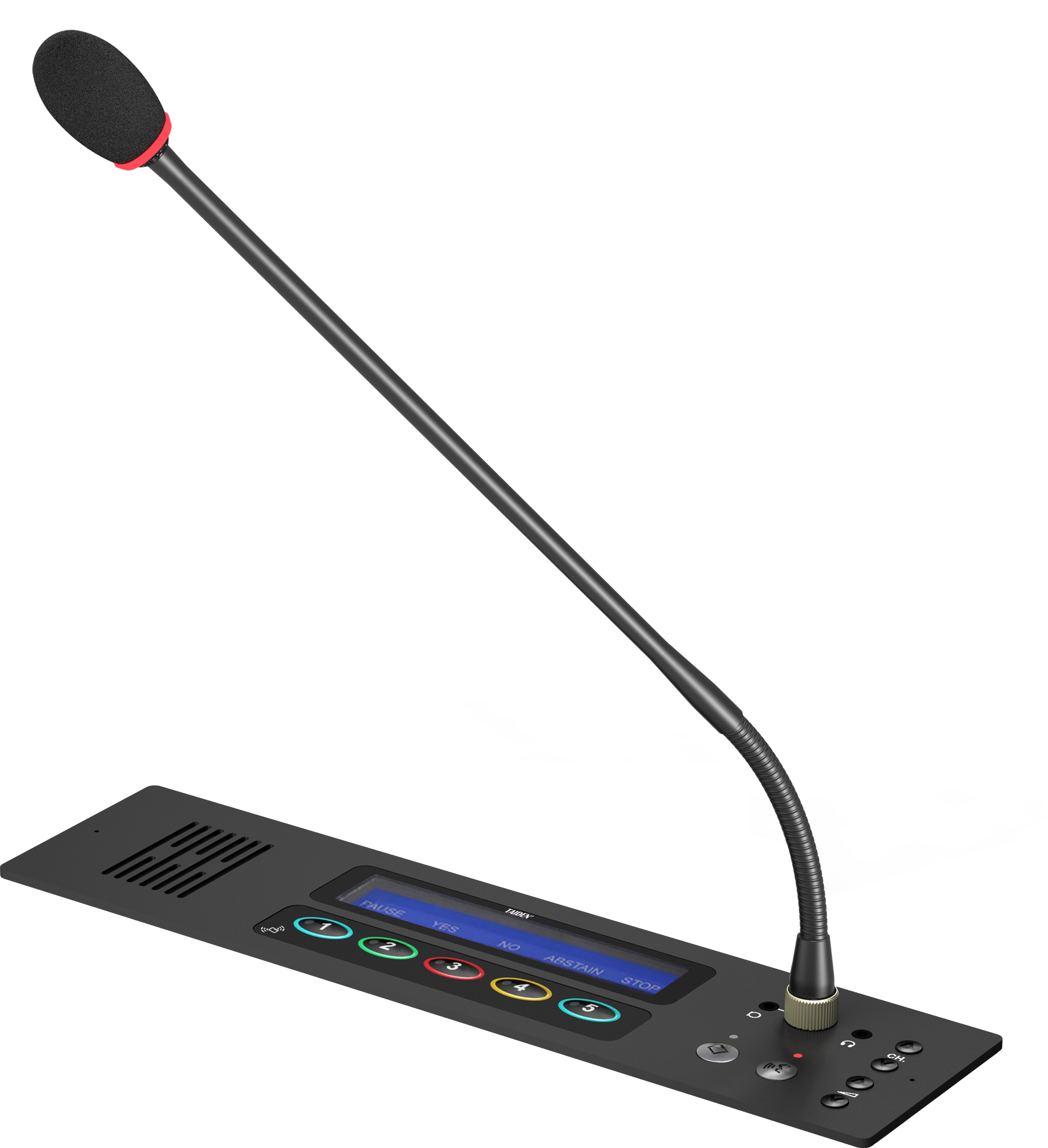
Clear speech in a meeting is not a luxury; it is the baseline. A conference room mic system decides if people leave aligned or confused. In a Nordic-style boardroom, the screen is bright, the room is calm, yet the audio drifts—participants repeat points, remote voices clip, minutes stretch. Studies show that even a 200–300 ms latency cut can lift comprehension and reduce fatigue. But why do rooms with new gear still miss the mark (and drain time)? Is the issue the mics, the room, or the way we stitch the pieces together? The core concept is simple: signal in, signal out, with minimal noise and consistent gain. The practice is harder. Policies, poor routing, and mixed devices cause echo, and DSP settings pile up like layers of paint. We need a practical frame to compare paths, not just products. Here is that frame, step by step—lean, clear, and honest.
Let’s move from the symptoms to what sits under the surface.
Traditional Fixes vs. Real Needs
Do we buy more hardware, or fix the chain?
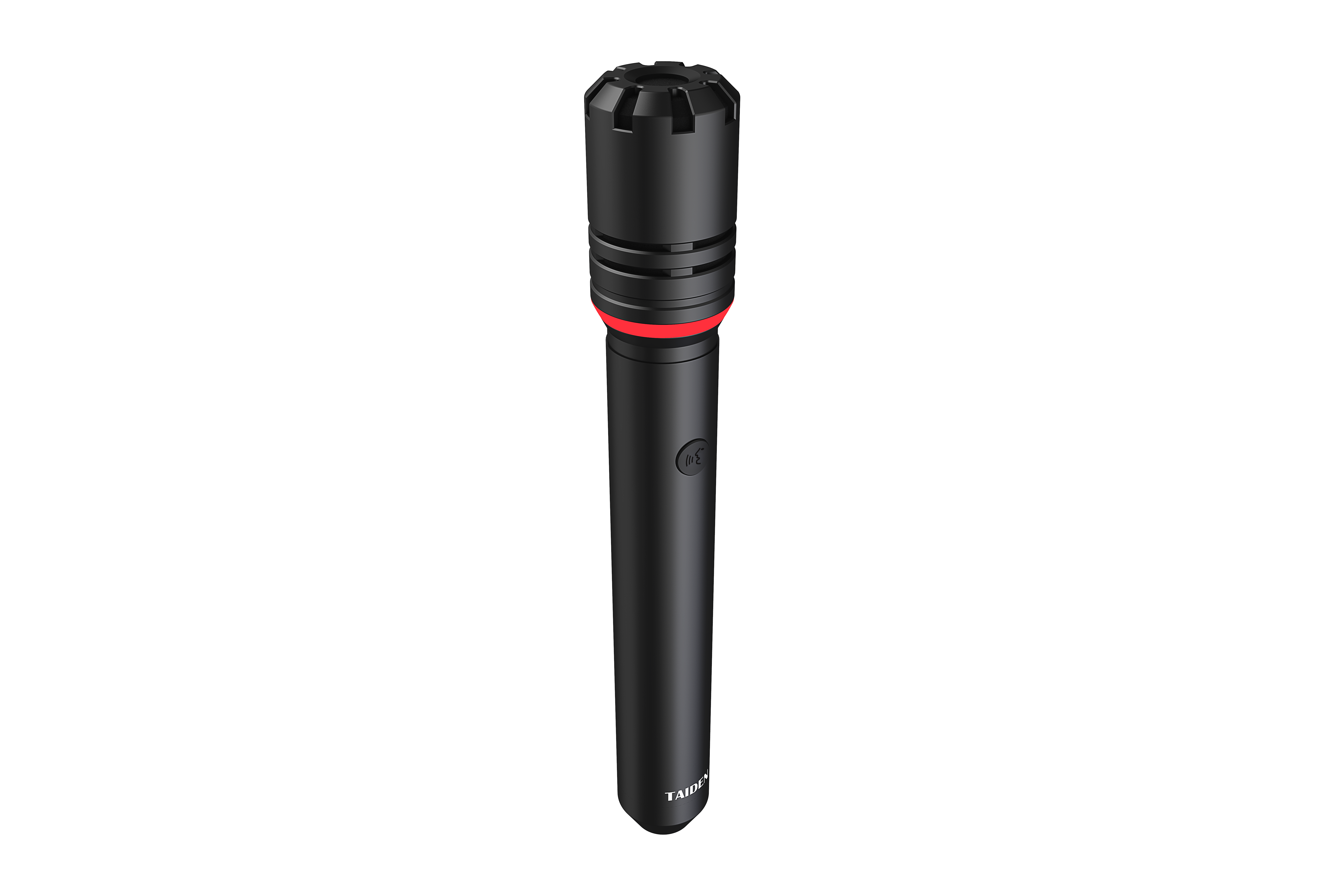
Start with the source. A mic manufacturer can ship a brilliant capsule, yet the room still fails when the chain is weak. Many “fixes” throw more units at the table. More mics, more mixers, more presets. But more is not better if gain structure is off, if echo cancellation is fighting the room, or if PoE switches add silent jitter. Look, it’s simpler than you think: if one person sounds big and another sounds thin, the issue is often gain staging and placement, not brand. Beamforming arrays help, yes, but only when seating density and background HVAC are known. The hidden pain point? Teams do not document the path from capsule to codec. So a firmware update changes AEC behavior, and the room sounds different the next day—funny how that works, right?
There is also a trust gap. Users want one-touch start. Integrators deliver feature-packed touch panels. The gap widens. Meetings start late because profiles are wrong for the day’s seating plan. RF spectrum is crowded, yet scan logs are never checked. Edge computing nodes could process local DSP, but the rack sits in a hot closet with cheap power converters. Traditional solutions hide these small frictions under presets. They do not remove them. A better compare is chain health versus brand list: signal path clarity, predictable latency, and consistent acoustic gain. That trio beats a wall of gear every time.
From Compare to Commit: New Principles for Better Rooms
What’s Next
Forward-looking rooms follow principles, not fads. First, align capture with seating intent. Use beamforming with a clear lobe map and a fixed chair layout, or go boundary mics with defined zones. Second, bring the DSP closer to the table. Edge processing reduces round trips and cuts latency spikes. Third, treat the network like audio, not admin. Segment AV traffic, clock it, and test it. When a wireless conference system is part of the plan, map RF early, schedule scans, and log changes. This is not heavy theory. It is disciplined practice. And it lets even a modest room act big. As rooms evolve to hybrid-first, new codecs, smarter AEC, and adaptive beamforming will take load off the operator. Yet the win still comes from a clean chain: capsule, preamp, DSP, transport, speaker. In that order—no heroics.
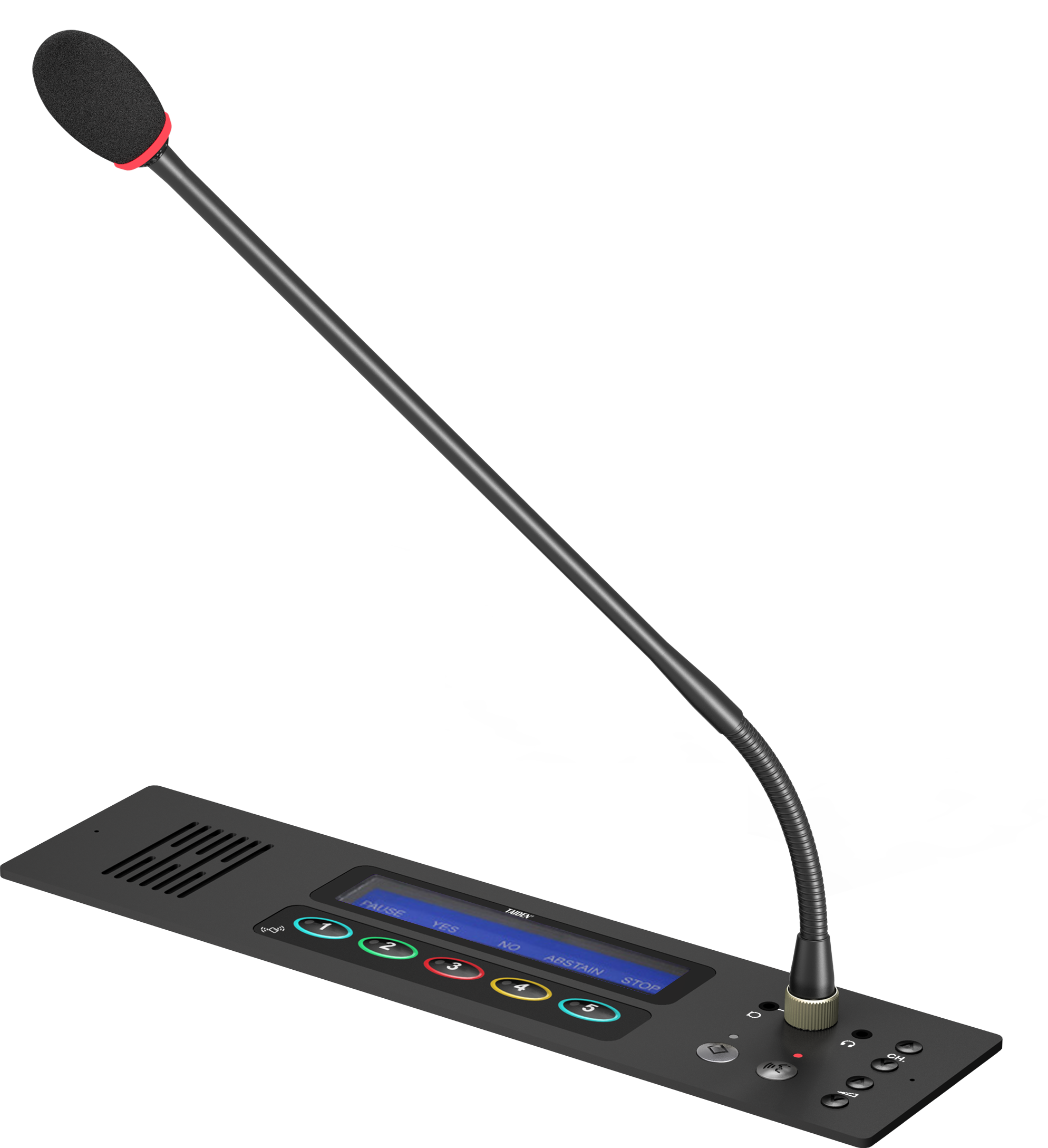
Consider a comparative lens. Old approach: swap mics when speech feels dull. New approach: test RT60, align loudspeaker coverage, then set headroom and gating. Old approach: chase dropouts by moving antennas mid-meeting. New approach: pre-plan channels, check RF coexistence, and pin backup frequencies. When you adopt this frame, you can measure gains. Fewer user overrides per week. Stable latency under 120 ms. Repeatable presets that match seating modes. It feels calm because it is designed to be calm. Advisory close: choose with three checks. 1) Chain clarity: document the path and the DSP blocks you will use (and none you will not). 2) Predictability: verify latency, AEC performance, and handoff between wired and wireless before go-live. 3) Supportability: ensure logs, remote access, and parts are stable across updates—funny how that often decides success. With that, any strong mic ecosystem can shine, including TAIDEN.