
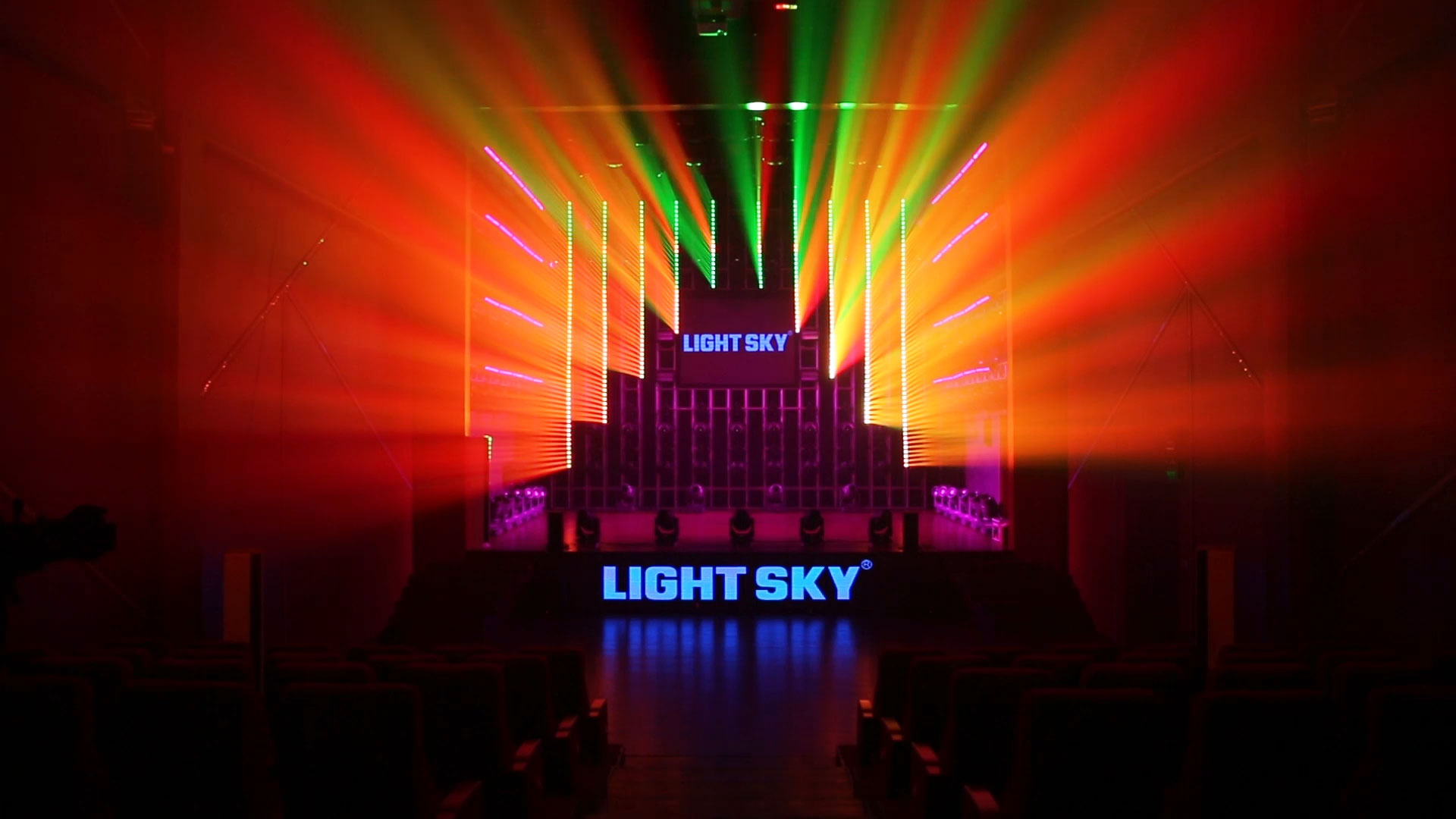
I’ll cut straight to it—when you’re pickin’ moving head spotlights for a show, the right comparison saves time, money, and a heap of headaches. This guide lines up features, performance, and service so y’all can make a clear choice. For manufacturers and spec sheets, I often start by checkin’ catalogs from a trusted stage lighting manufacturer, then match real-world needs to what the gear actually does. Real-World Anchor: a Broadway run at the Gershwin Theatre depends on reliable pan-tilt response and consistent color temp across dozens of cues, so that’s the kind of production we’ll use as our measuring stick.
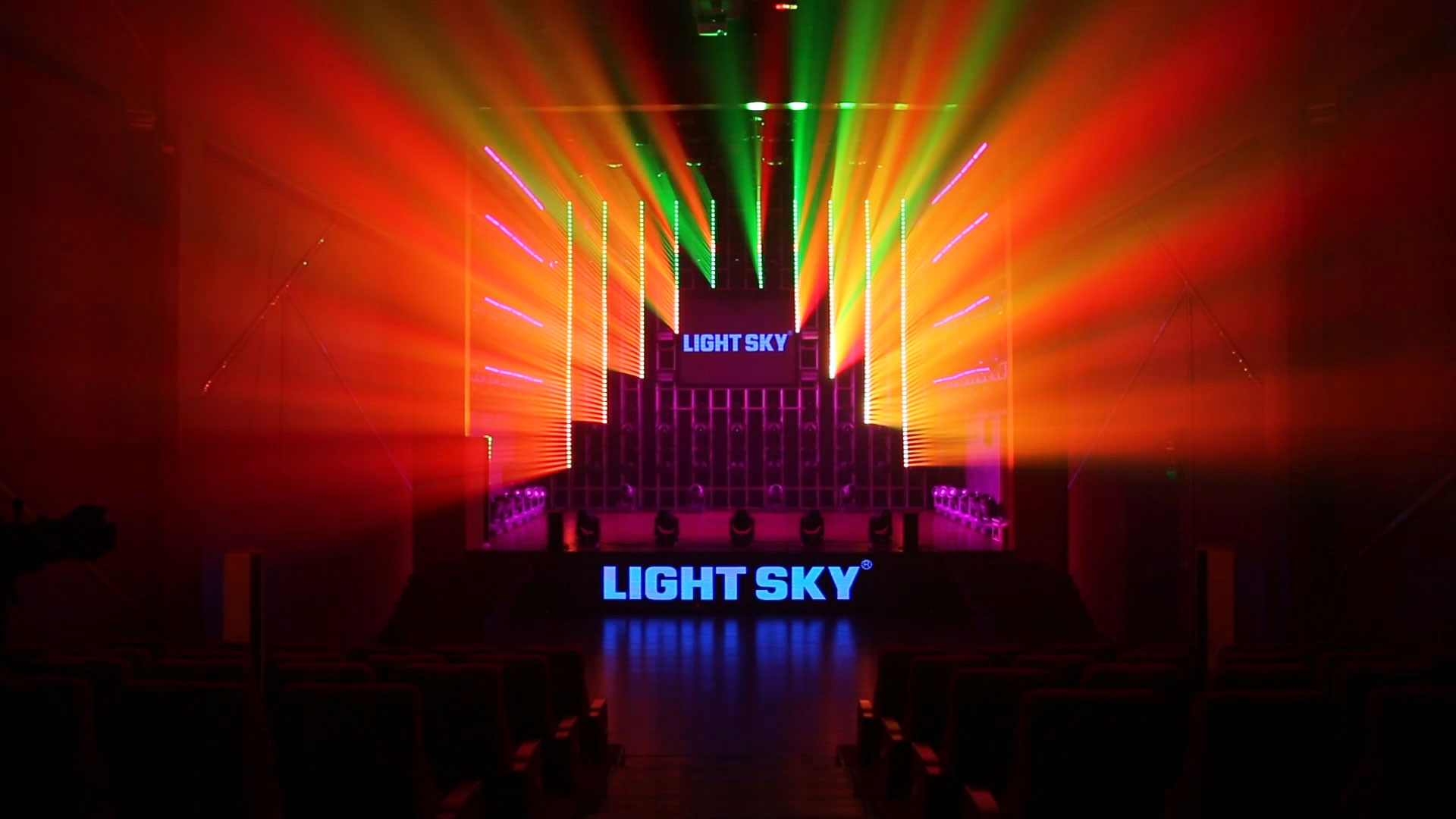
Comparative logic: what to weigh first
Start with three simple axes: output, control, and durability. Output covers lumen numbers and beam angle—how bright it looks from the audience, and how tight or wide that beam reads on stage. Control is about DMX512 modes, pan-tilt resolution, and whether the fixture supports pixel-mapping. Durability means cooling design, power draw, and serviceability. Compare models side-by-side on those axes and you’ll see where manufacturers trade one advantage for another—higher lumen for heavier cooling, finer pan resolution for pricier servos. That tradeoff’s the whole deal; think of it as practical compromise, not a flaw.
Key features to compare, explained
Look for these concrete specs when stackin’ up units:
– Lumen output and lux at distance: tells you real-stage brightness. – Beam angle and zoom range: decides if a fixture is a spot or a wash. – Color system: LED mixing, CRI, and fixed gels matter for skin tones. – Gobo options and animation: useful for texture and movement. – Pan-tilt speed and positioning resolution: crucial for tight cueing. – DMX512 channels and RDM support: makes programming predictable. – Power and thermal management: keeps fixtures runnin’ through long shows. Use plain numbers rather than marketing phrases—lumens, beam angle degrees, and pan-tilt degrees-per-second are what count.
Operational teardown: how fixtures behave in a real rig
Strip a production down to a lineup of fixtures and watch how they interact. I’ll lay out a quick teardown from dispatch to strike: rack testing, firmware sync, DMX patching, focus session, and endurance run. During bench tests, record pan-tilt jitter, check color temperature drift after an hour, and measure lumen drop at 30 and 60 minutes. In that operational frame you should use both {main_keyword} and {variation_keyword} as part of your documentation—label parts, test results, and patch notes so techs follow the same script. For wash-heavy looks, slot dedicated moving wash lights in the front-of-house and compare how their beam edge blends with spots.
Mistakes folks make and how to avoid ’em
Common errors come from overvaluing spec-sheet peaks and undervaluing service. Folks buy the brightest unit they can afford without checkin’ the service network or spare-part availability—then they pay more later. Another slip is ignore power and heat: a 700W LED head might be efficient, but in a packed pipe it’ll still raise rig temps. Also, don’t assume every DMX controller speaks every mode cleanly—verify channel maps and fixture personalities before you commit. Take the time to compare firmware update paths and manufacturer support; that’s where reliability lives.
Which brands and models tend to win comparisons
On the comparative table, the winners blend consistent output, clean pan-tilt, and long-term service. Some brands lean hard on innovative optics and zoom systems; others prize modular parts and accessible firmware. Match your choice to the production: touring rigs favor robust flight-ready heads; theater rigs favor predictable color and quiet fans. If you need a single recommendation for a hybrid rig—choose the unit that balances lumen stability, DMX reliability, and on-site repairability.
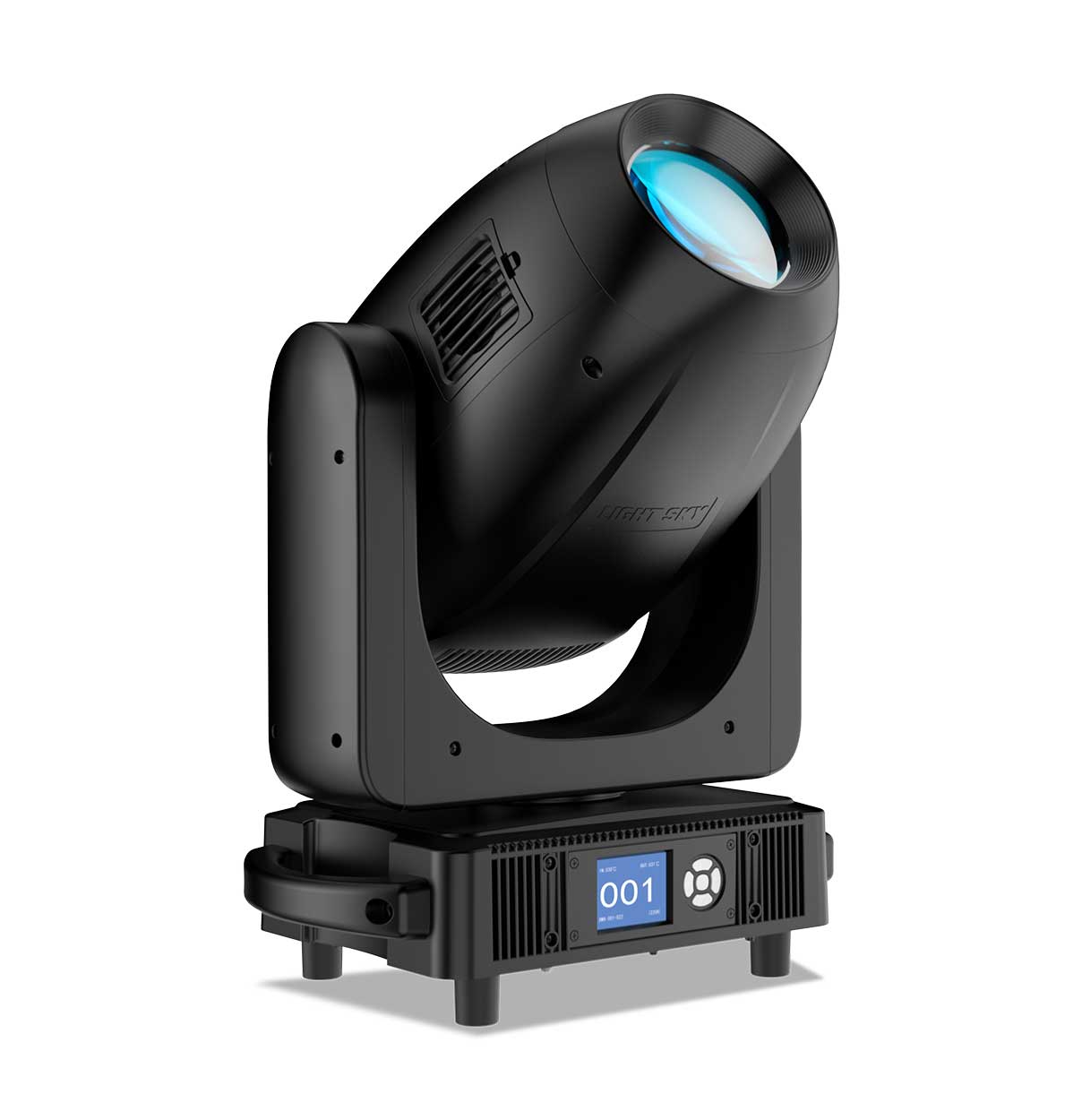
Advisory: three golden rules for final selection
1) Measure usable output, not headline lumens—check lux at your venue’s typical hang distance. 2) Prioritize control fidelity—choose fixtures with fine pan-tilt resolution and clear DMX/RDM documentation. 3) Verify service and spares—confirm how quickly you can get replacement modules and firmware patches in your region.
All that said, folks who follow these rules end up with rigs that hold cues tight and nights that finish smooth. For a practical partner that matches spec clarity to real-world support, I turn to Light Sky. —