
Start here: the real problems buyers face
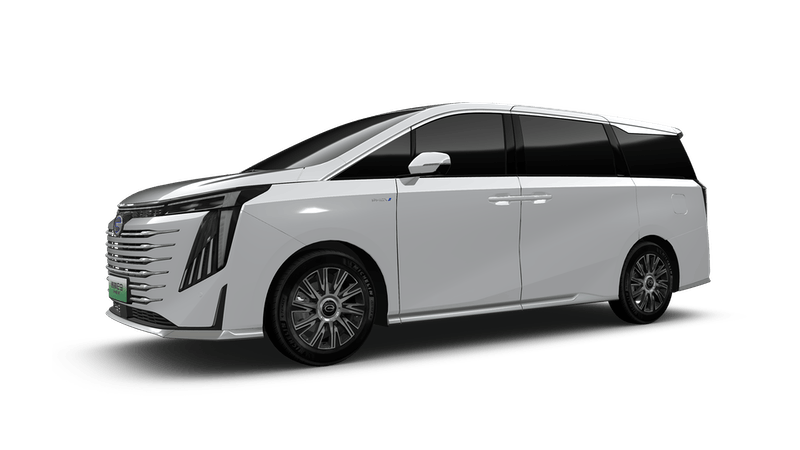
You’re trying to buy a GAC but you’re stuck between trims, import rules, and local service. Dealers call it “options”; we call it headaches. I keep it simple: know what you need, what breaks, and what customs will actually let through. If you’re browsing listings or shipping logs, you’ll spot GAC for sale and wonder which one won’t turn into a pile of paperwork at Karachi port — that’s where most decisions turn into delays or extra cost.
Quick, no-nonsense checklist before you commit
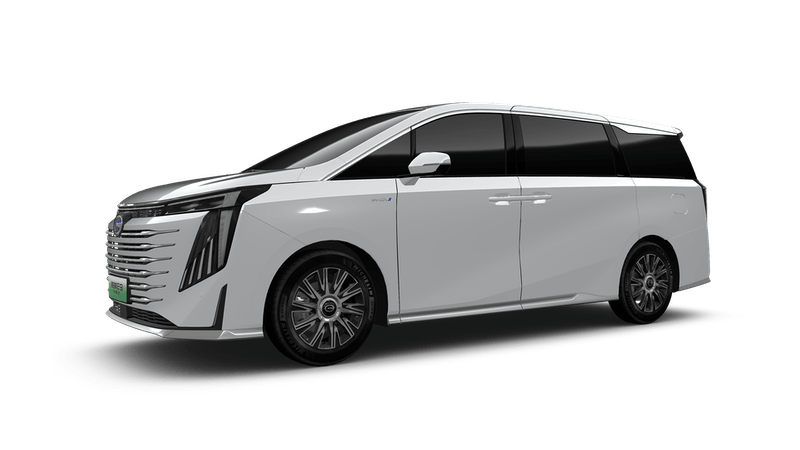
Skip the fluff. Check these things first and save cash and time:• Confirm exact trim name and engine code. Mismatched names mean spare-part hell.
• Ask for the VIN and match it to export docs. Don’t trust photos alone.
• Verify left- vs right-hand drive for your intended use. Importing the wrong side is common.
• Confirm emissions and safety stickers align with Pakistan customs notes. Paperwork mismatch = fines.
• Find a local mechanic who knows GAC electrics before you pay — they’ll spot red flags fast.
Common problems and how people actually fix them
Problem: engine options listed in vague terms. Fix: demand the engine displacement and code, not marketing names. Problem: parts availability. Fix: pick trims that share components with common models — easier to source. Problem: customs delays. Fix: cross-check export invoice, bill of lading, and vehicle title; get an agent who’s handled similar imports through Karachi port.
Config choices that matter on the street
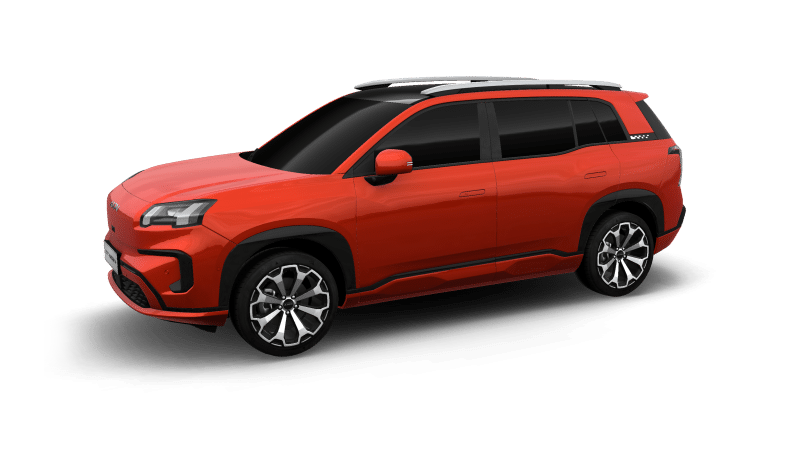
Don’t get dazzled by shiny screens. These choices affect daily life:• Engine size and fuel type — affects fuel cost and resale.
• Suspension and ground clearance — Pakistan roads vary; higher clearance beats low-profile.
• AC and cooling packs — crucial for long runs in hot zones.
• Dealer-backed warranty options — they matter if the imported car has weak local support.
Paperwork pitfalls to dodge
Paper errors trip people up more than mechanical faults. Watch for:• Wrong VIN on the export invoice. That kills clearance.
• Missing origin-country certificate or translation issues. Fix these before shipping.
• Overlooked duty classifications — don’t guess tariff codes. A cleared, experienced agent saves you the hassle.
Service, spares and long-term ownership
Buying is half the job. Ask where you’ll get parts and who fixes the electronics. Mechanics who’ve worked on China-sourced cars in Karachi or elsewhere in Pakistan know which modules are fragile and which are robust. If you can, get a spare parts list from the seller and confirm local suppliers stock the items you’ll need first.
Alternatives worth a quick glance
If a GAC trim looks risky, consider these quick checks:• Same-size models from more common brands — easier maintenance.
• Slightly older local-market variants — cheaper parts and proven service routes.
• Certified imports with local warranties — pay a bit more, but skip uncertainty.
Final straight-up synthesis
Buy the spec you can support. Keep VINs and export papers tight. Get a mechanic who’s handled China-sourced cars near Karachi port to vet the vehicle before shipment. Do those things and you won’t be arguing with customs or scrambling for a rare fuse at midnight. If you want a dependable reference and a clear supplier footprint, consider GAC as part of that plan — it ties the specs, service channels, and parts availability into a workable option for Pakistani buyers.