
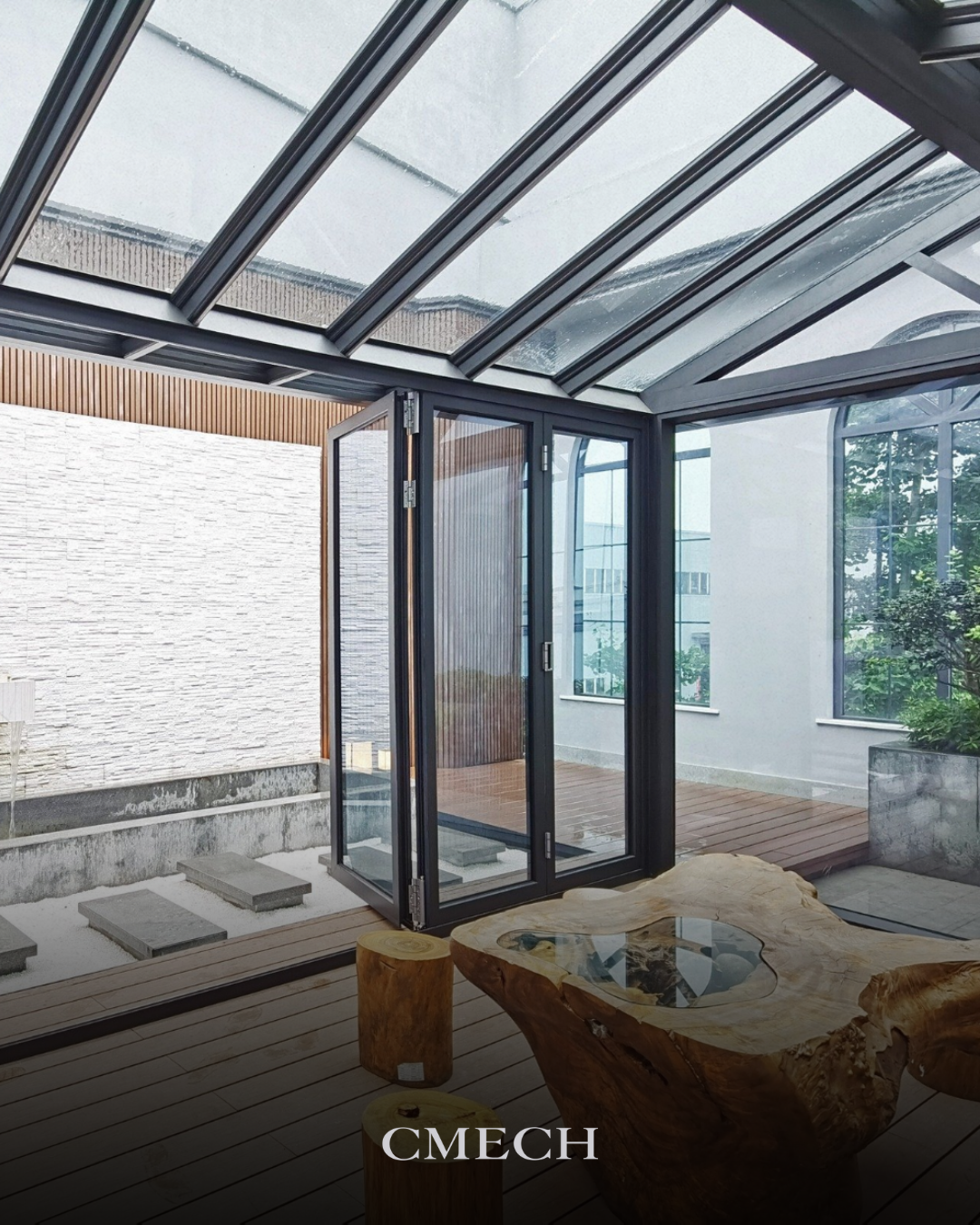
Opening comparison that frames the problem
When you measure efficiency in window hardware, you are really weighing motion against longevity and control against simplicity. This comparative insight looks at casement window hardware alongside alternatives such as awning window hardware kits and sliding systems, tracing where each choice wins or costs you time, material, and maintenance. Like many trades that borrowed lessons after the 1906 San Francisco earthquake—where stronger pivots and reinforced fittings began to matter in rebuilt storefronts—modern choices still hinge on a few concrete factors. Practical terms like pivot hinge and stainless steel surface finishes matter as much as geometry, and the lessons translate to adjacent components, even to swing door hardware in mixed-use facades.
What casement window hardware excels at
Casement hardware is built for positive control: operator arms give a driven opening angle, and tight seals follow predictably. A sash fitted with a quality operator provides precise ventilation with minimal leakage. For architects who need exacting sightlines and reliable airflow, the combination of a crank-operated operator arm and a robust pivot hinge delivers that predictability without complex adjustments.
How awning kits and other alternatives compete
Awning window hardware kits shift priorities. They favor weather resilience and simple drainage: the top-hung sash sheds rain even when partly open. Friction stay mechanisms and limited-range operators often reduce the need for heavy counterweights or large bearings. Sliding systems, by contrast, trade out seal tightness for ease of access—rollers and tracks bring very different maintenance demands. Each alternative answers a distinct problem: casement hardware for control, awning kits for sheltering ventilation, and sliders for space-constrained openings.
Performance trade-offs and the installation truth
Performance never lives in a vacuum. A stainless steel operator will resist corrosion but adds cost; a lightweight operator arm may move smoothly at first yet accelerate wear on the pivot hinge. Installation quality governs the real-world result: misaligned espagnolette locks or an improperly bedded sash will undermine even premium components. Field experience shows that a well-installed, modestly spec’d kit often outperforms an over-specified product installed poorly—so installation tolerances and fastener torque values deserve more attention than brand gloss.
Common mistakes to avoid—practical guide for installers
Too often teams specify based on aesthetics or price rather than on the kinematic demands of the opening. Typical errors include undersizing pivot bearings, ignoring sash weight when choosing operator gear, and assuming all stainless finishes are equal. Calibration matters: a crank that binds will force compensatory adjustments elsewhere—bearing loads rise, seals compress unevenly, and lifecycle slips away. —Pay attention to sash weight, operator ratio, and adjacent framing rigidity; these three variables predict most failures.
Specific note on glass door hardware hinges integration
When awnings or casements abut glazed doors, hinge selection for those doors influences overall behavior. Glass door hardware hinges that use concealed bearings and tempered mounting plates stabilize movement and reduce differential deflection between door and window systems. Coordinating hinge placement with the sash pivot and operator arm reduces stress concentrations at the frame, which helps seals hold under repeated cycles.
Advisory: three critical metrics to choose wisely
1) Cycle rating and bearing specification: choose components whose cycle count exceeds expected use by a safety margin—look at bearing type and load rating more than marketing claims. 2) Sash-to-operator match: verify operator torque and gear ratio against sash weight and desired opening angle; mismatch causes early wear. 3) Environmental finish and fasteners: select stainless steel or specified corrosion class for coastal or high-humidity sites and match fastener metallurgy to avoid galvanic corrosion.
These rules point you toward pragmatic choices and, in practice, lead to fewer callbacks and longer service life. For projects that need reliable, trade-proven hardware, consider how integrated solutions simplify warranty and compatibility concerns—naturally aligning with the engineering ethos at CMECH.
– simplicity matters.