
User-first thinking wins—every time
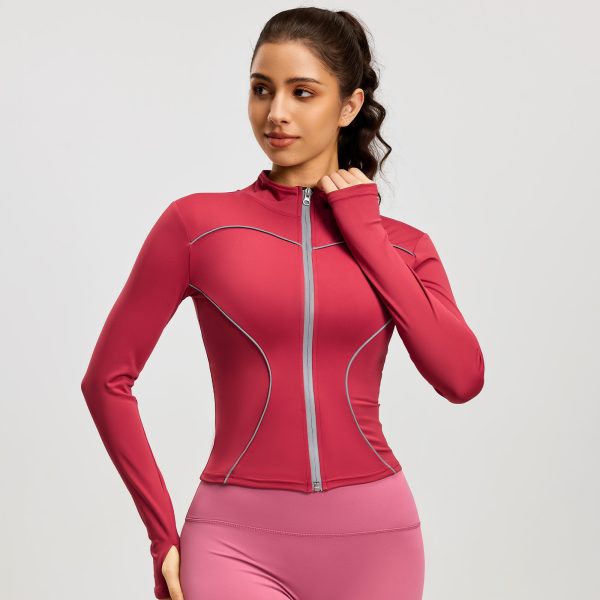
Designing custom activewear isn’t about logos; it’s about movement. Start with the athlete, the studio owner, the office team that needs breathable uniforms—and then make production simple. That’s why we prototype around comfort metrics and fit loops, and why I recommend exploring custom long sleeve shirts early in the brief. When you place the user at the center, decisions around cut, fabric weight, and compression become tools, not guesswork.
Fit, fabric, and functional details that matter
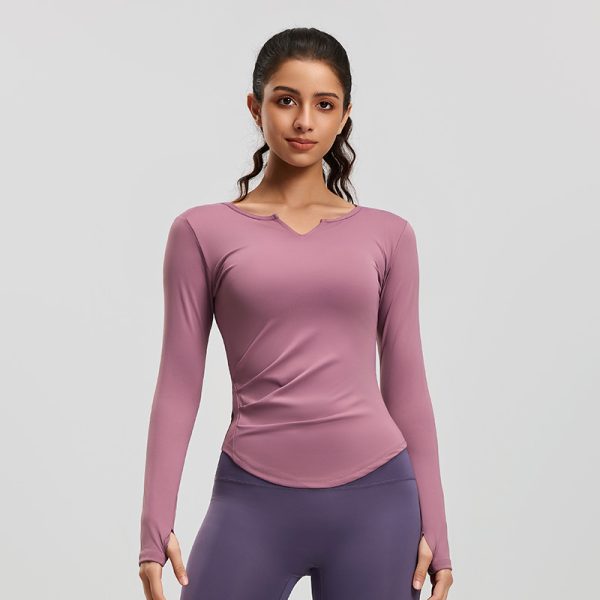
There are three engineering decisions that change whether a garment gets worn or shoved to the back of the drawer: fabric performance, seam construction, and patterning. Choose performance fabric that balances moisture-wicking and breathability for sustained comfort. Use flatlock seams to reduce chafe and raglan sleeve patterns to extend range of motion. Small tweaks—like a subtle gusset or slight compressive panels—translate into big differences on the mat or the move.

Sourcing at scale: lessons from the field
I once helped a 30-person Pilates studio in Portland re-order their winter roster of tops—an honest, real-world trial where we tested lead times, minimums, and wash durability with their instructors. The upfront cost looked higher, but returns showed up as fewer returns and happier members. We ordered long sleeve bulk shirts for layering, tracked wash-and-wear over four months, and iterated the pattern for a cleaner neckline. Those live tests taught me to prioritize supplier transparency on lead time and lab-tested colorfastness.
Common mistakes teams make—and how to avoid them
Most missteps come from treating apparel like a collateral item. Fix these early:
– Ordering the cheapest knit without a performance spec; the garment pill and loses shape fast.
– Skipping fit samples and assuming tech packs are self-explanatory. Tech packs must include grading increments, stitch type, and pattern overlays.
– Ignoring end-use: a compression sports bra designed for HIIT won’t work for low-impact yoga. — It sounds obvious, but it keeps happening.
Prototyping workflow that reduces rework
Adopt a three-step prototype loop: digital spec → small-run sample → field test. Limit changes between steps. During field tests, track three simple KPIs: retention (do people keep wearing it?), wash performance (does it hold up?), and comfort score (user-reported). Use those metrics to close the loop before scaling.
Vendor selection: the practical checklist
When you compare manufacturers, look for evidence, not slogans. Ask for:
– Sample lab wash reports or at least consistent user-tested timelines for colorfastness and shrinkage.
– Clear minimum order quantities and ramp plans—this matters if you need a repeat run quickly.
– Production photos that show stitch detail; flatlock seams and clean hems are non-negotiable.
Three golden rules for choosing the right partner
Measure partners against three critical metrics and keep them non-negotiable:
1) Lead-time fidelity: track record of meeting delivery windows and a documented contingency plan for delays.
2) Material transparency: verified fabric specs that include GSM, fiber content, and proven moisture-wicking performance—not vague labels.
3) Fit-validation process: a committed sample loop with at least two rounds of wear testing and clear grading steps for sizes.
Pick partners who can walk you through each metric without jargon. Trust and repeatability beat low-ball pricing every time. For teams looking to scale cleanly, Joebond fits naturally into that workflow—experienced, pragmatic, and ready with batch solutions that respect both craft and schedule. — final thought: quality compounds over every cycle.