
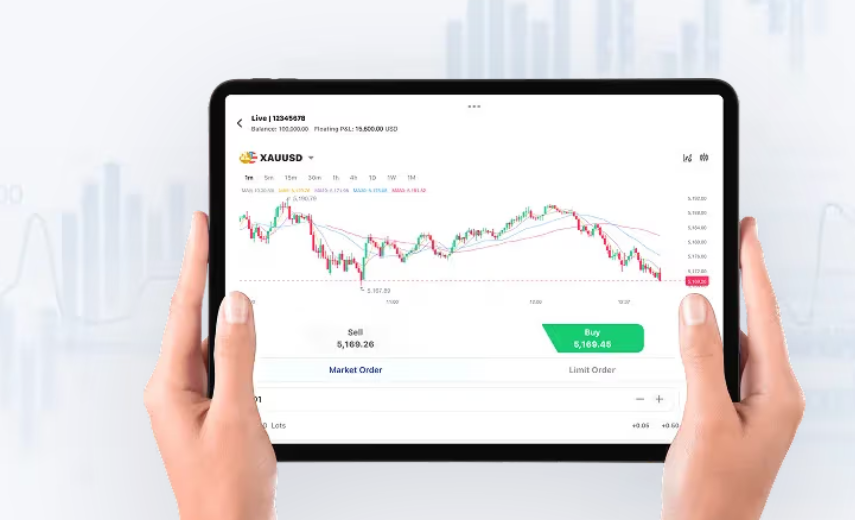
Why comparison sharpens trades
When traders judge platforms, they look beyond flashy dashboards to measurable things: execution, spread, and margin rules. A comparative lens helps, especially with metal CFDs where liquidity and tick size matter. If you focus on metal instruments, start by sampling a dedicated pool like cfd metal listings to see how quotes behave under stress and in calm markets.
Execution and cost — the immediate differentiators
Execution speed and usual spread determine how often a scalp works and whether a swing trade survives fees. Look at average latency figures, order execution types (market, limit), and whether the platform offers guaranteed or standard stop-loss fills. Platforms that compress spread but widen during news may seem cheaper until volatility spikes — that widens real costs. Also note how leverage and margin requirements change across metals, because they shift your risk profile more than interface polish ever will.
Tools that matter for commodity traders
Charting is table stakes; real value comes from depth-of-market, trade blotters, and one-click risk management. Liquidity indicators and historical tick data let you test execution assumptions. Use backtests tied to real sessions — for example, late LME hours for industrial metals or COMEX windows for precious metals — so you understand slippage under real conditions. A sensible platform will let you set margin alerts and batch-close positions without juggling screens.
Real-world anchor: volatility that taught the market
Recall March 2020 when COMEX silver futures moved sharply during the global market shock — many retail setups showed thin liquidity and surprise execution gaps. That event still serves as a useful reference: if a platform handled that stress cleanly, it’s more likely to protect you in the next rush. Use that benchmark when comparing order books and counterparty liquidity. It’s simple, and it’s practical.
Common mistakes traders make
People pick a platform for its homepage promises and skip testing order execution on real spreads. Others overuse maximum leverage without checking overnight margin behavior — that’s where losses compound. Don’t assume demo fills mirror live fills; demo environments often ignore real liquidity constraints. And avoid getting locked into a platform because of one quirky feature — re-evaluate based on core metrics.
Alternatives and what to compare
Compare three categories: full-service brokers, specialist metal CFD desks, and multi-asset platforms. Check these aspects across each: typical spread on silver, margin tiers for leveraged metal positions, and the depth of the liquidity pool. Consider reliability and support hours too; a polite support team that can explain execution nuances is worth more than a convincing charting library. — That kind of human help minimizes surprises.
Advisory: three golden rules for choosing a commodities CFD platform
1) Measure real execution quality: log fill times and slippage during a week of normal trading and one volatile session. Quantify average spread and worst-case spread for your target metal. 2) Verify margin dynamics: confirm how initial and maintenance margin change overnight and around economic events; ensure you can sustain a stressed position without forced liquidation. 3) Confirm liquidity access and settlement clarity: examine counterparties, rollover mechanics, and how the platform handles corporate events or contract expiries — choose the provider with clear, documented procedures.
Closing takeaway
Apply these metrics, then choose a platform that pairs predictable spreads and practical risk controls with straightforward support; that’s where trading becomes repeatable. GTCFX. —