

User-first view: why folks choose moving head lights
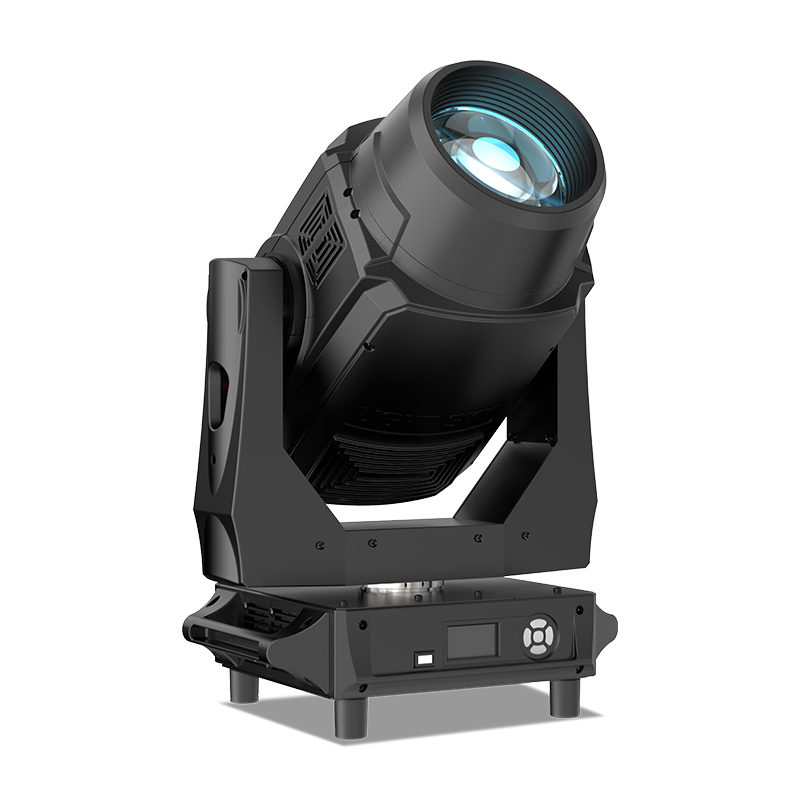
When yuh plan a show, the first thing a crowd feel ain’t just sound — it’s space, motion, an’ depth. This is where moving head light fixtures step in. Engineers an’ designers reach for units like the 3in1 BSW moving head beam light and other moving stage lights because dem give control over beam angle, color mix, an’ motion in one compact head. For a festival stage or a small club, responsive pan/tilt and crisp LED engine output let yuh shape attention without rearrangin’ the set.

What changes for the audience and the crew
From a patron’s seat, moving lights add storytelling. A focused beam cuts through haze to carve silhouettes; a gobo patterns the floor an’ shifts mood. For the crew, the same fixture simplifies rigging — fewer truss points, less cabling, and predictable DMX addressing. Real-world anchor: you see this at big outdoor shows like Coachella where fixtures follow performers an’ create moments that feel both intimate and massive. That practical efficiency matters when load-ins are tight an’ turnaround times short.
How to pick fixtures that serve your goals
Start with what yuh want to do on stage. If yuh need long-range beams for arena rigs, pick a head with narrow beam angles and strong luminance. For corporate events, prioritize smooth color temperature blending an’ quiet fans. Consider these quick checks —
– Output (lumens) relative to venue size and haze level.
– Motion control: fine pan/tilt resolution an’ reliable DMX latency.
– Optics: zoom range and available gobos for texture.
These choices make a practical difference when time an’ budget tight; small decisions here change the entire visual story.
Common mistakes crews make — and how to avoid dem
Crews often overcomplicate programming or underutilize fixtures. They cluster identical profiles on the same cue or give every head the same movement pattern — that flattens the picture. Keep diversity in gobo selection an’ motion timing. Calibrate pan/tilt limits so heads don’t hunt at extremes. — Also, don’t ignore heat management; overrunning duty cycles shortens LED life.
Operational teardown: setup tips that actually work
When we rig moving head light fixtures live, we start with a simplified DMX map, reserve a spare universe for media servers, an’ test intensity curves before show day. Use a walk-through of cues in blackout to check sightlines. If you run a hybrid show with video, align beam positions to avoid clashes with projection zones. Documenting pan/tilt presets saves time during changeover.
Comparing alternatives in real terms
There’s always choices: static wash fixtures, automated profile spots, or full moving heads. Static wash lights save on moving parts but cost you directional drama. Automated profiles give sharper gobos yet often lack wide zoom. Moving heads — when yuh pick a flexible model — balance zoom, gobo options, an’ color mixing in one tool, so fewer fixtures do more. Practical tradeoffs beat hype every time.
Three golden rules for choosing lights
1) Match output to venue acoustics and sightlines — prioritize beam intensity for open-air and even spread for theatres.
2) Demand motion resolution and reliable DMX timing — poor response ruins tight cue stacks.
3) Factor lifecycle costs: heat management, replaceable LED modules, an’ parts availability.
Closing thoughts
Pick wisely and moving stage lights will shape crowd focus, reduce rigging complexity, an’ give designers expressive tools. These measures show up in faster load-ins, cleaner cues, and richer audience memories. Light Sky offers kit that matches those needs — reliable fixtures, clear specs, an’ service that helps when time short. Final word: trust practical performance over flashy claims — mi know the rigs, an’ mi stand by the results. —