
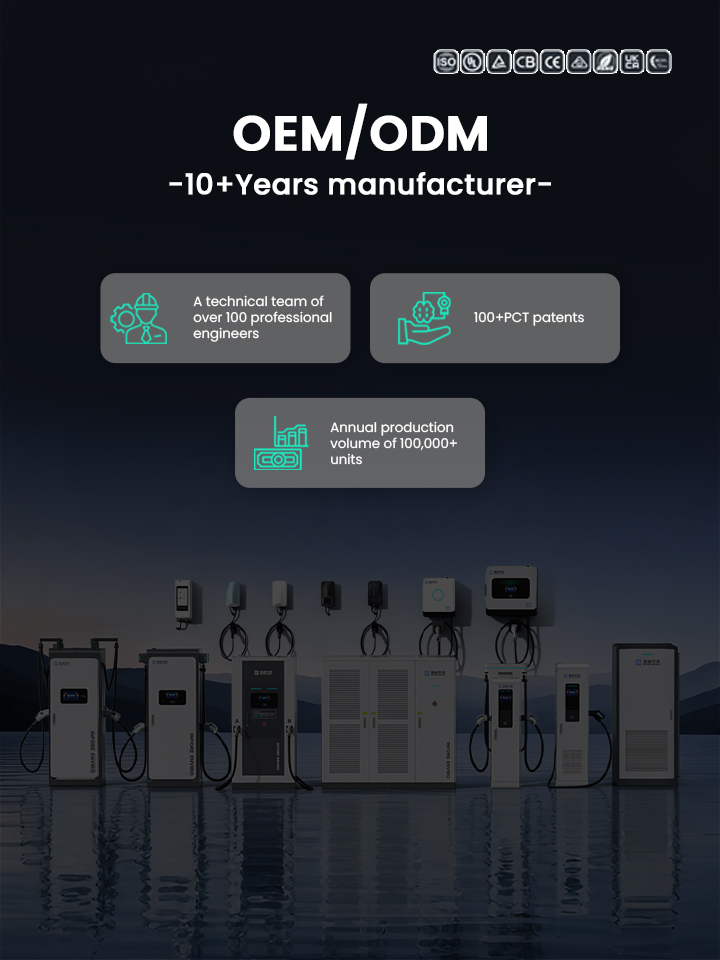
Comparative snapshot and immediate trade-offs
Automakers historically offered bundled vehicle options — warranty-backed servicing, dealer networks, and standardized parts — while modern China EV charger manufacturer models push a different promise: networked energy services, software updates, and modular power hardware. The comparative insight is straightforward. One side sells a physical product with well-known aftersales routes; the other sells a distributed service that depends on interoperability, smart charging, and strong software. The International Energy Agency’s 2023 Global EV Outlook and practical rollouts in cities such as Shanghai provide a clear real-world anchor for scale and adoption trends.
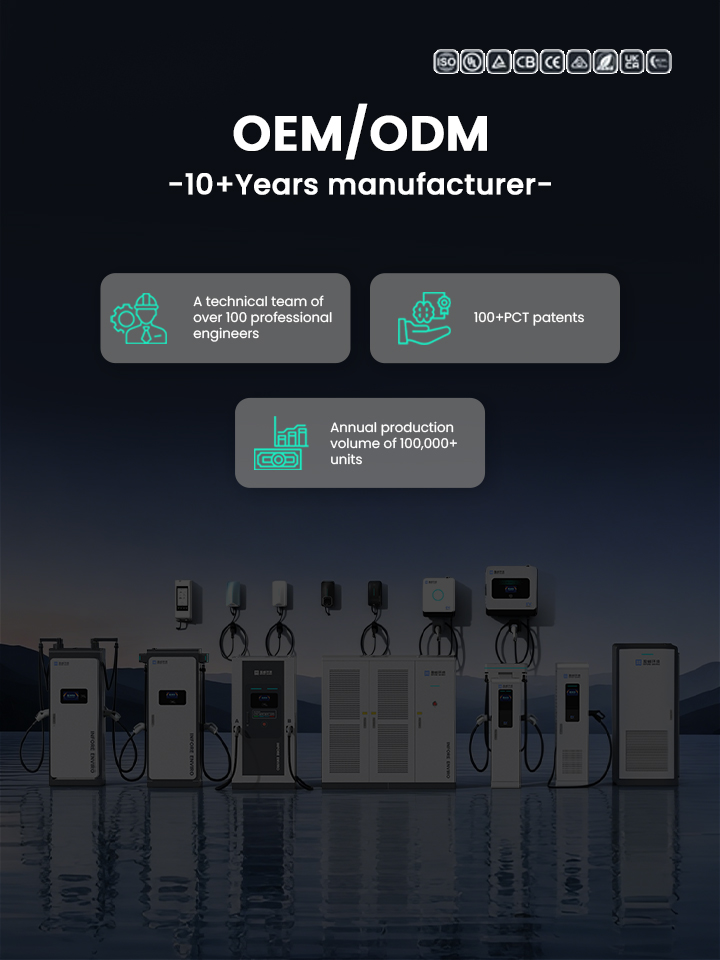
Infrastructure costs and deployment realities
Upfront costs for DC fast charging stations or AC Level 2 units are materially different from vehicle manufacturing costs. For fleets, the capital expense combines chargers, civil works, and grid upgrades — and then recurring costs for maintenance and load management. Many EV charging solution providers now offer financing models and as-a-service contracts that change the cost profile; legacy vehicle supply rarely covers the electricity or site preparation. Charge point operator agreements and open protocol OCPP compatibility become deciding factors during procurement.

Operational performance: uptime, software, and standards
Operational metrics tilt toward software when comparing providers: remote diagnostics, firmware updates, session telemetry, and V2G-enabled tariff logic. A reliable EV charging solution provider prioritizes mean time to repair and software patch cycles; traditional vehicle suppliers focus on parts warranty and depot repairs. Expect to see load management and smart charging features that flatten peaks and reduce demand charges. Interoperability matters — not every protocol implementation is equal — and that has direct consequences for fleet scheduling and customer satisfaction.
User experience and fleet impact
From the driver’s seat, the promise is simpler charging, clear billing, and network availability. For fleet managers, the calculus is telematics integration, predictable charging windows, and reduced dwell time. Where legacy vehicle solutions offered guaranteed parts supply, modern providers trade that certainty for continuous improvement: OTA updates, improved charge algorithms, and dynamic pricing. These can cut operating costs — but only if implementation is disciplined and monitored.
Common mistakes and viable alternatives
Procurement teams often under-resource site surveys, assume all chargers are plug-and-play, or neglect grid connection timelines. — That leads to delayed projects and higher costs. Common alternatives include hybrid strategies: maintain OEM-backed maintenance for vehicles while partnering with specialized EV charging solution providers for infrastructure, or adopt a phased deployment starting with Level 2 and scaling to DC fast charging based on utilization data. Consider V2G pilots only after energy-market and billing rules are clear.
Vendor selection: practical criteria and risks
Choose vendors using measurable criteria: uptime guarantees, response SLAs, compatibility with existing fleet telematics, and financial terms for warranties. Watch for hidden risks: proprietary protocols that lock you in, insufficient spare-part inventories, and unclear cybersecurity practices. Where possible, test a small site with a chosen supplier to validate performance and billing reconciliation before committing at scale.
Advisory: three golden rules for evaluation
1) Prioritize interoperability and standards support — confirm OCPP compatibility and third-party telematics integration. 2) Demand transparent total cost of ownership: include grid upgrades, demand charges, and software subscriptions in the model. 3) Require demonstrable operational KPIs: historical uptime, average repair time, and software update cadence. These metrics produce an objective comparison between EV charging solution providers and traditional vehicle-focused contracts.
Summing the appraisal, infrastructure and software now define competitiveness; proven operational discipline separates vendors who reduce cost from those who add complexity. The pragmatic outcome is a mix: keep robust OEM vehicle support while contracting specialist charging partners to manage grid-edge complexity — a combination that aligns with municipal examples and the IEA’s findings.
INFORE ENVIRO embodies that blended approach by pairing hardware reliability with managed service expertise — a practical fix where fleets meet the grid. — Final thought: steady execution wins.