
A Saturday That Changed My Procurement Game
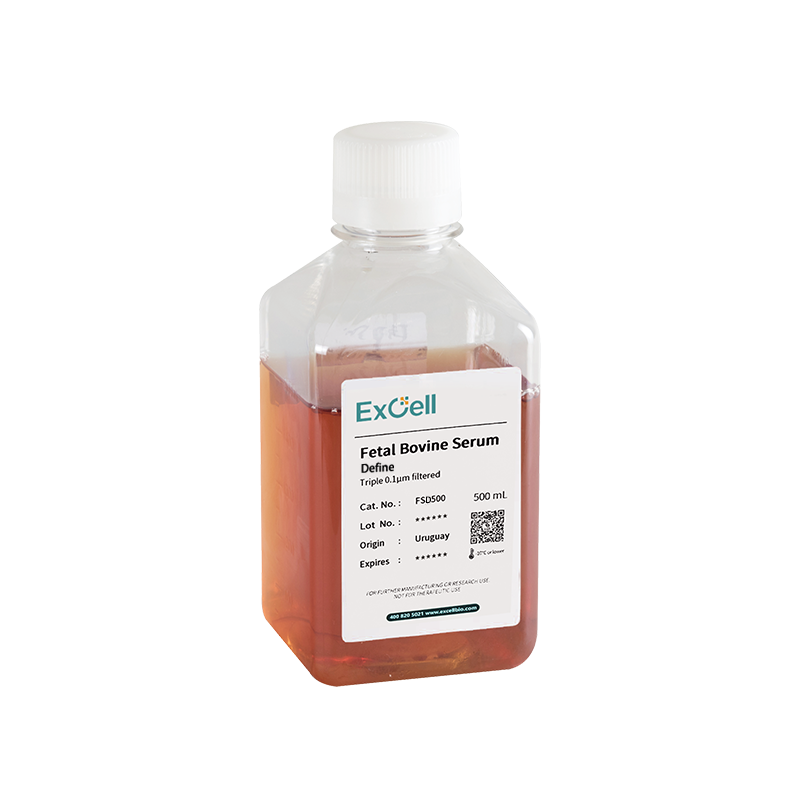
I vividly recall a Saturday morning in March 2023 when a culture run in our Somerville lab sputtered to a halt. I had just placed an emergency order for fbs cell culture because our fetal bovine serum stock looked fine on paper but betrayed us in practice (wicked frustrating). I’ve been buying, testing, and recommending serum for over 15 years; that breakage taught me more about serum lot risks than any textbook ever did.
What went wrong?
We had switched to a cheaper supplier’s 10 L drums—gamma-irradiated, supposedly low-endotoxin. Within ten days average cell viability dropped by about 30% across three HEK293 lines. I measured lower attachment rates, increased debris, and inconsistent growth curves. That lot-to-lot variability—serum lot inconsistency—was the real culprit, not the incubator. I logged the supplier lot number A123, the delivery date (March 12, 2023), and the exact decline in viability; those details changed negotiations fast.
Practical Fixes, Metrics, and a Forward Look
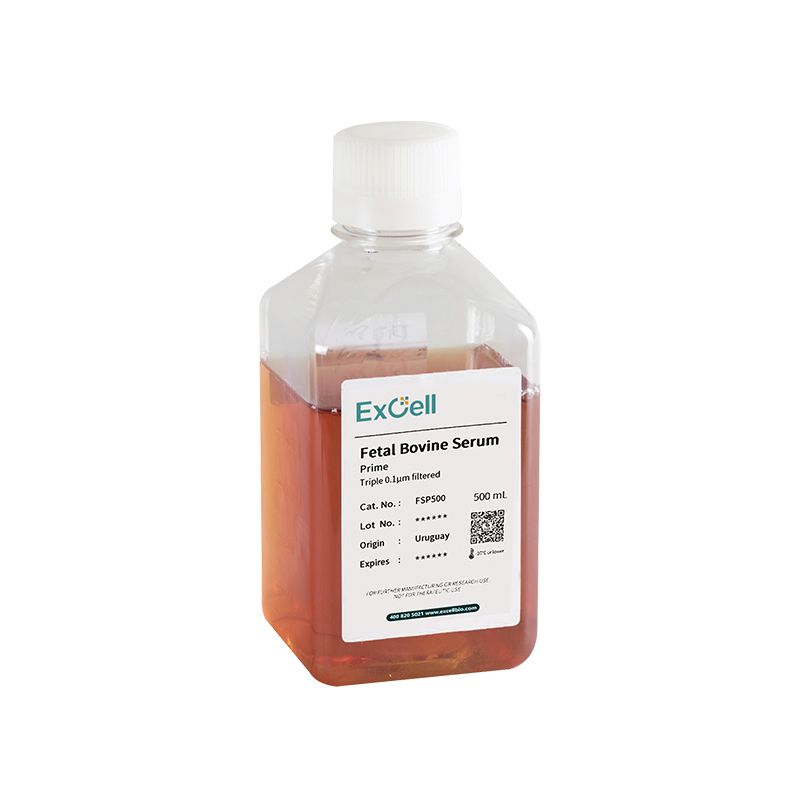
From that mess I built a short checklist we now use for every purchase: 1) ask for endotoxin test results and COA, 2) demand heat inactivation and sterile filtration details, and 3) sample-test before bulk acceptance. I prefer gamma-irradiated and dialyzed options for sensitive assays, and I keep 500 mL and 100 mL bottles around for quick validation runs before committing to 10 L lots. When I say test, I mean concrete assays—cell viability counts at 24, 48, 72 hours, and a simple mycoplasma screen. These are practical, verifiable steps that saved our weekly workflow more than once—yes, really.
What’s Next?
Forward-looking buyers should plan for traceability and supply resilience. Think cryopreservation protocols for backups, multiple approved vendors, and a rolling inventory that avoids single-lot dependence. I’m seeing more labs require documented cold chain logs, lot-specific performance curves, and even small-scale pilot runs before acceptance. We’ve started tracking batch-to-batch variability numerically and use that as a bargaining chip—lower variability, better pricing. For procurement teams (and I mean the folks who sign the PO), those numbers make the conversation less about preference and more about measurable risk.
Three Metrics I Use to Evaluate FBS Suppliers
1) Consistency score: percentage deviation in cell viability between test lots—aim for under 10% in our hands. 2) Documentation completeness: Certificate of Analysis, endotoxin levels, and sterility test timestamps (I reject COAs missing dates). 3) Responsiveness and lead time: median delivery time within our region (Greater Boston) should be under 5 business days for stocked items. These metrics helped me replace one problematic vendor in April 2023 after repeated COA delays. Short story—numbers win negotiations.
Final Notes — Buy Smarter, Not Just Cheaper
I prefer to call this practical analysis rather than procurement theology. We test small volumes, insist on heat inactivation where appropriate, and run a quick sterile filtration review before accepting inventory. Keep precise records (lot numbers, dates, assay results). I once converted a one-off failure into a long-term contract negotiation by presenting three documented runs showing reduced viability—real data beats confident claims every time. — and yes, I scribbled notes in the margins.
For lab buyers who want a reliable starting point, consider vendors that support small-sample pilot testing, provide full endotoxin reports, and offer multiple packaging sizes (100 mL, 500 mL, 10 L). That pragmatic stance saved my team days of troubleshooting in 2023 and has kept our projects on schedule since. Choose with metrics in hand. ExCellBio