
Introduction — a quick scene, then the numbers
I was in a dusty shop last month, watching a kid run a shift like a DJ on the decks — smooth hands, sick timing. The next sentence: double spindle CNC machine sits center stage in many modern shops now, doing two jobs at once so operators can chill or tackle other work. Data shows multi-spindle setups can cut cycle time by 30–60% on common parts (yeah, real figures from inline tests). So here’s the question — how do you pull an upgrade without wrecking shop flow or pissing off the crew?
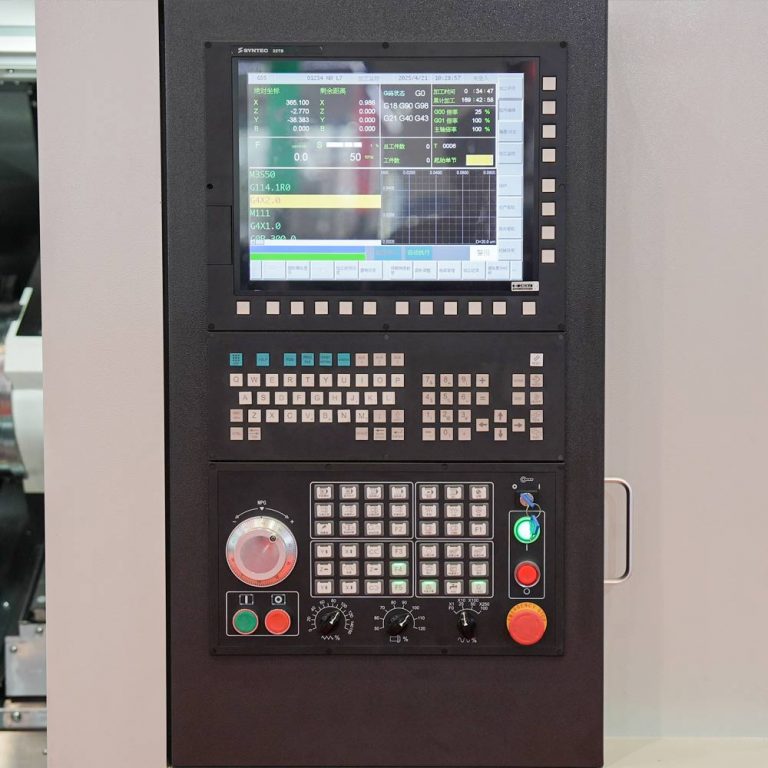
I’m asking because I’ve seen both sides: big wins and messy rollouts. I want to talk about practical steps, not vaporware promises. Keep that beat—next up we dig into where old fixes actually fail and why people still trip up on the basics.
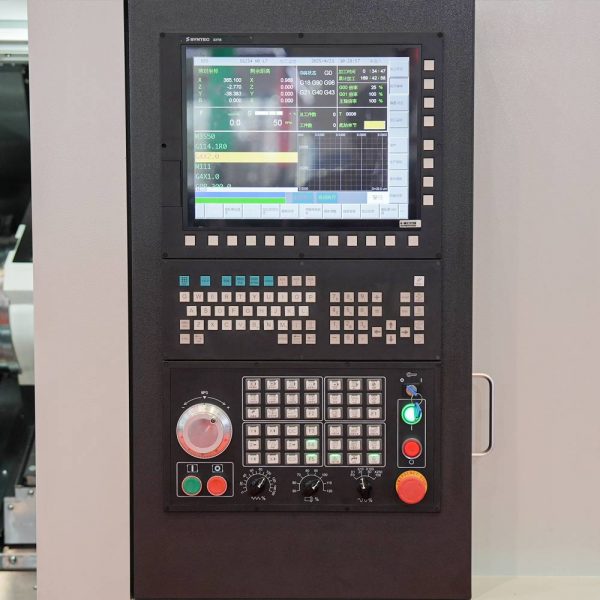
Unseen Friction: Why Old Fixes Miss the Mark
When we talk about a double spindle lathe, people often focus on throughput and tool life. But I’ve learned the hard way that throughput alone doesn’t pay the bills. The old quick-fix playbook — slap on faster spindles, tweak spindle speed, and call it an upgrade — misses control-layer problems and human factors. Machines will go faster. Control loops will fight. Operators get nervous. That’s where hidden costs creep in.
Where does it actually break?
Two big issues I keep seeing: synchronization and setup complexity. Synchronization goes beyond matching spindle speed. It includes feed rate sync, tool change timing, and the servo turret logic coordinating both spindles. If you don’t solve that, you get chatter, scrap, and downtime. Then there’s setup complexity — more tools, more offsets, more chance for human error. Look, it’s simpler than you think to design a process that humans can follow. We can add edge computing nodes to monitor sync in real time. We can swap power converters that stabilize voltage during heavy cuts. Do those things and you cut surprises. I’d rather optimize for predictable output than chase theoretical peak RPMs.
Looking Ahead: Case Examples and the Roadmap
I want to switch gears and walk through a real path forward. A mid-size shop I worked with kept losing time during batch changeover. We tested a phased approach: first standardize fixtures and tooling, then add inline probing, and finally bring in the double-spindle setup from a trusted cnc turning manufacturer — staged, logged, and communicated. The result? Setup time dropped by nearly half and first-pass yield rose. It wasn’t magic. It was methodical. — funny how that works, right?
What’s Next
So what should you measure before you buy? Here are three metrics I always push: 1) Effective cycle-time improvement on a real part (not ideal numbers); 2) Changeover time under real shift conditions; 3) Recovery time after a fault (how fast can the cell come back online?). Those give you a real sense of ROI. Also consider serviceability and the learning curve for your crew. I still prefer machines with clear diagnostics and accessible parts — less guesswork, less late-night calls.
To wrap up: pick upgrades that reduce human stress and increase predictable throughput. I’ve seen shops double capacity without chaos when they plan around people and controls — not just peak specs. If you want a place to start, look at vendors that back their machines with solid training and diagnostics. For me, that’s why I recommend checking brands like Leichman.