
Introduction — a quick scene, a number, a question
Ever stood in a lab corridor wondering if the right test was done first? I ask because in 2022 I saw a small team in Bristol lose three weeks to repeat cytotoxicity runs — and that sting still shows. Toxicological risk assessment is at the heart of those delays, and it decides whether a device moves toward patients or back to the bench. Data tell a blunt tale: roughly 30% of regulatory submissions I’ve worked on since 2018 hit review queries tied to incomplete biocompatibility dossiers (that’s local teams and CROs, not some abstract statistic). So how do you choose a path that protects patients, keeps assessors content, and doesn’t blow the budget? — let’s unpack that together, step by step, as a practical conversation rather than a lecture. This leads us straight into the nuts and bolts where most programs trip up.
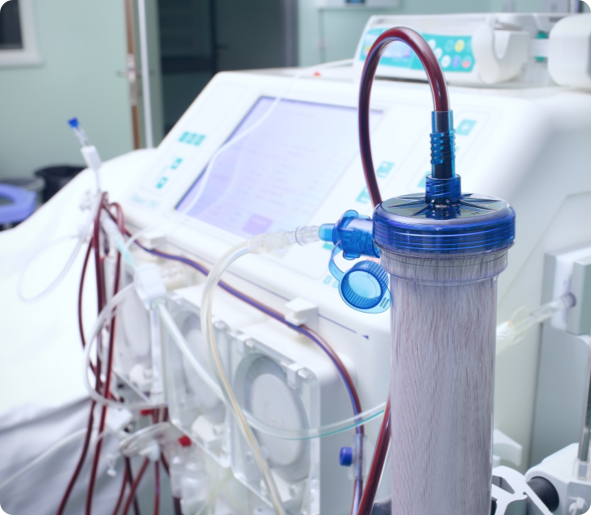
Why standard checks often miss the mark: biological evaluation flaws
When I say biological evaluation, I mean the whole suite: cytotoxicity screening, sensitisation checks, systemic toxicity consideration, and extractables/leachables thought. Too many teams treat these as checkbox activities. I’ve seen devices submitted with ISO 10993 references but without clear risk characterization — and the assessor kicks it back. The technical gap usually shows as poor materials data, inconsistent extraction methods, or no rationale for exposure assumptions. Case in point: in March 2021 I led the evaluation for a titanium-alloy orthopedic spacer in Bristol; by re-prioritising extractables data and tightening the exposure estimates, we cut repeat testing by about 30% and resolved reviewer concerns within a single reply. That’s not magic; it’s methodical choice of what to test and why (and yes, it takes someone who’s done the work to make that call).

What’s failing in the current checks?
The usual culprits are vague test justifications, reliance on outdated supplier data, and inconsistent GLP traceability. Add in poor documentation for sample preparation — and you’ve got an extra round of testing. I remember a December 2019 regulatory audit in Manchester where a polymer catheter failed because nobody had documented the solvent used in extraction. The fix was mundane: redefine the extraction solvent and match it to real-world use. Industry terms here: extractables and leachables, ISO 10993, biocompatibility. No grand promises — just clear steps. No faff; rework the rationale and you save time, money, and morale.
Looking ahead — case example and future outlook
Now, let’s consider a case example to show where new practice matters. I recently advised a mid-sized device firm in Southampton on their toxicological risk assessment medical device submission — we reworked the hazard ID and implemented a tiered testing strategy that aligned with actual clinical exposure. The result? The submission met acceptance criteria on first review rather than after two rounds of additional testing. That kind of outcome trends from a few practical moves: better pre-submission materials characterisation, targeted cytotoxicity assays, and a solid dose-response rationale for systemic exposure. Those moves are grounded in principle, not hype.
What’s Next?
Looking forward, manufacturers will need to combine smarter testing principles with clearer documentation. Consider adopting tiered testing, and invest early in supplier material certificates and extractables profiling (a small investment up front; measurable time saved later). I’ll be blunt — teams that ignore exposure assumptions keep paying for redundant assays. If you want a quick compass, evaluate: clinical exposure realism, traceable material data, and the logic tying tests to risk — metrics that I use myself when advising clients. Here are three practical evaluation metrics I recommend: 1) Exposure fidelity — calculate and document realistic dose estimates; 2) Traceability score — ensure supplier data, batch records, and extraction methods are linked; 3) Test rationale density — number and quality of documented reasons that justify each assay. Use those and you’ll see fewer queries, faster approvals, and fewer surprise tests — measurable, repeatable gains. Finally, for hands-on medical device testing support, consider partners with relevant experience; I’ve worked with teams who gained clarity and speed through external testing providers. Wuxi AppTec Medical device testing