
Introduction — a quick scene, some numbers, and a question
I was in a shop on a rainy Tuesday, watching a tired lathe cough through the same part for the third hour — the crew were fed up and so was I. CNC lathe manufacturers get the blame a lot (and sometimes rightly) when downtime eats profit; many small shops I visit mention three to five hours of unexpected stoppage each week. If you fancy a rough number: that’s often 5–10% of productive time lost for a simple turning job. So, what do we do about it — replace the whole setup, patch the controls, or change the way we pick suppliers?
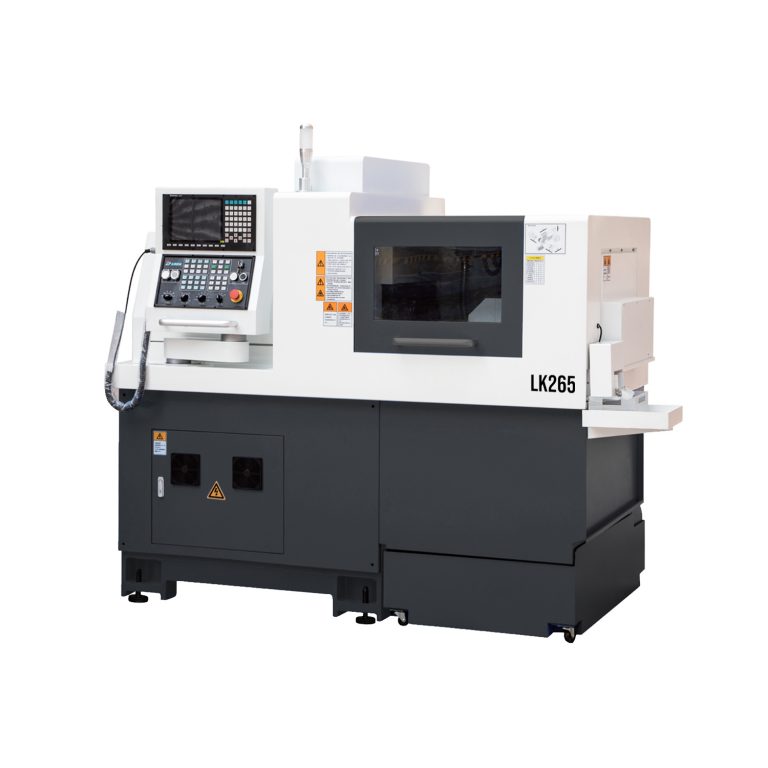
I’ll be direct: choosing a supplier isn’t about the fanciest spec sheet. It’s about the realities on the floor, the support after delivery, and whether the machine actually fits your workflow. In my experience, plain talk and practical checks beat glossy brochures every time. (She’ll be right only goes so far.) Next up, I’ll break down where the usual choices trip us up — so you can spot the red flags before they cost you time and cash.
Traditional Solution Flaws — a closer, technical look at the pain
When I dig into why a shop struggles, I often point them to the machine itself first — take the cnc automatic lathe you’re considering and don’t let specs blind you. Too many vendors sell raw horsepower and spindle speed numbers as if that solves everything. It doesn’t. The real problems hide in the control integration, chip management, and tooling systems. For example, an overly complex tool changer can add cycle time and cause mis-picks that wreck batches. Look, it’s simpler than you think — reliability beats headline speed most days.
Let me be blunt: common fixes like swapping controllers or adding a software patch usually only mask the issue. Shops often overlook the basics — poor alignment, weak spindle bearings, or mismatched servo motors — and then chase expensive automation to compensate. I’ve seen installations where power converters weren’t sized correctly, creating intermittent faults. A couple of industry terms to watch for: G-code compatibility, spindle load variation, and turret indexing. If those aren’t squared away, no amount of remote monitoring or edge computing nodes will stop repeat failures. Why? Because the physical interfaces and maintenance habits still have to match the machine’s design. So we start with the mechanical truth, then layer the tech on top.
Why do these flaws persist?
Mostly because decisions are too often made on price or brand alone. I push teams to ask: who will support us in week two and week 200? If the answer is vague, that’s a problem. Small things matter — how easy is it to replace a feed screw, can an electrician source the drive locally, does the supplier understand your part mix? These are the questions that separate a machine that lives in your shop from one that merely sits there.
Future Outlook — case examples and what to watch next
I want to share a short case: a medium-sized job shop swapped to a model from alternative suppliers of manufacturers of cnc lathe after repeated control glitches. They reworked their tool path strategies, simplified their fixture kit, and trained two techs in-house to handle routine alignments. Within three months, scrap fell by nearly 30% and the machine’s mean time between failures went up noticeably. The lesson? Small, focused changes plus a supportive supplier beat radical overhauls more often than not — and yes, the upfront effort paid off. — funny how that works, right?
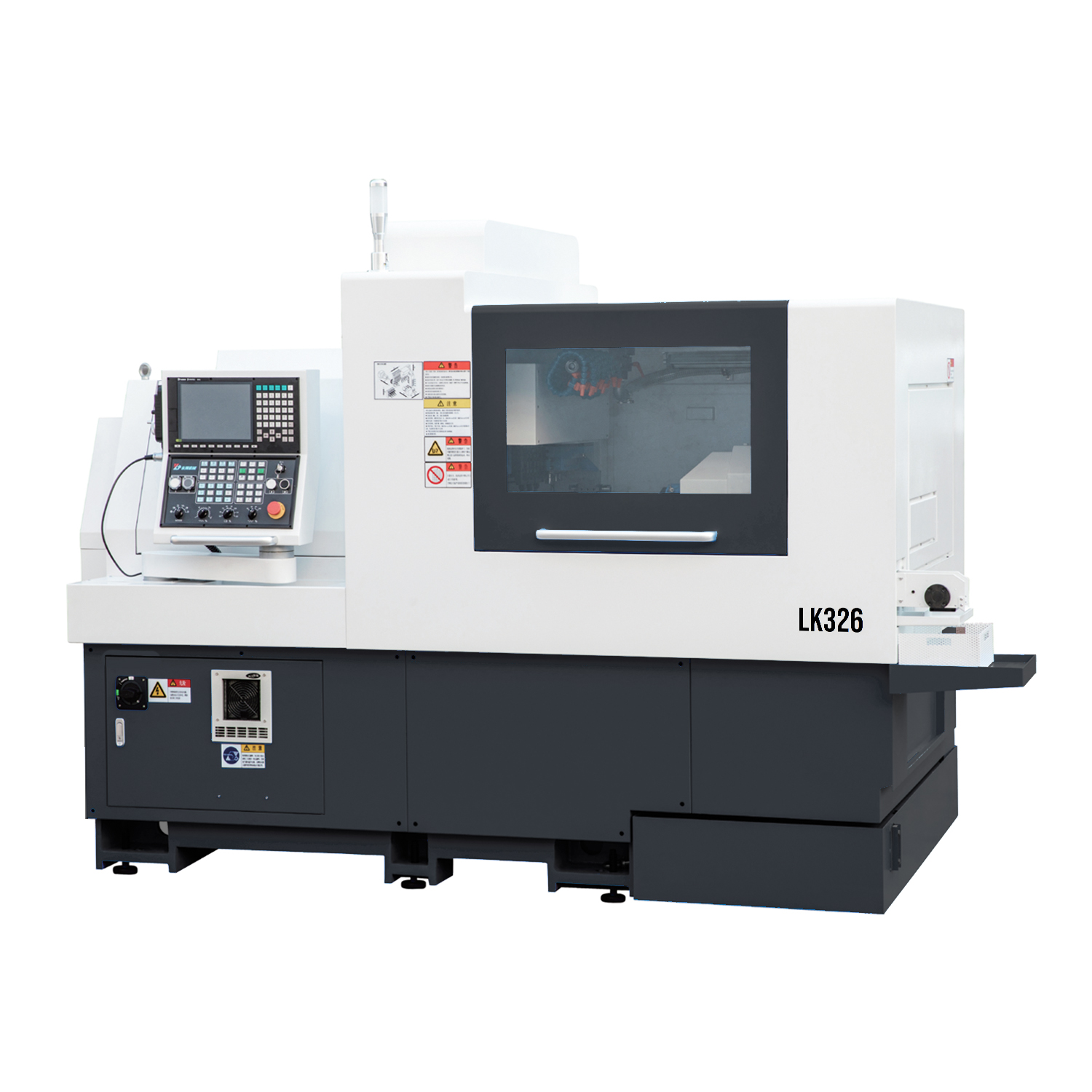
Looking forward, I expect suppliers to push smarter diagnostics and modular components. But I also think shops will reward accessibility: easy parts, clear manuals, and local spares. If you’re evaluating options, consider how a supplier helps you tweak G-code, whether their spindle warranties are straightforward, and if their chip conveyor solutions match your materials. Real-world impact comes from matching tech to tasks, not shoehorning tasks to tech. — and I’m telling you this from hands-on experience.
What should you measure?
Here are three key evaluation metrics I use and recommend: 1) True uptime after the first six months (not vendor promises), 2) Mean time to repair with local parts, and 3) Net cycle time for your most common part family. Use those to compare proposals side-by-side. I’ve walked through each of these with teams, and they cut through marketing claims like a lathe through brass.
If you want a sensible partner who understands the trade-offs and keeps things practical, take a look at Leichman. I’d trust them to answer the hard questions — and so should you.